AC Electrical Repair - Capacitor, Contactor, and Hard-Start Kit Replacement
Power issues are one of the most common reasons an AC system suddenly stops working. The unit might be getting power at the disconnect, but something inside the electrical compartment has failed. That's exactly what we were dealing with here - a system that had multiple worn-out components all working against each other.
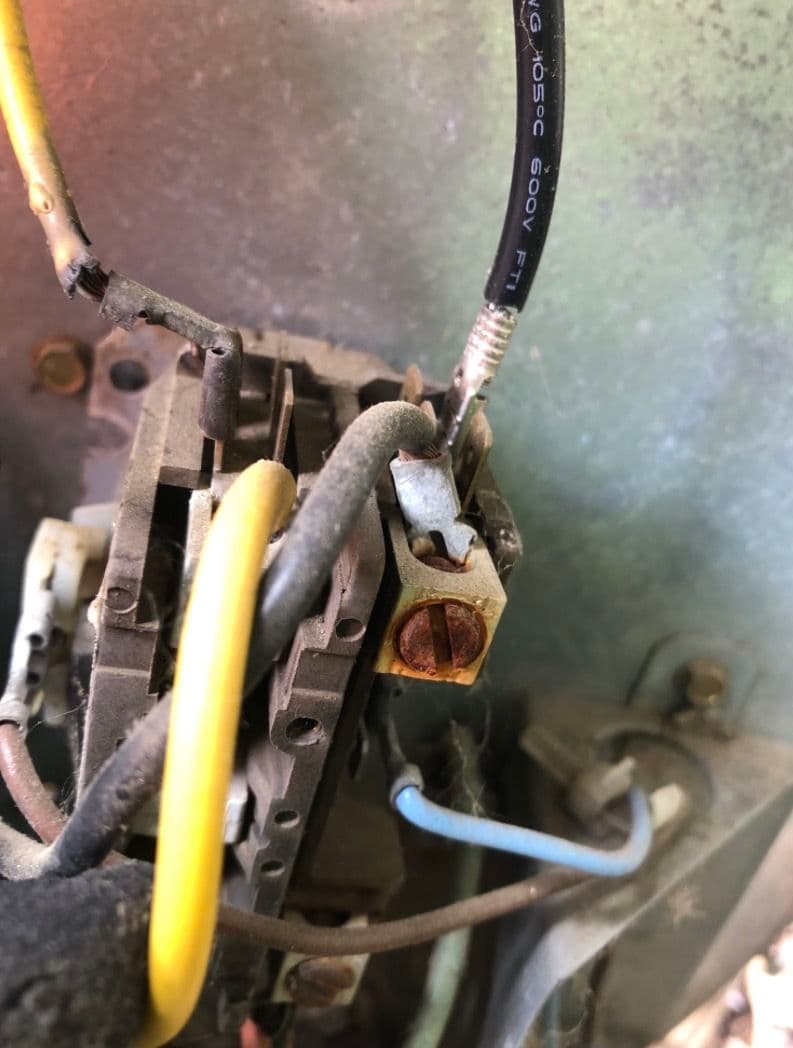
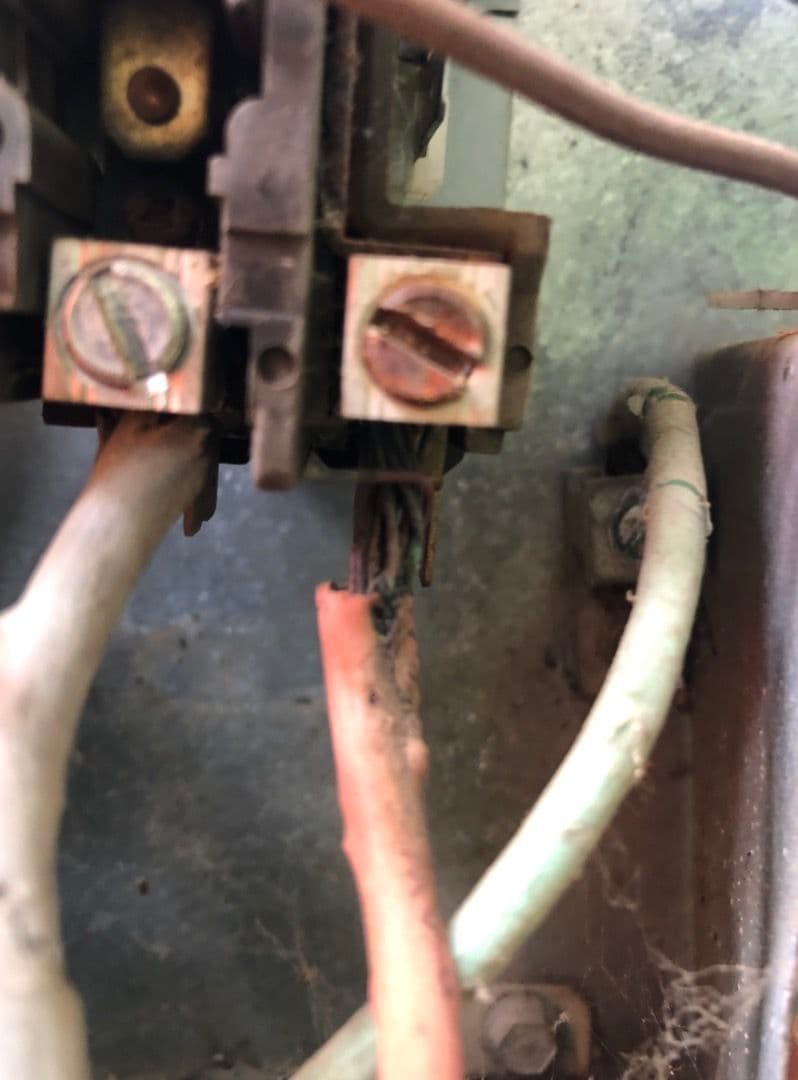
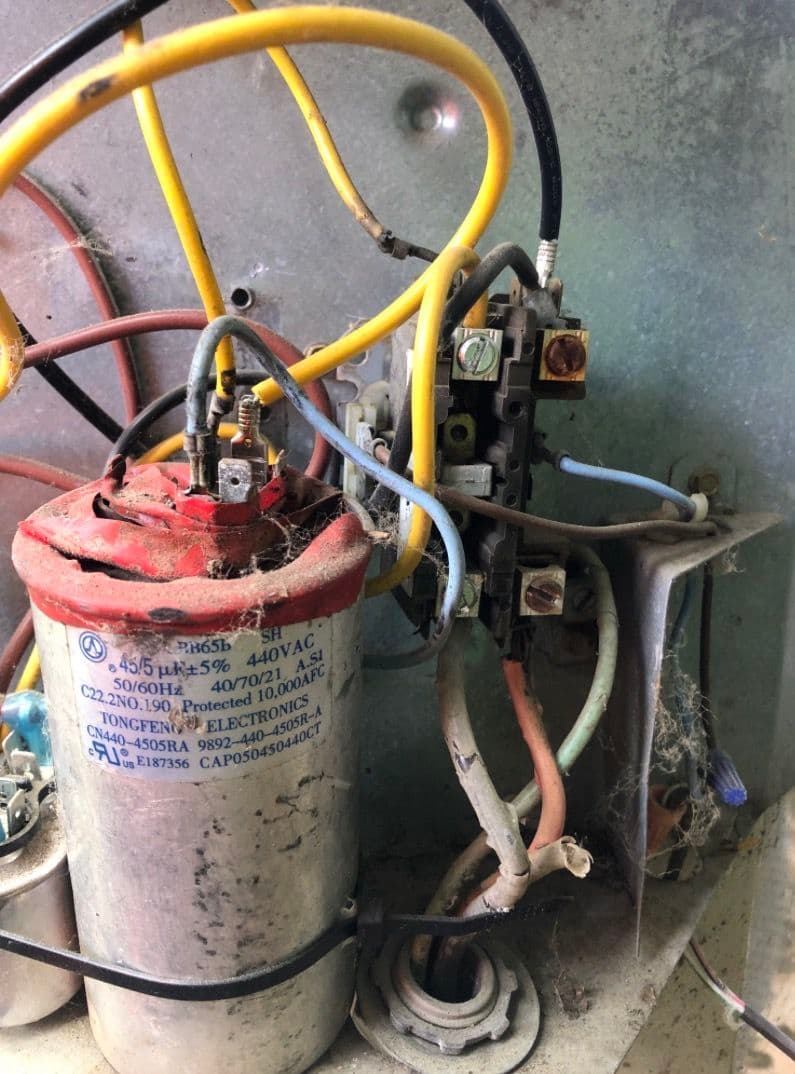
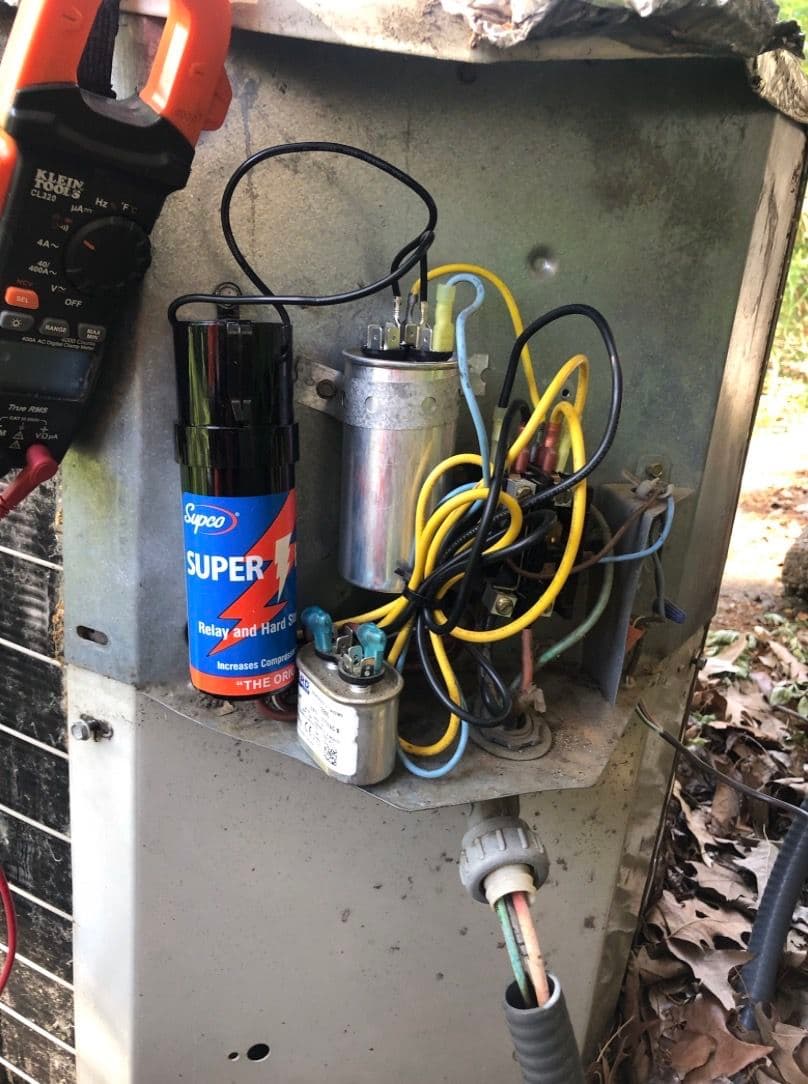
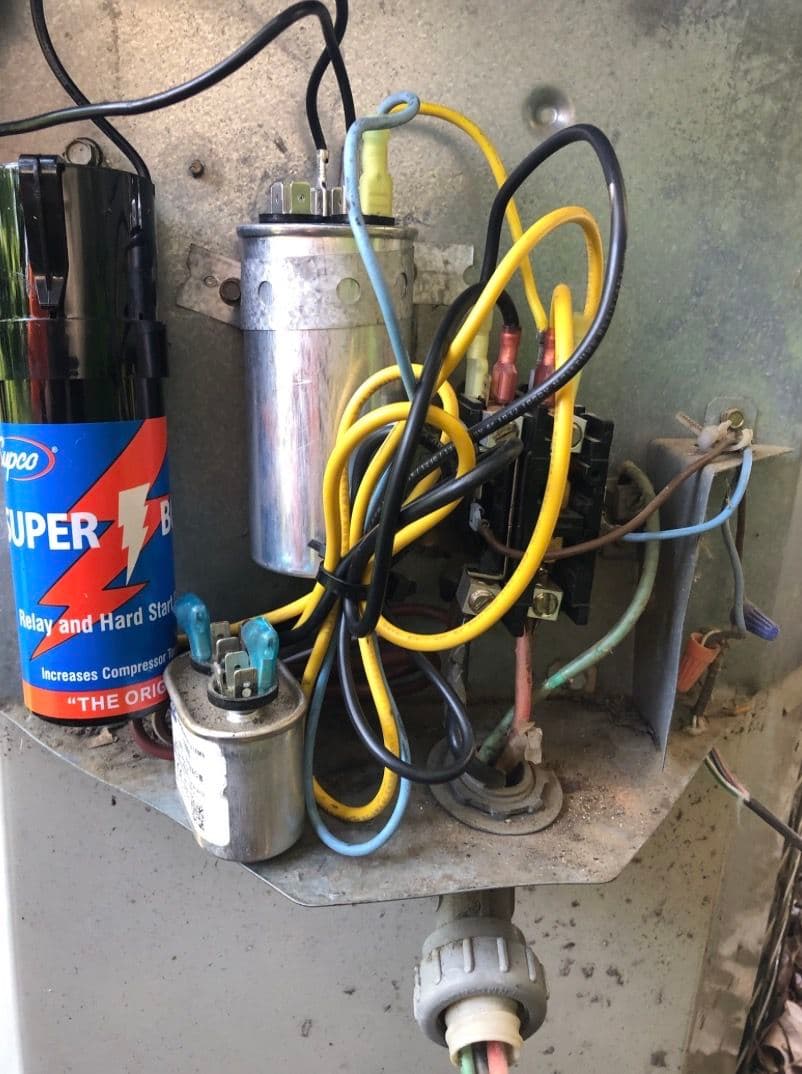
The old capacitor was in rough shape. Dust, corrosion, and years of heat cycles had taken their toll. The contactor wasn't much better - the terminals were heavily oxidized and the wiring showed real wear. On top of that, the high-voltage wiring needed attention. Any one of those issues alone can kill a system. All of them together? The unit didn't stand a chance of running reliably.
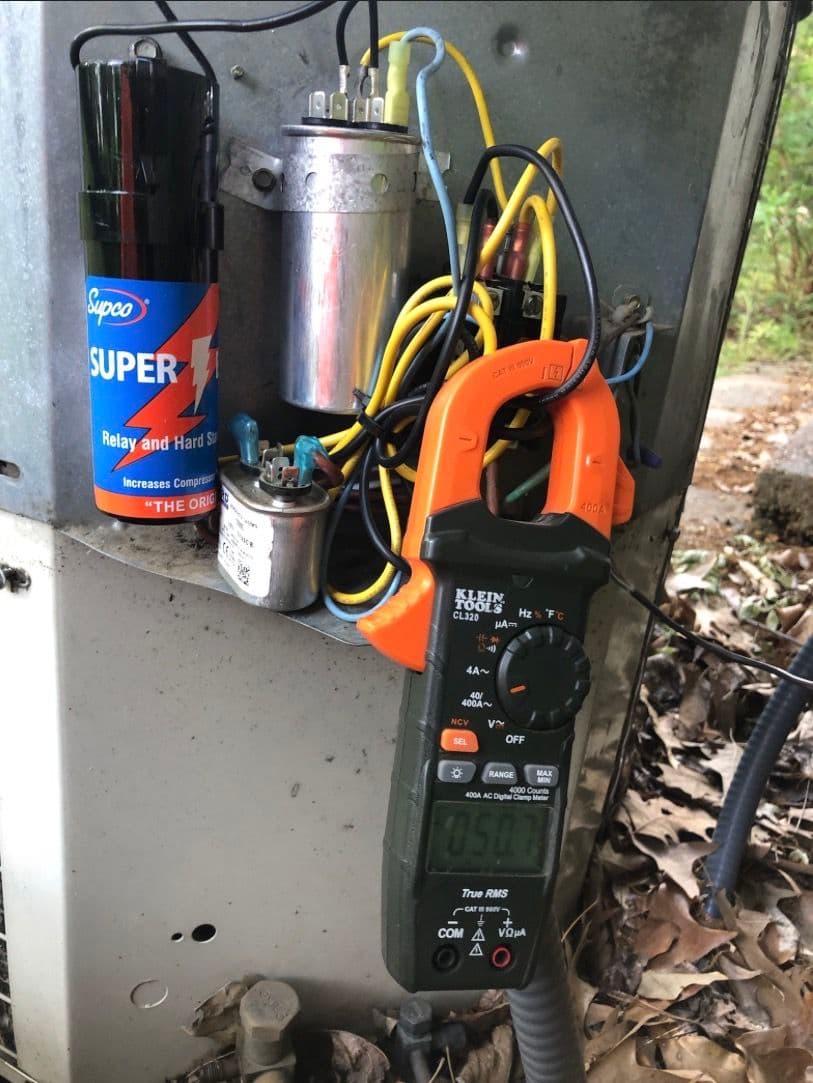
We replaced the capacitor, swapped out the contactor, repaired the high-voltage wiring, and installed a Supco Super Boost hard-start kit. That hard-start kit is worth talking about for a second. It gives the compressor an extra jolt of power at startup, which reduces strain on the motor and helps the system fire up more consistently - especially on older units that are working harder than they used to.
This is the kind of job that shows why routine HVAC system diagnostics matter. Most of these parts don't fail overnight. They degrade slowly, and by the time the system stops working, there's usually a handful of issues that built up over time. Catching them early - before a full breakdown - saves money and keeps you from dealing with a no-AC situation on the hottest day of the year.
We use a Klein Tools CL320 clamp meter to verify current draw and make sure everything is reading correctly after the repair. It's not enough to just swap parts - we want confirmed readings before we call a job done. That's the standard we hold ourselves to on every call.