A Failed Dual Capacitor Was the Reason This AC Stopped Keeping Up
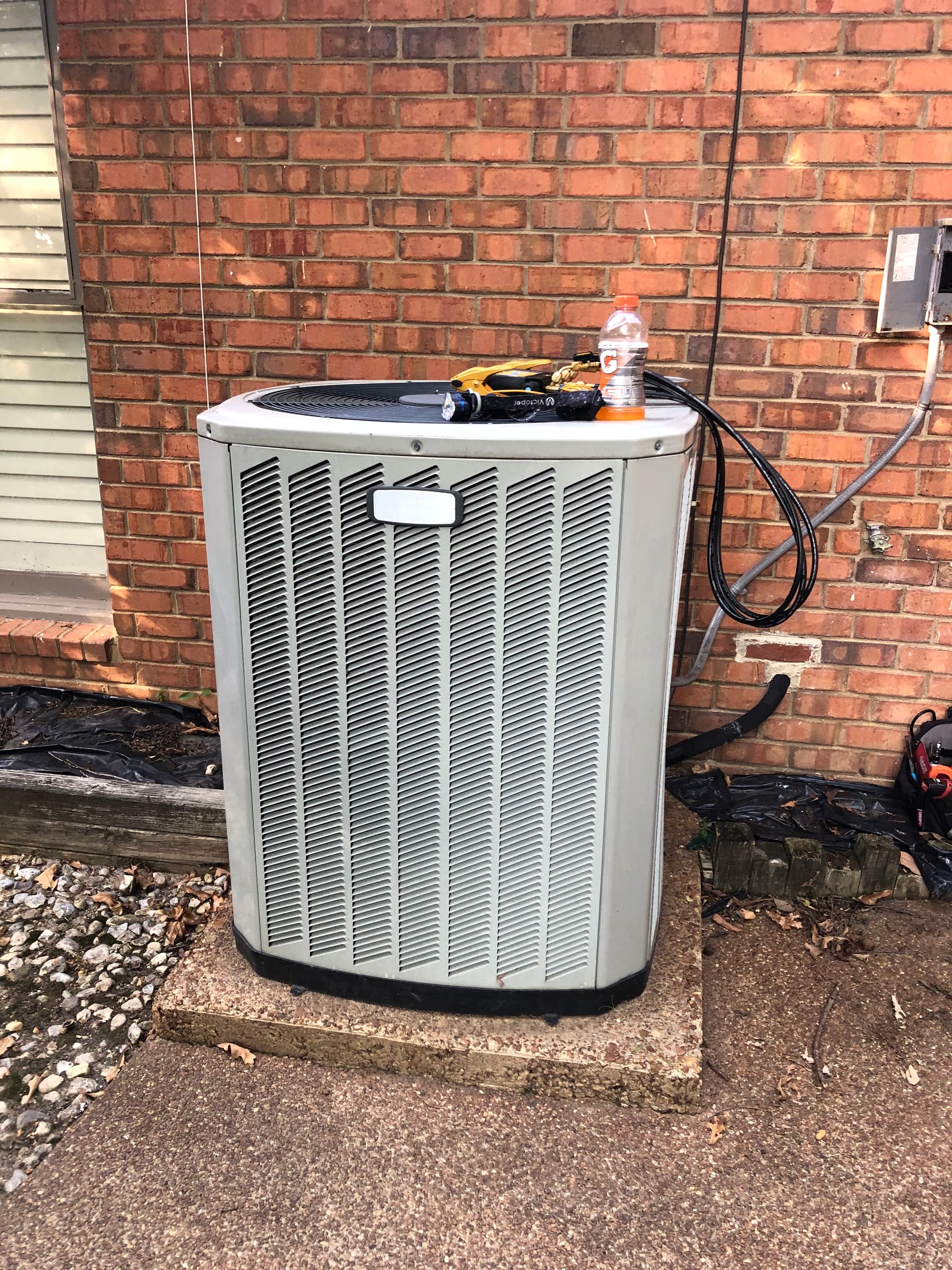
When an AC unit stops keeping up with the heat, most homeowners assume the worst - refrigerant leak, compressor failure, full system replacement. But a lot of the time, the culprit is something much smaller. A failed dual capacitor is one of the most common reasons a unit struggles to cool or stops running altogether.
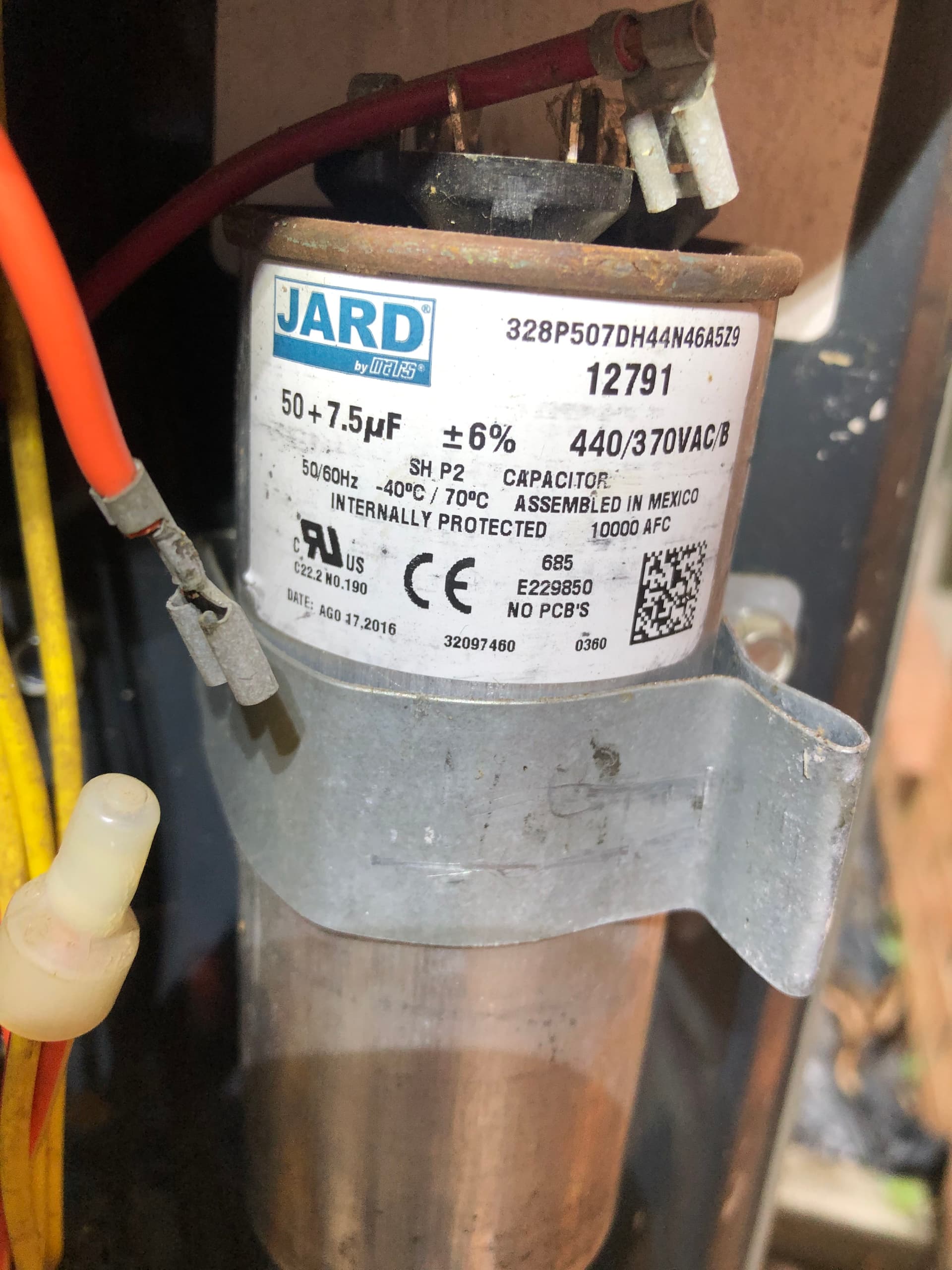
Here's how it works. The dual capacitor does two jobs at once - it helps start the compressor and keeps the condenser fan motor running. When it fails, one or both of those components can't do their job. The system might short-cycle, run constantly without cooling, or just shut down. From the outside, it can look like a major problem. Inside the unit, it's often a single worn-out part.
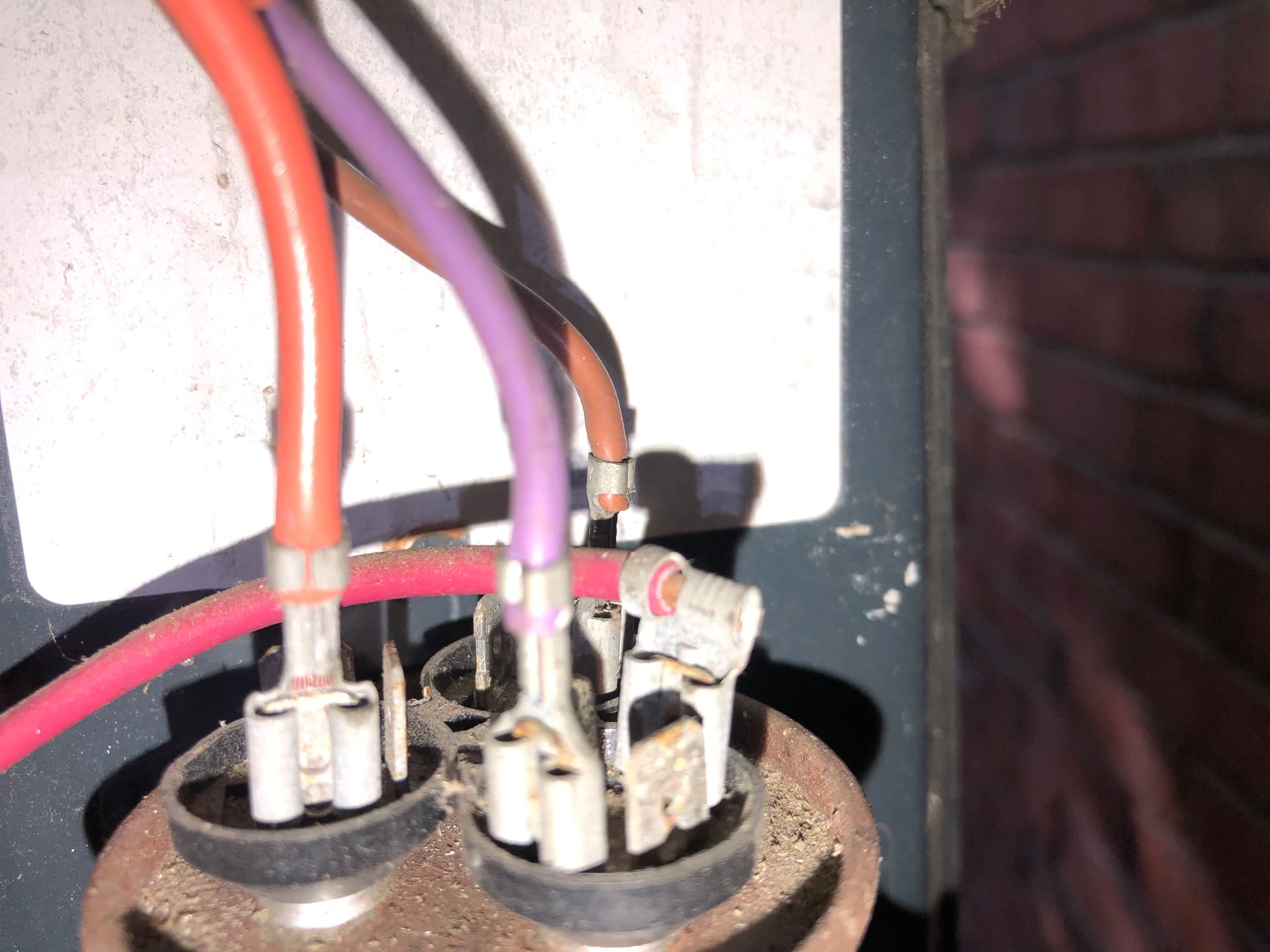
We see this a lot during stretches of heavy use. Capacitors wear down over time, and heat accelerates that process. The terminals corrode, the capacitance drifts out of spec, and eventually the component gives out. A quick diagnostic test with the right meters tells us exactly what's happening - no guesswork, no unnecessary parts swapped out.
Once we confirmed the capacitor had failed, we swapped it out with a properly rated replacement. That means matching the microfarad ratings and voltage rating exactly. Getting that wrong causes the new part to fail faster or puts extra stress on the motors it's supposed to protect. It's the kind of detail that matters, even on what looks like a simple repair. After the replacement, the system was back to running the way it should - compressor firing, fan spinning, and actually cooling again.