AC Maintenance Done Right - Coil Cleaning, Blower Wheel and Capacitor Swap
Sometimes a system isn't failing because something major broke. It's failing because nobody's paid attention to it in a while. Dirt builds up. Small parts wear down. The system starts working harder than it should just to keep up - and eventually, it can't.
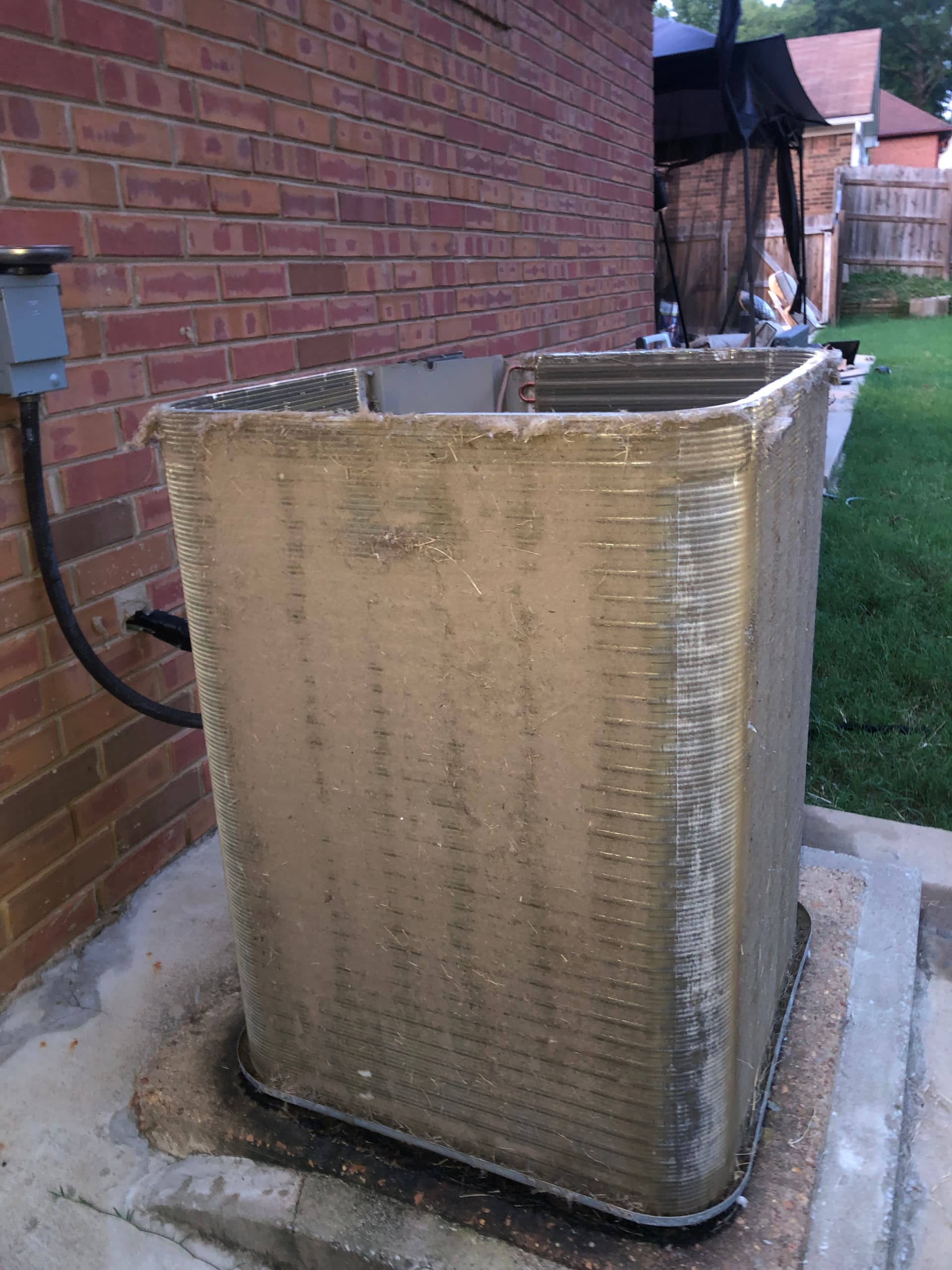
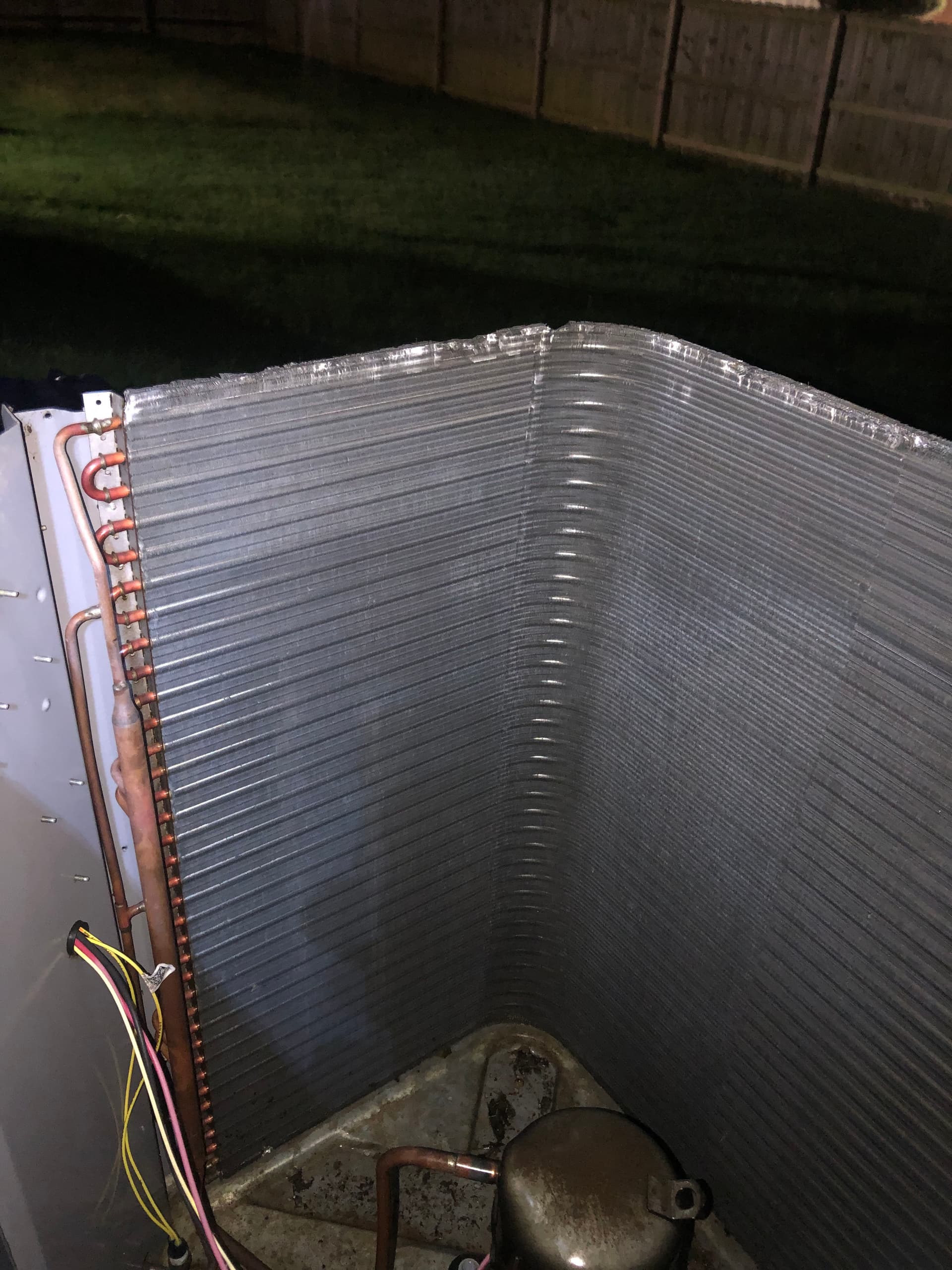
On this one, we started outside at the condenser. The coil was packed with debris - dust, grass, and grime layered across the fins, blocking airflow and forcing the unit to work overtime. A dirty condenser coil can't release heat properly, which means the whole system runs less efficiently and puts extra strain on the compressor. We cleaned it out completely. That alone makes a noticeable difference in how the system performs.
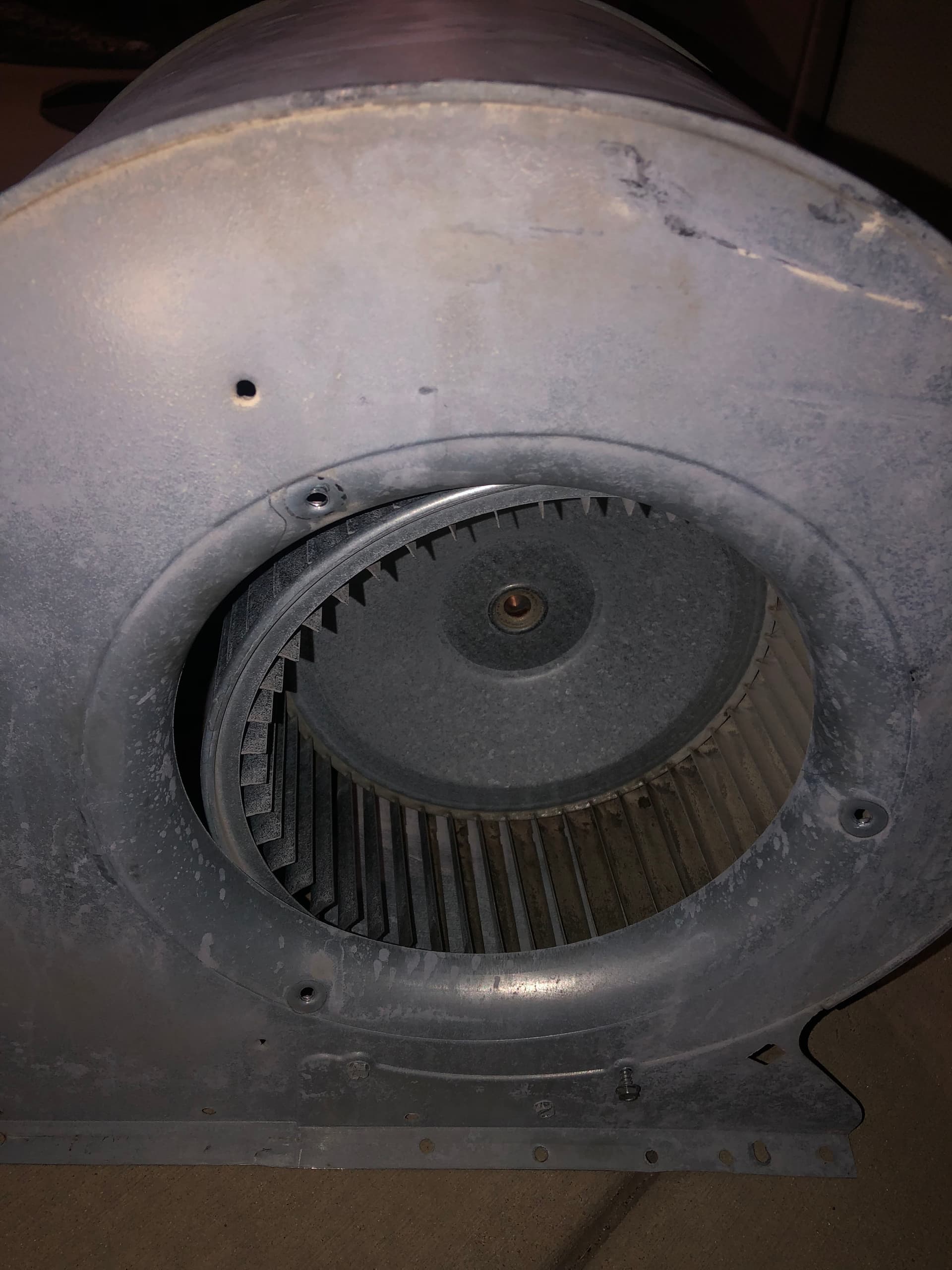
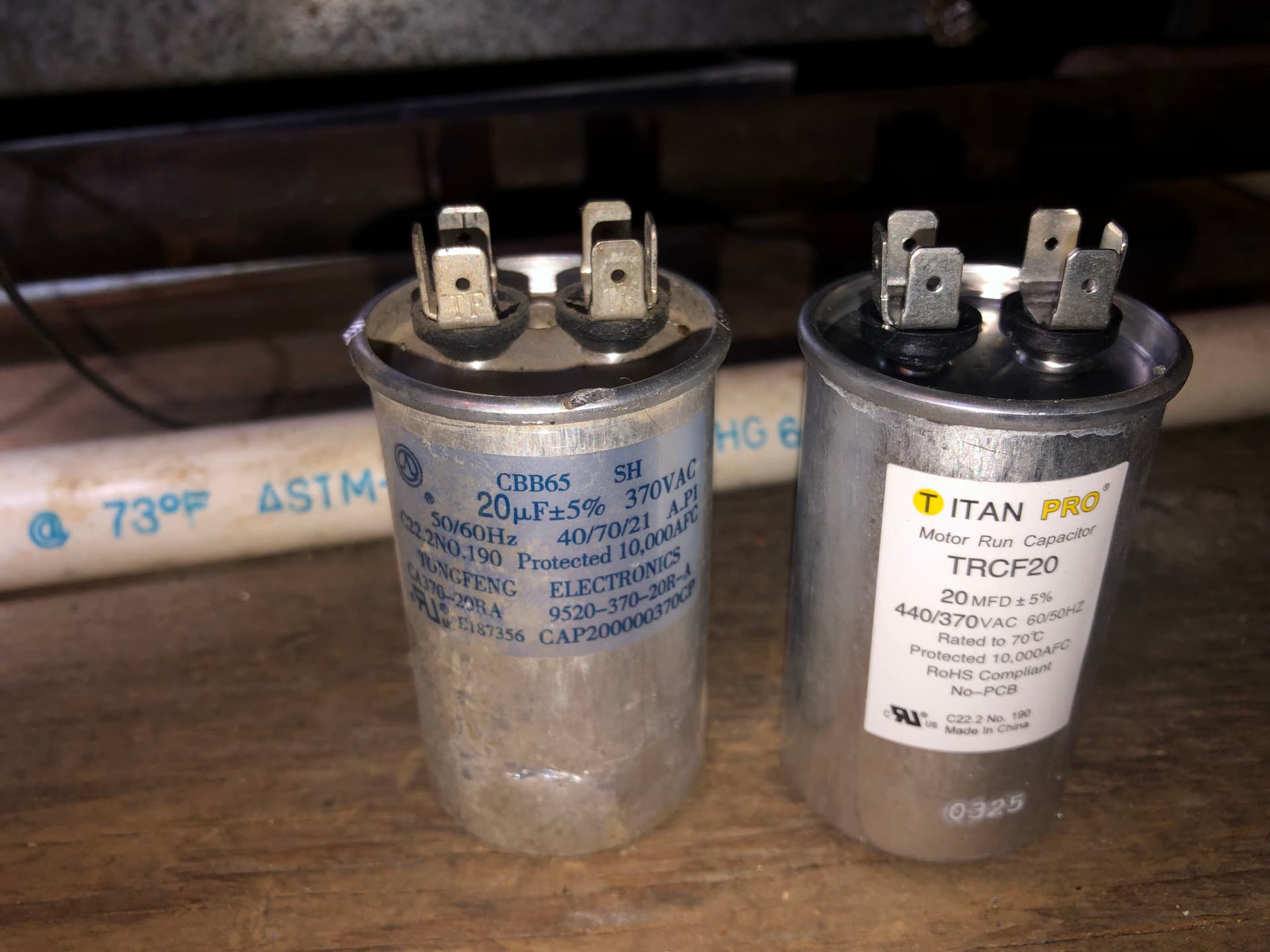
Inside, we pulled the blower wheel and gave it a thorough cleaning. Blower wheels collect a surprising amount of buildup over time, and when the blades get coated, they can't move air the way they're supposed to. Less airflow means less cooling, higher energy use, and more wear on the motor. Getting that wheel clean again restores the airflow the system was designed to deliver. We also swapped out a weak start capacitor - you can see the old one next to the new Titan Pro replacement. A failing capacitor puts real stress on the compressor and fan motor every time the system tries to start up. It's a small part, but it does a big job.
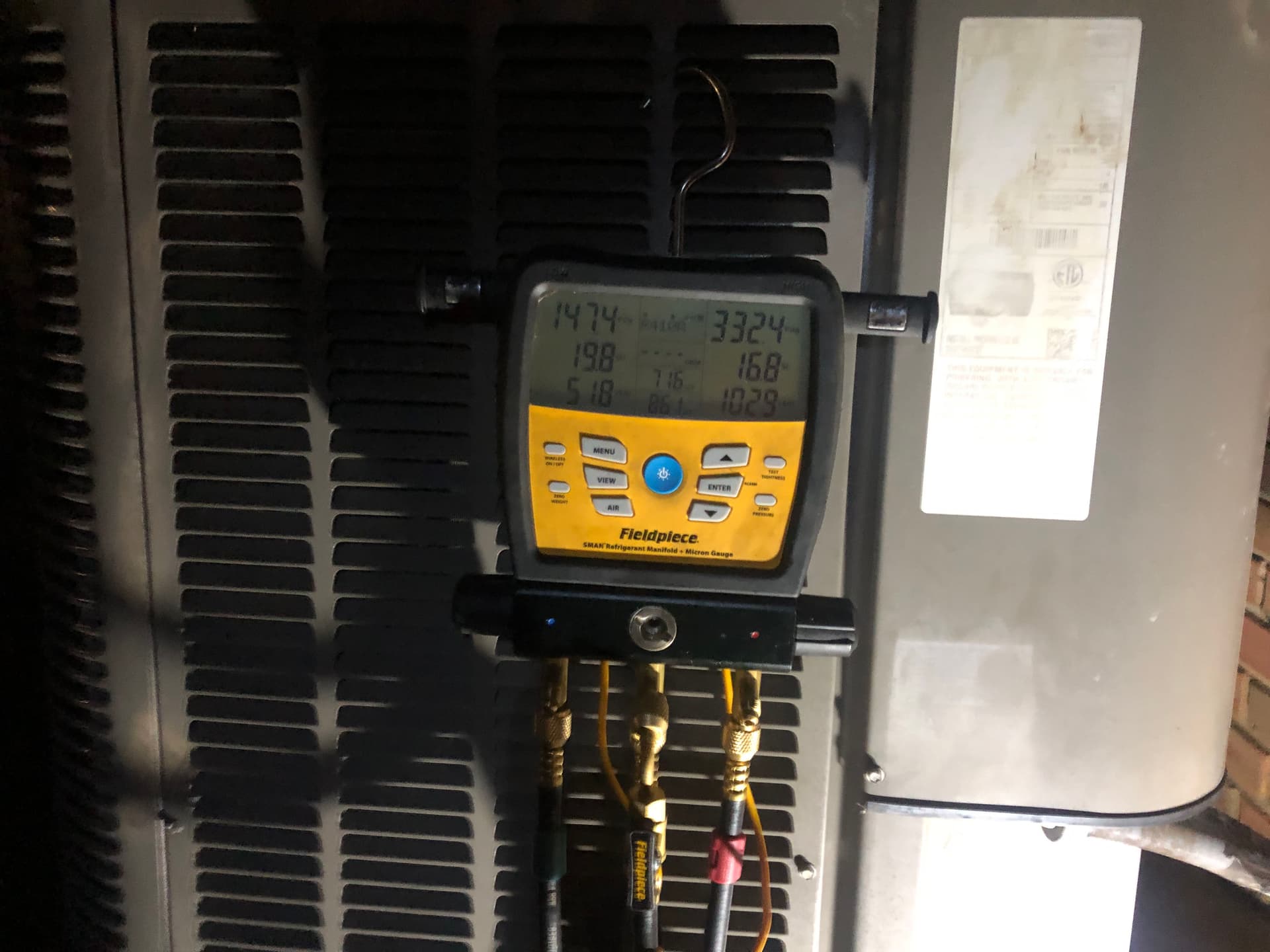
After everything was buttoned up, we connected the Fieldpiece smart manifold gauge to check refrigerant pressures and verify the system was operating where it should be. That's the diagnostic side of the work - making sure the repairs actually translated into a system running correctly, not just assuming they did. No guessing.
Little things add up fast in HVAC. A clogged coil here, a dirty blower wheel there, a capacitor that's losing its charge - none of them seem like emergencies on their own. But together, they drag down efficiency, shorten equipment life, and set the stage for a bigger, more expensive breakdown. Staying ahead of that stuff is almost always the smarter and cheaper move.