AC Not Cooling? A Blown Fuse and Bad Contactor Were the Culprits
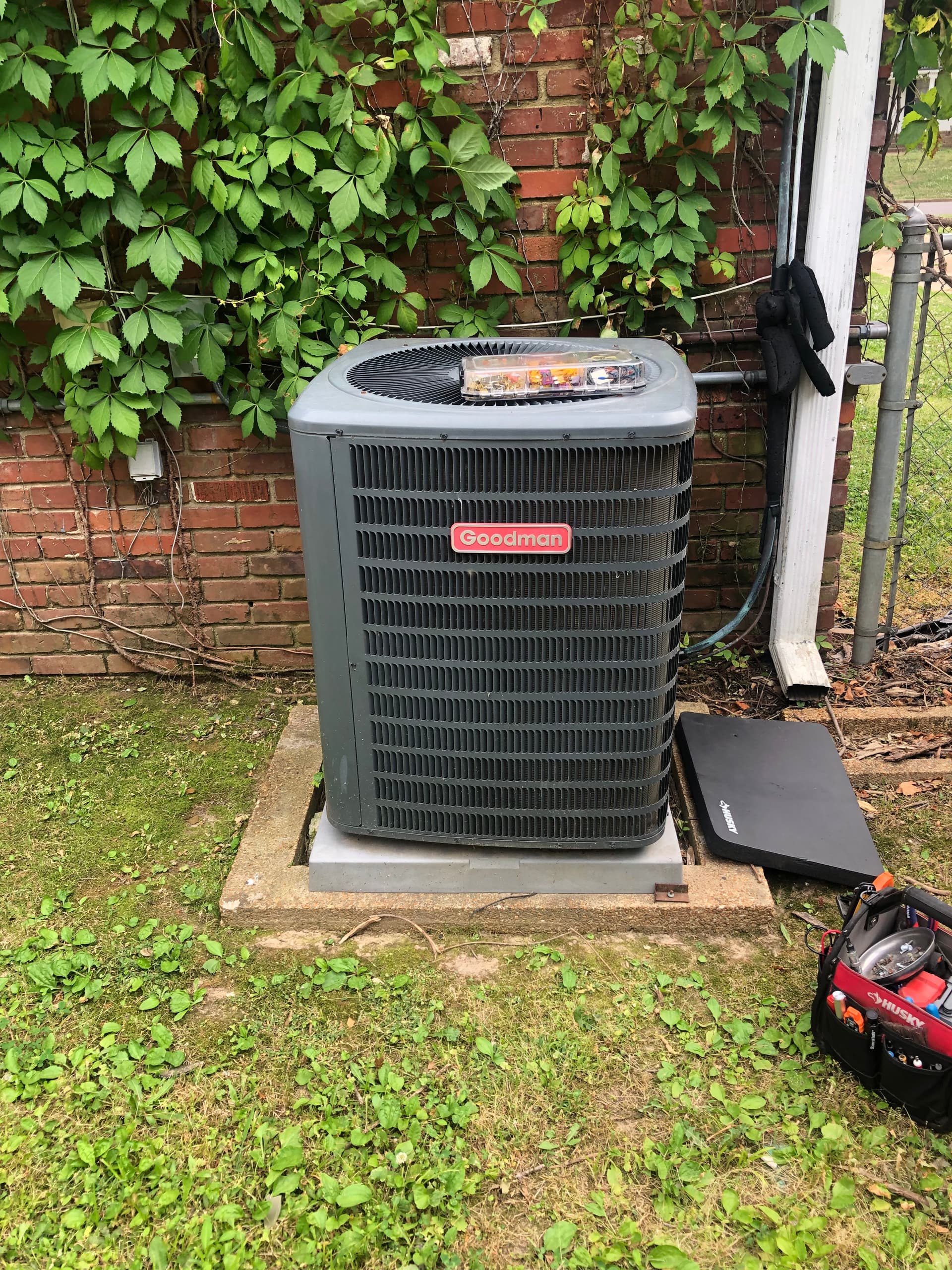
When an AC quits cooling, most people assume the worst - refrigerant leak, failed compressor, expensive repair. A lot of times though, it comes down to something much smaller. That was exactly the case here with this Goodman condenser unit.
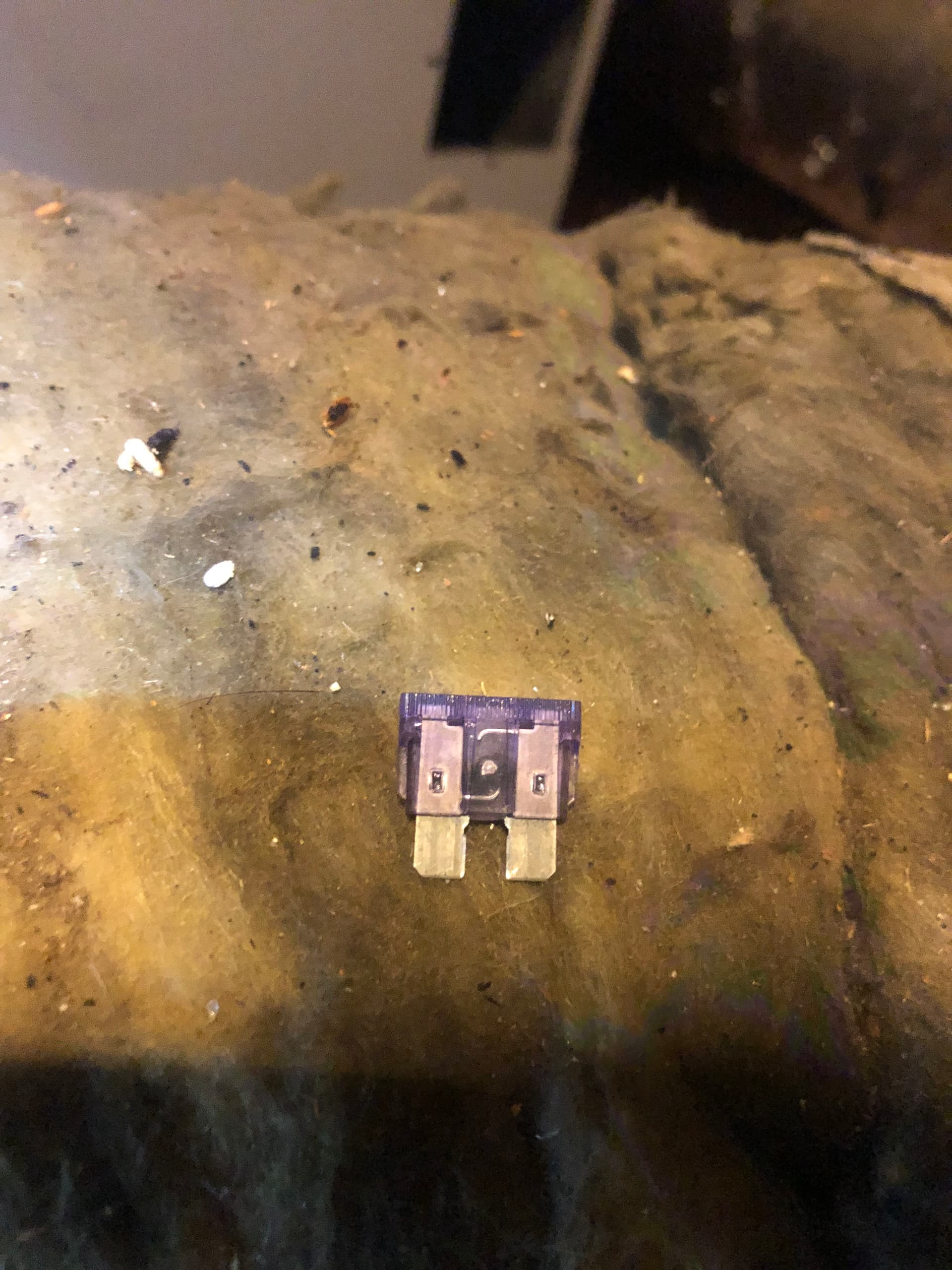
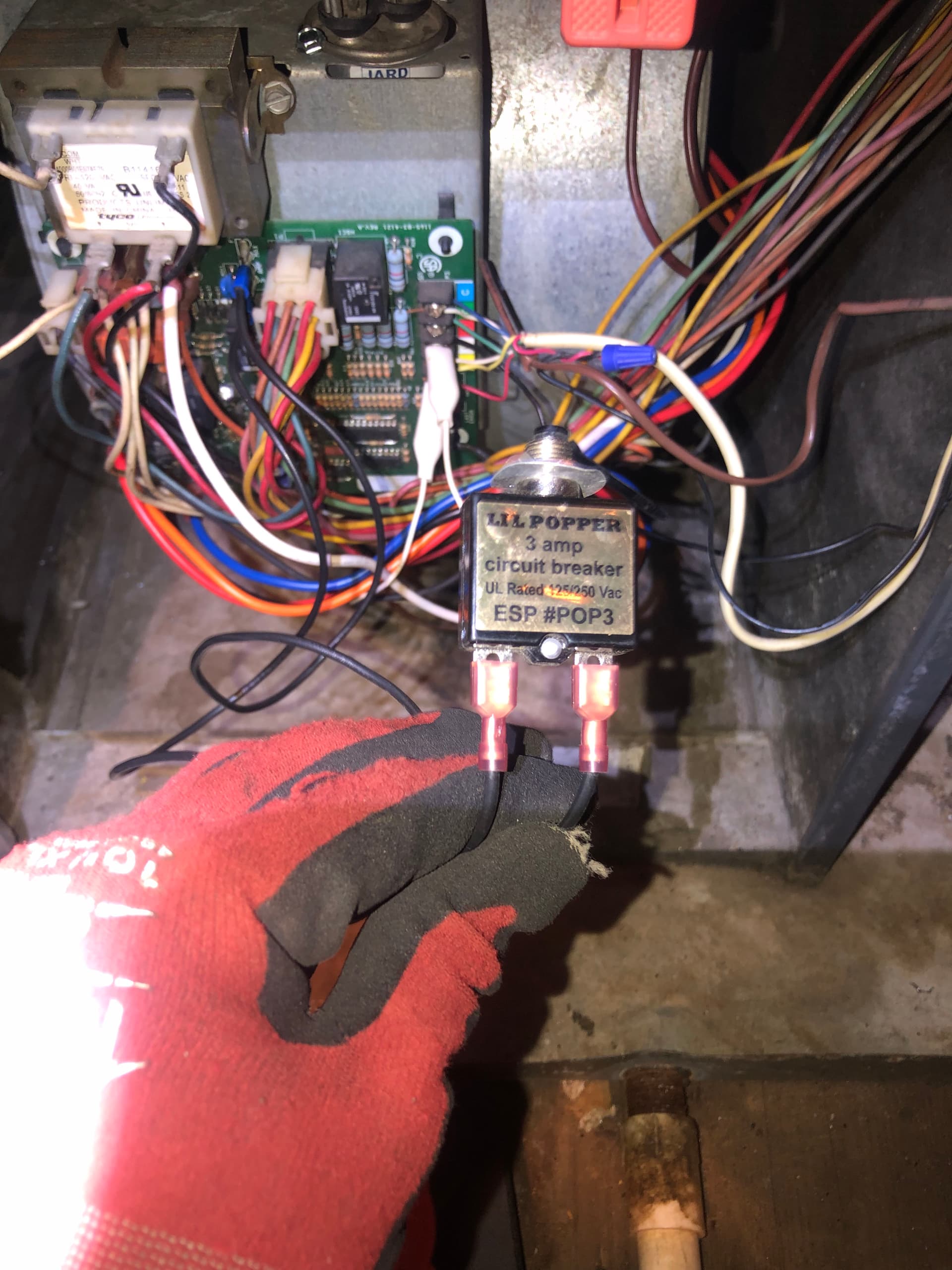
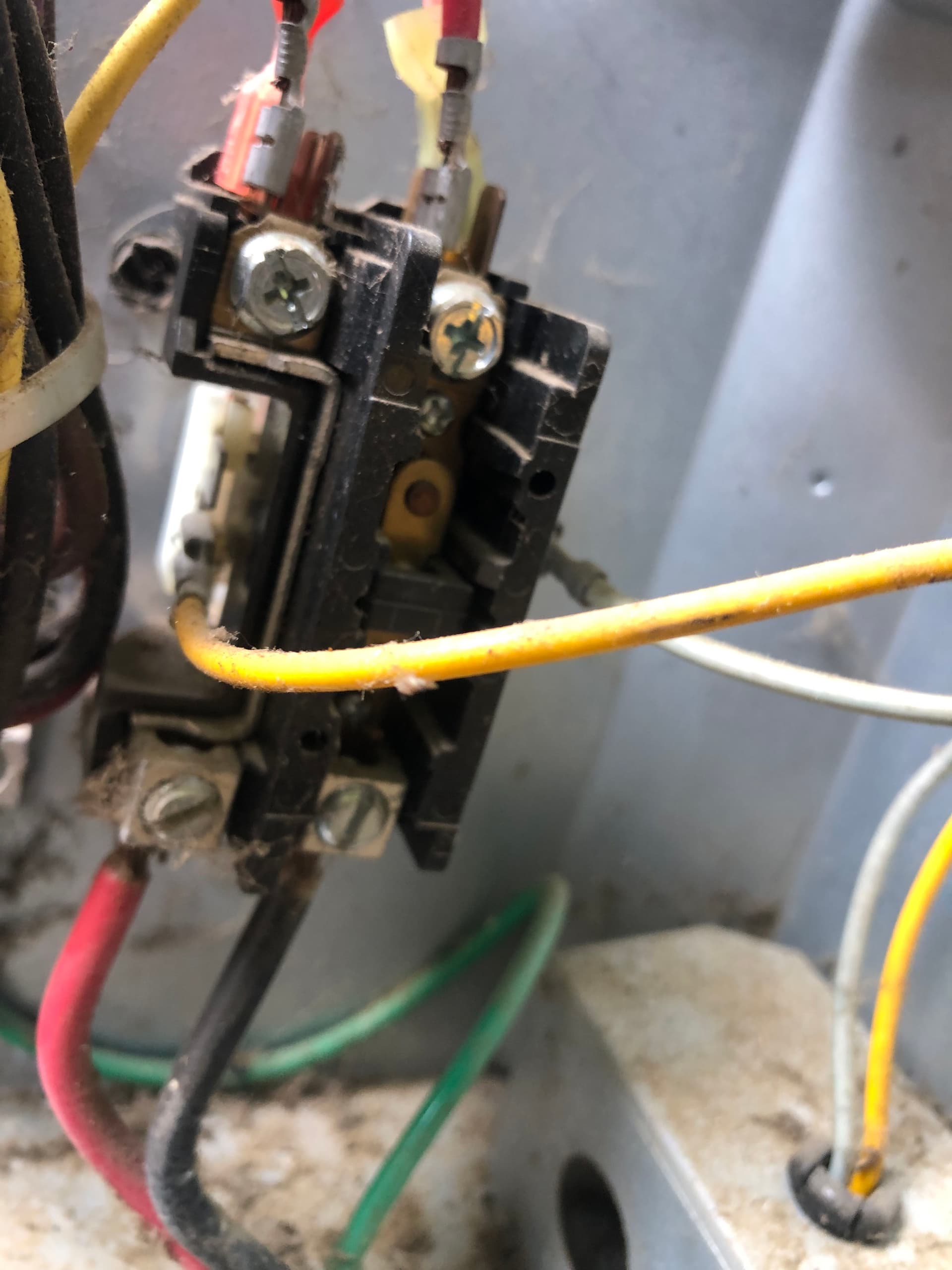
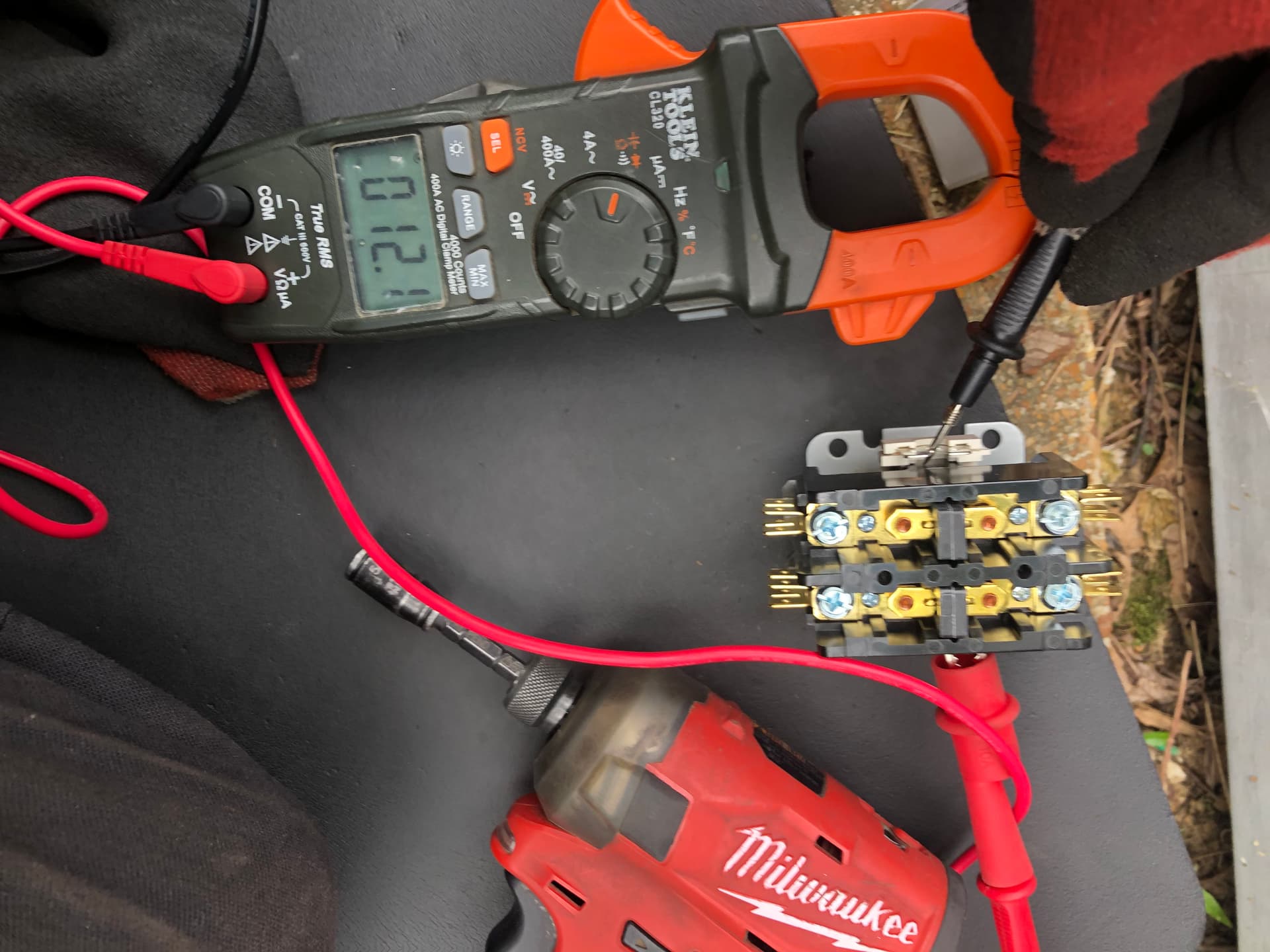
We ran a full no-cooling diagnostic on this system. First stop was the condenser contactor. The contacts were out of spec, meaning the electrical signal telling the compressor to kick on wasn't transferring the way it should. A bad contactor is one of the most common reasons a condenser unit just sits there doing nothing while your thermostat keeps calling for cool air. We also turned up a blown 3-amp fuse in the air handler - a tiny part that carries a big responsibility. When that fuse goes, it can take down the whole control circuit with it.
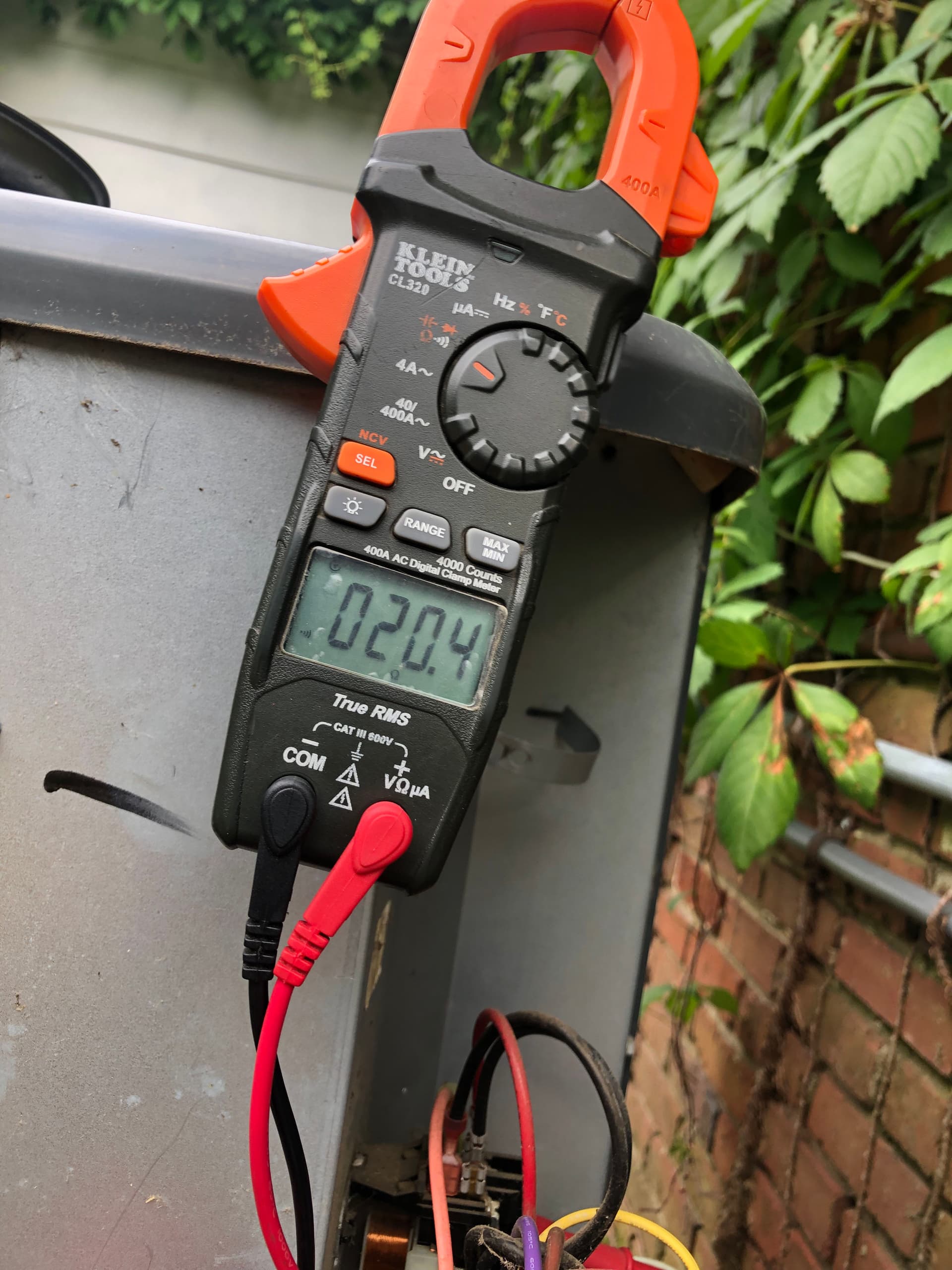
Both parts got replaced. That's really what a solid HVAC diagnostic comes down to - not guessing, but testing. We use a clamp meter to check actual voltage and current readings at the unit, which tells us exactly what's happening electrically before we ever pull a part. The numbers don't lie.
Small electrical components like fuses and contactors are cheap to fix when you catch them early. Leave them too long and they can cause downstream damage to more expensive parts. That's why we always recommend calling as soon as your system stops cooling - don't wait it out hoping it comes back on its own.
If your AC is running but not cooling, or not running at all, that's a diagnostic call waiting to happen. We'll track down the root cause and get it sorted before it turns into a bigger headache.