AC Not Cooling? Here's How We Actually Find the Answer
When an AC stops cooling, most people assume it's just low on refrigerant. That's not always the case - and topping it off without knowing why it's low is just throwing money at a problem you haven't solved yet. We don't guess. We test.
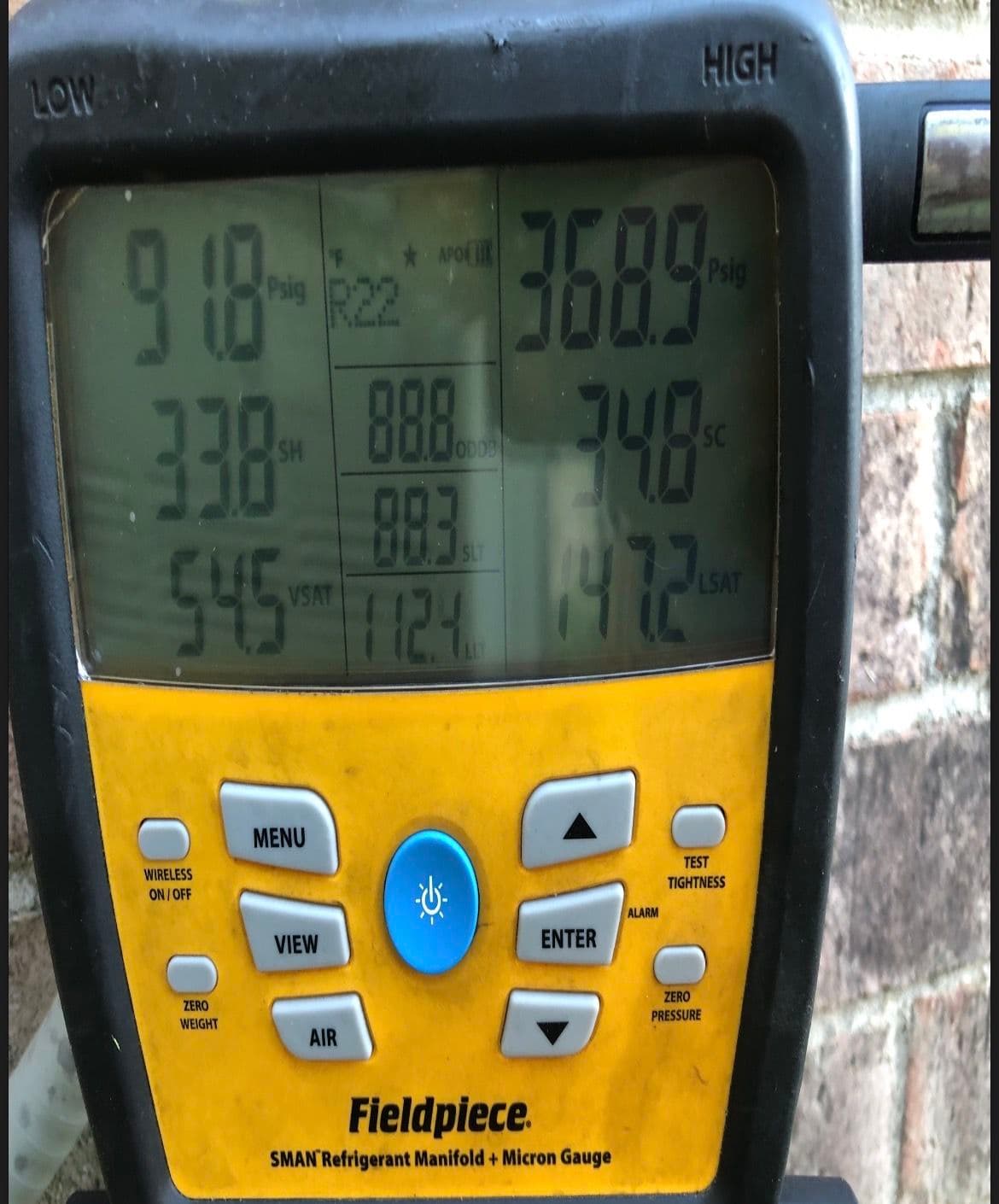
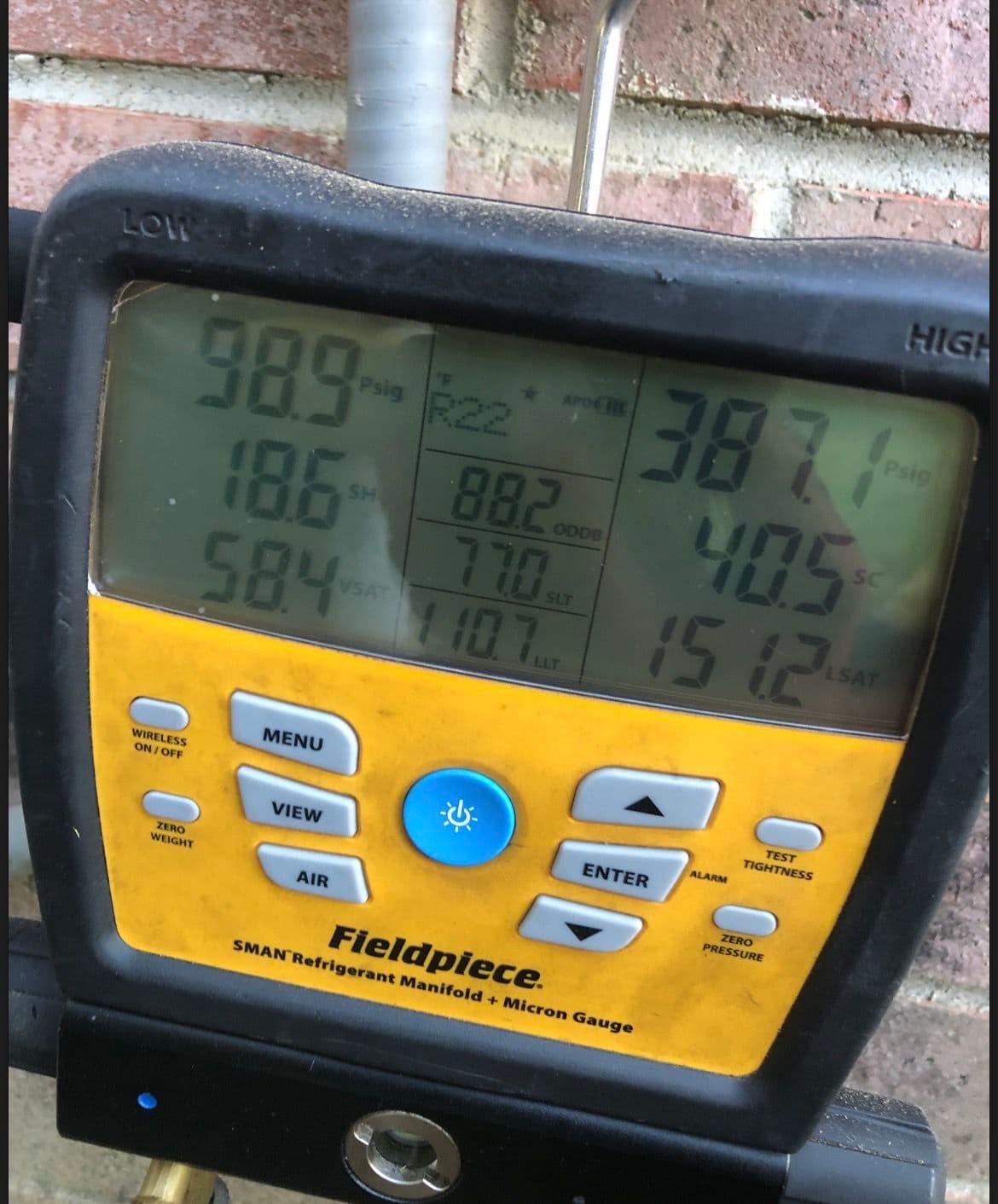
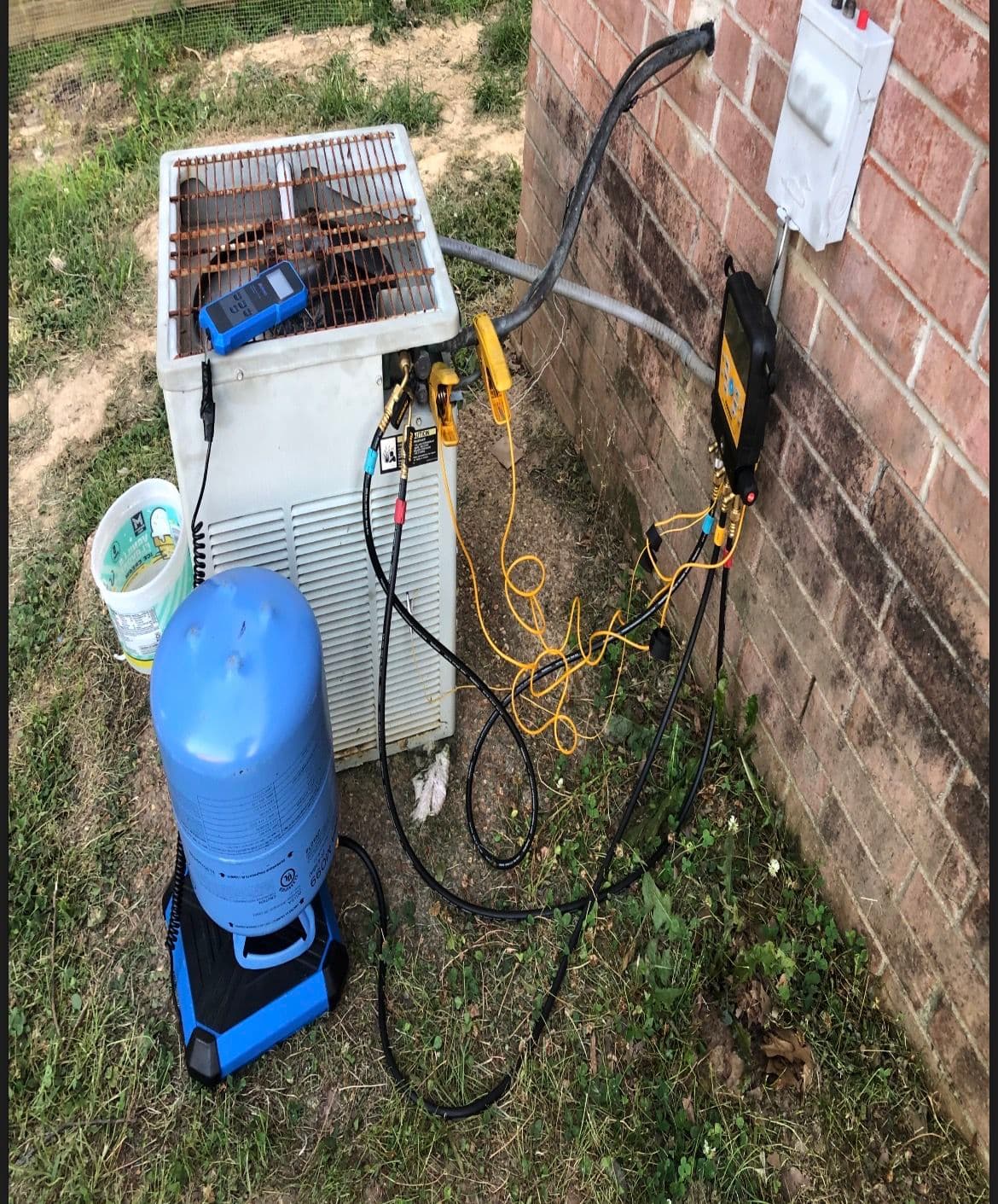
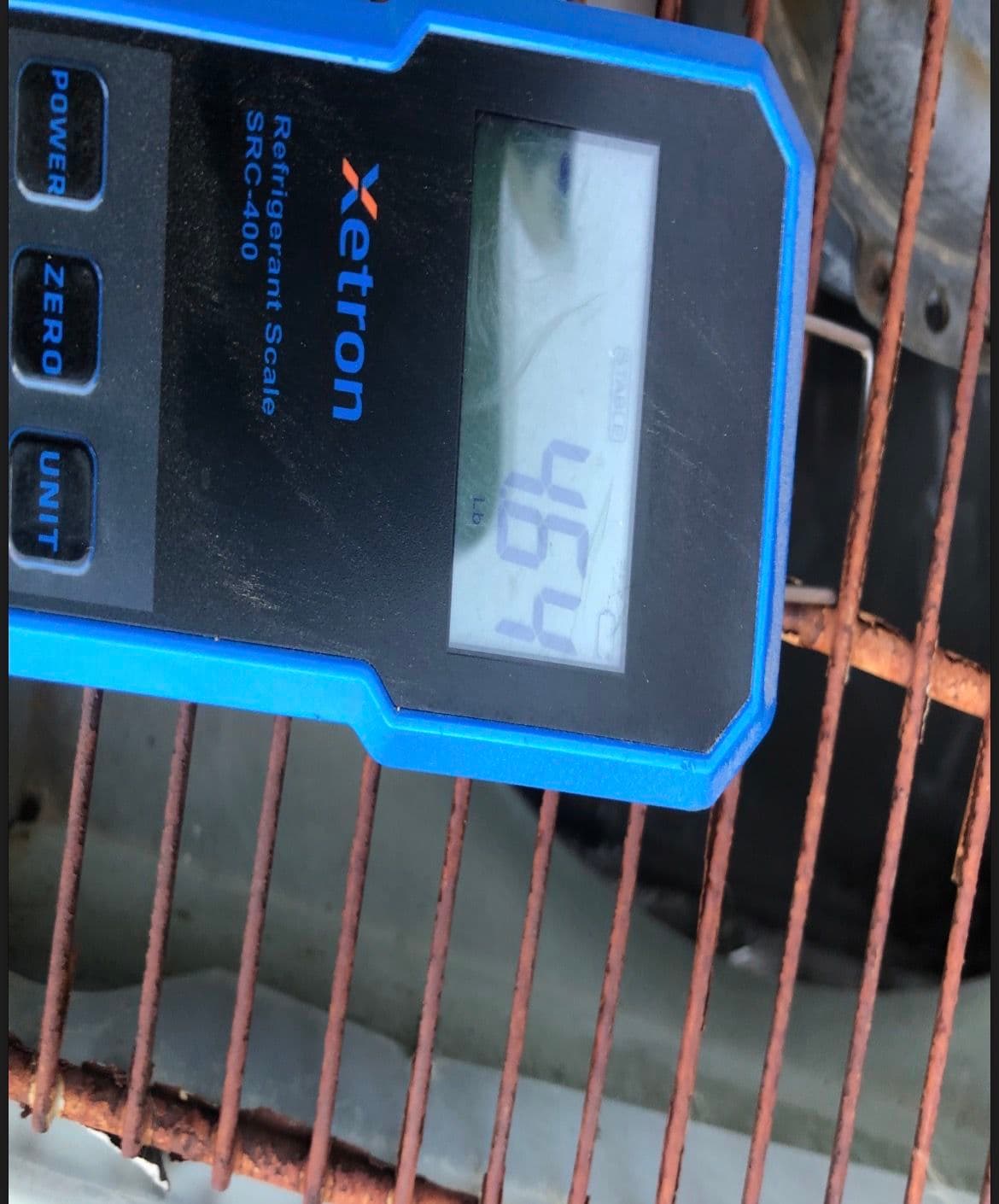
Here's what a proper no-cooling diagnostic actually looks like. We hook up a Fieldpiece manifold gauge set and pull real pressure readings from the system - suction side, high side, superheat, subcooling, all of it. Those numbers tell us exactly what the refrigerant is doing inside the system and whether the charge is the issue or if something else is causing the problem. It's a lot more informative than just checking one pressure and calling it a day.
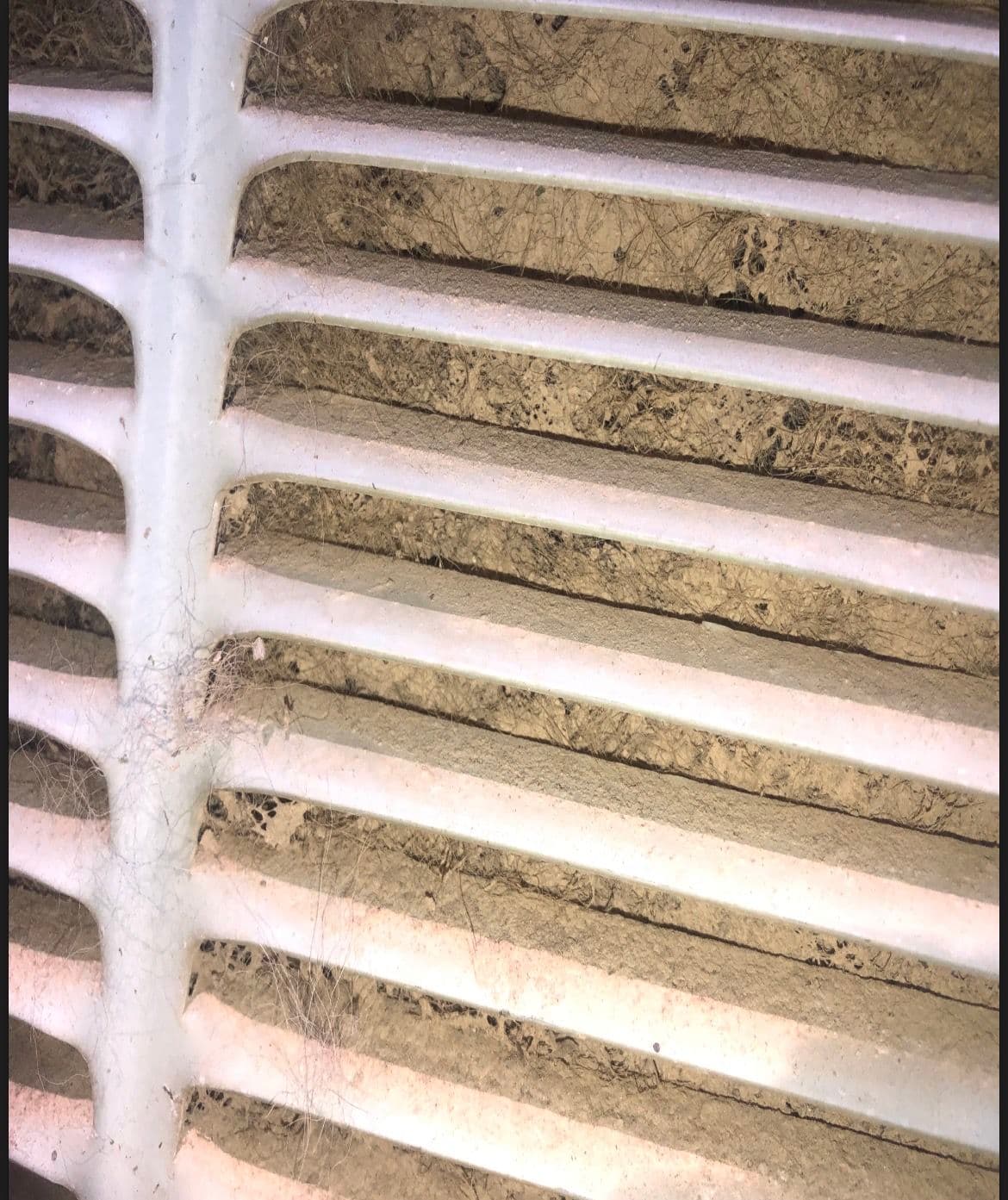
We also check the filter situation inside. A clogged, packed-out filter restricts airflow across the evaporator coil - and when airflow drops, the whole system struggles. That alone can cause an AC to run constantly without ever catching up. It's one of the most overlooked reasons a system loses cooling capacity, and it's one of the first things we look at on every call.
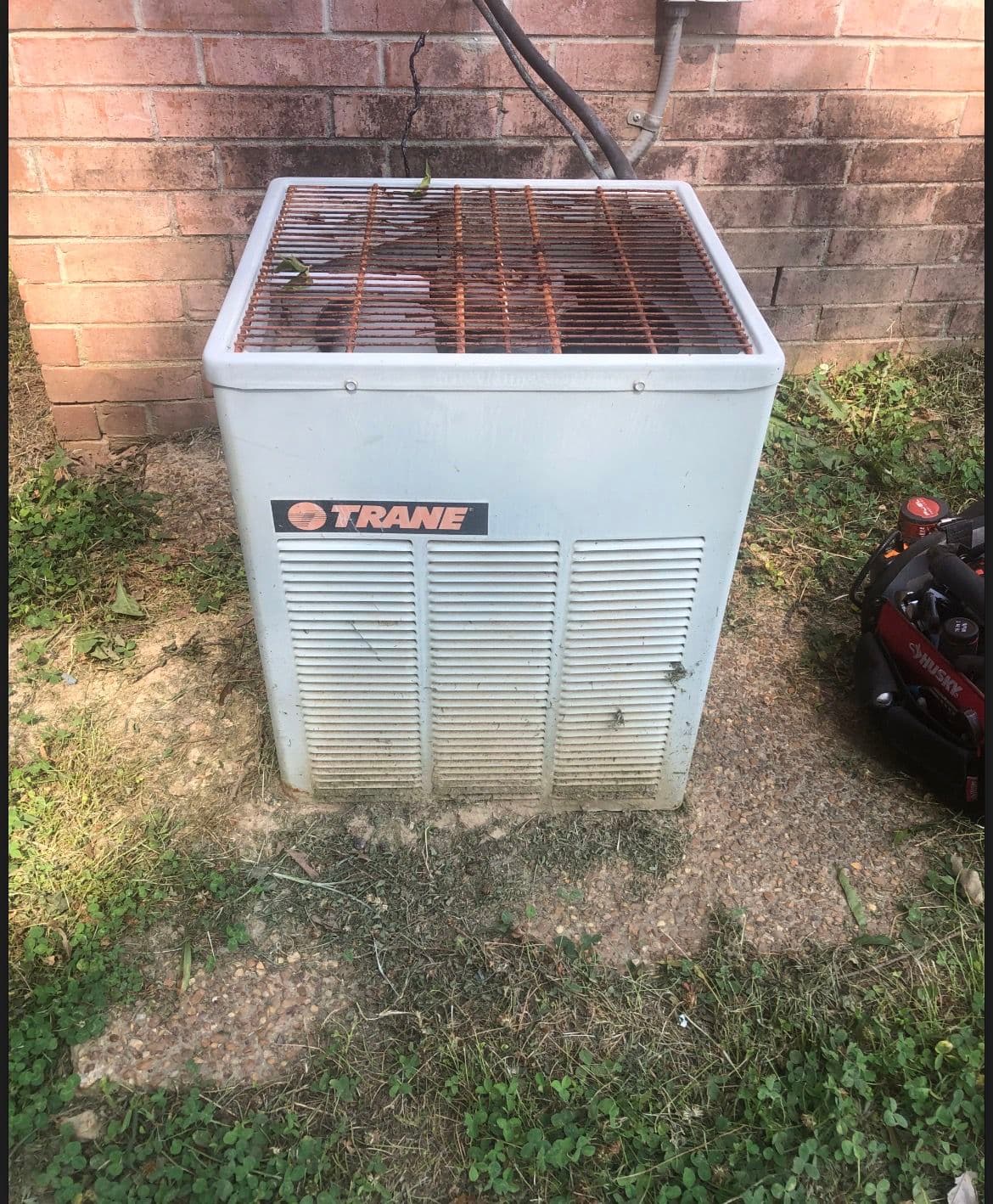
On an R22 system like this older Trane unit, you also have to factor in where refrigerant pricing and availability stand. Once we have accurate pressure data and a clear picture of what the system is doing, we can give the homeowner a straight answer - whether it's worth charging, whether there's a leak to address, or whether replacement is the smarter path. No pressure, just facts.
That's what a real HVAC system diagnostic should look like. Not guessing, not upselling refrigerant before we know what we're dealing with - just accurate testing, honest answers, and a clear plan forward.