AC Not Cooling? Here's What a Real Diagnostic Turns Up
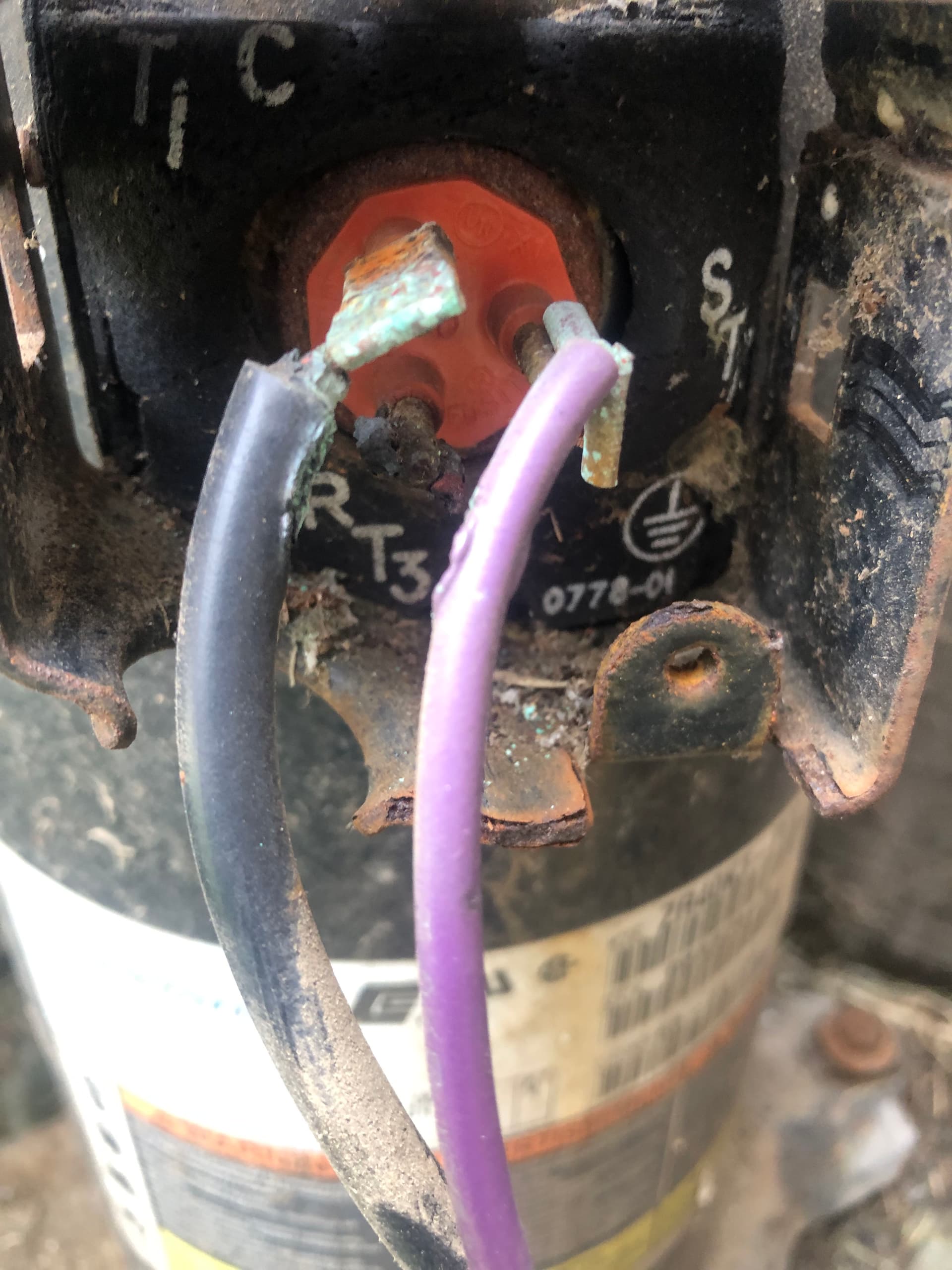
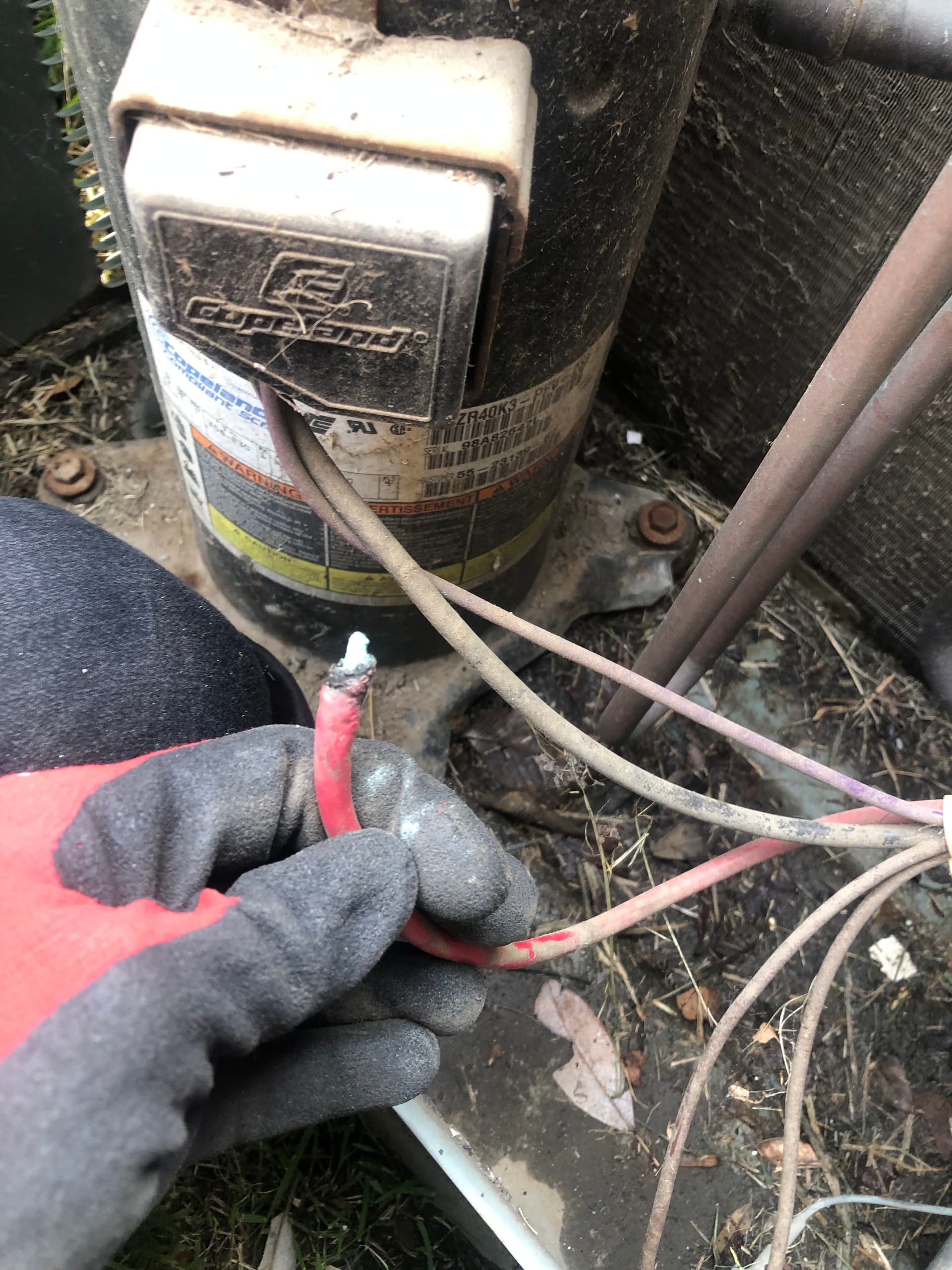
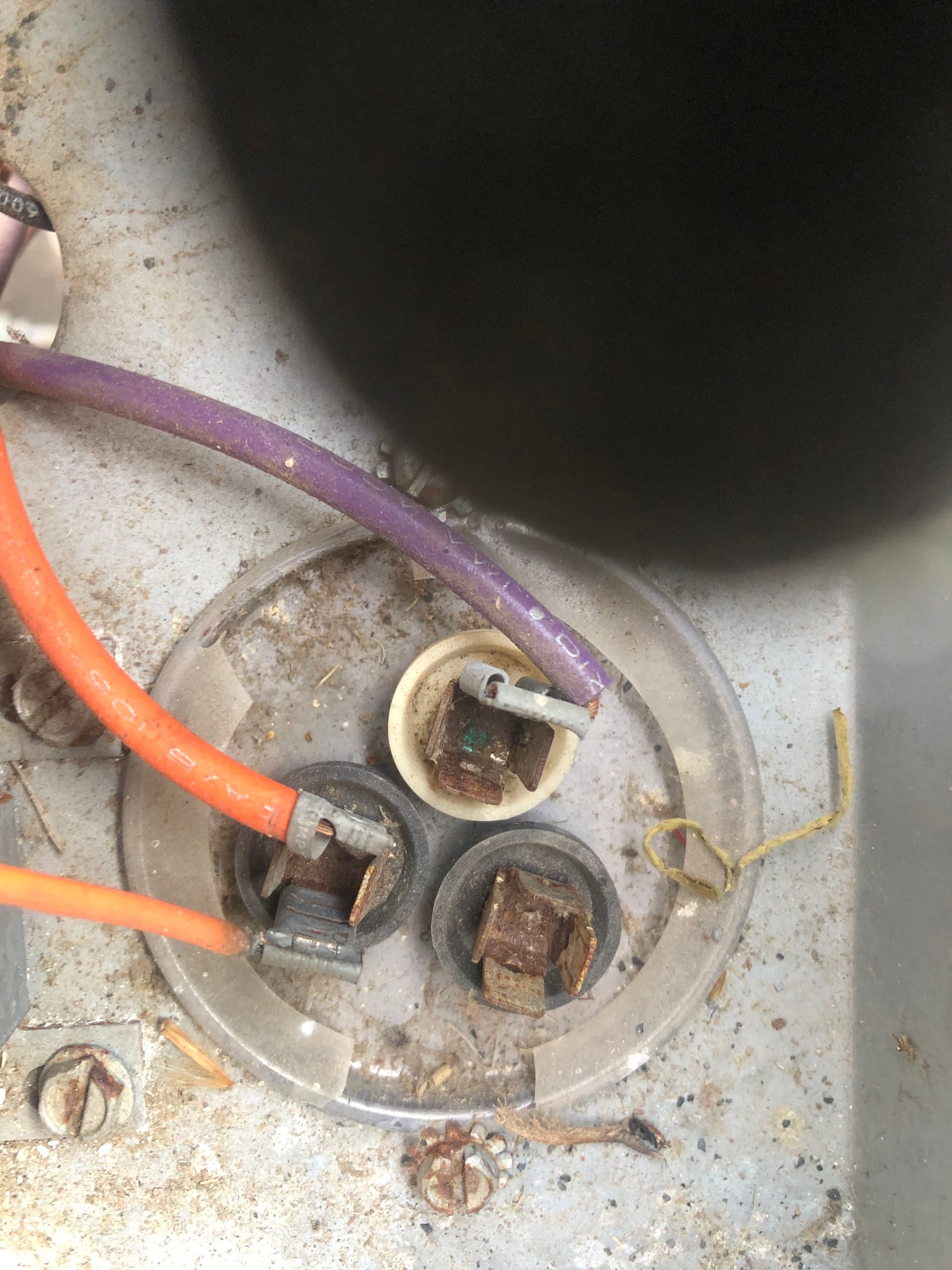
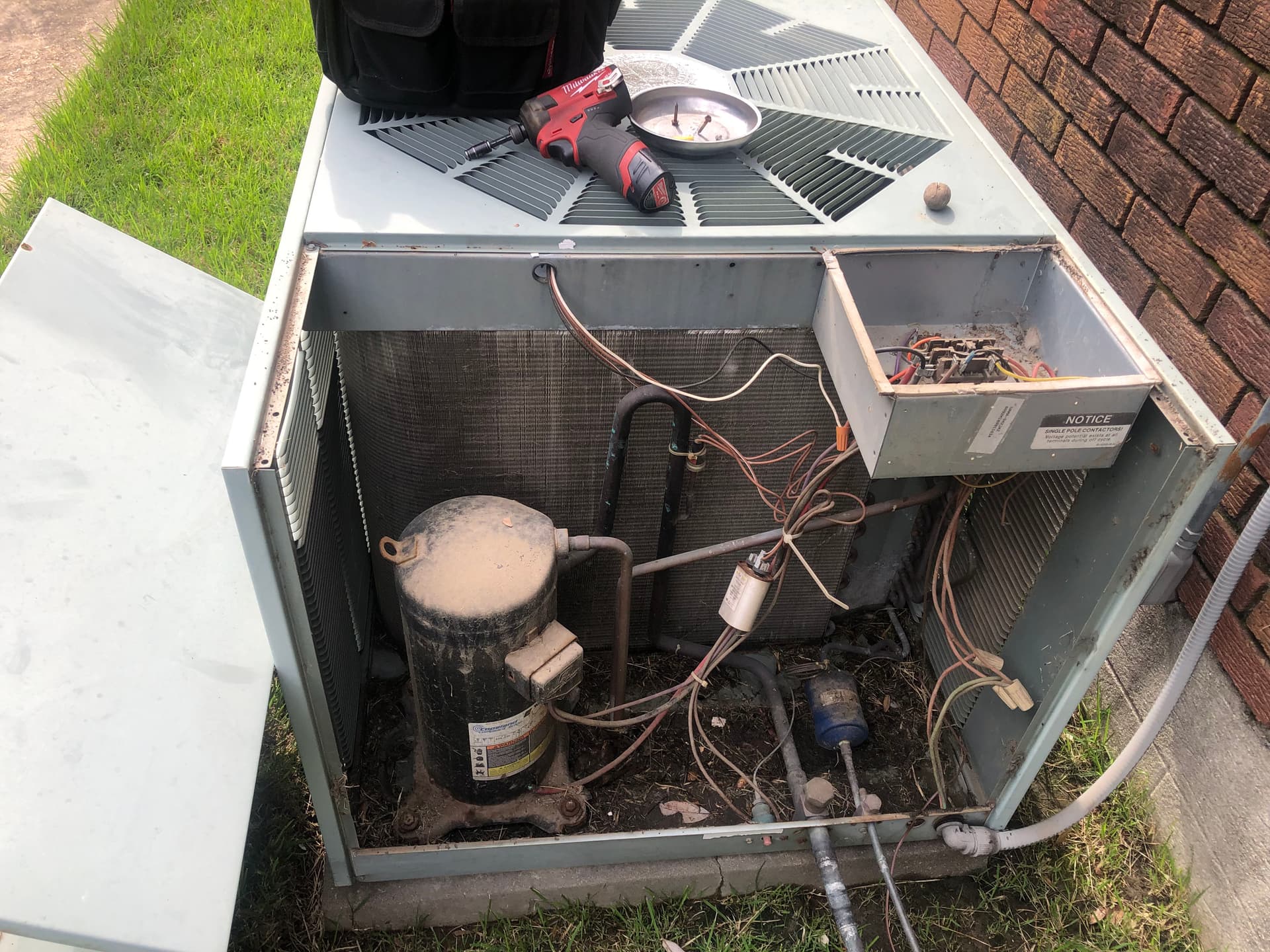
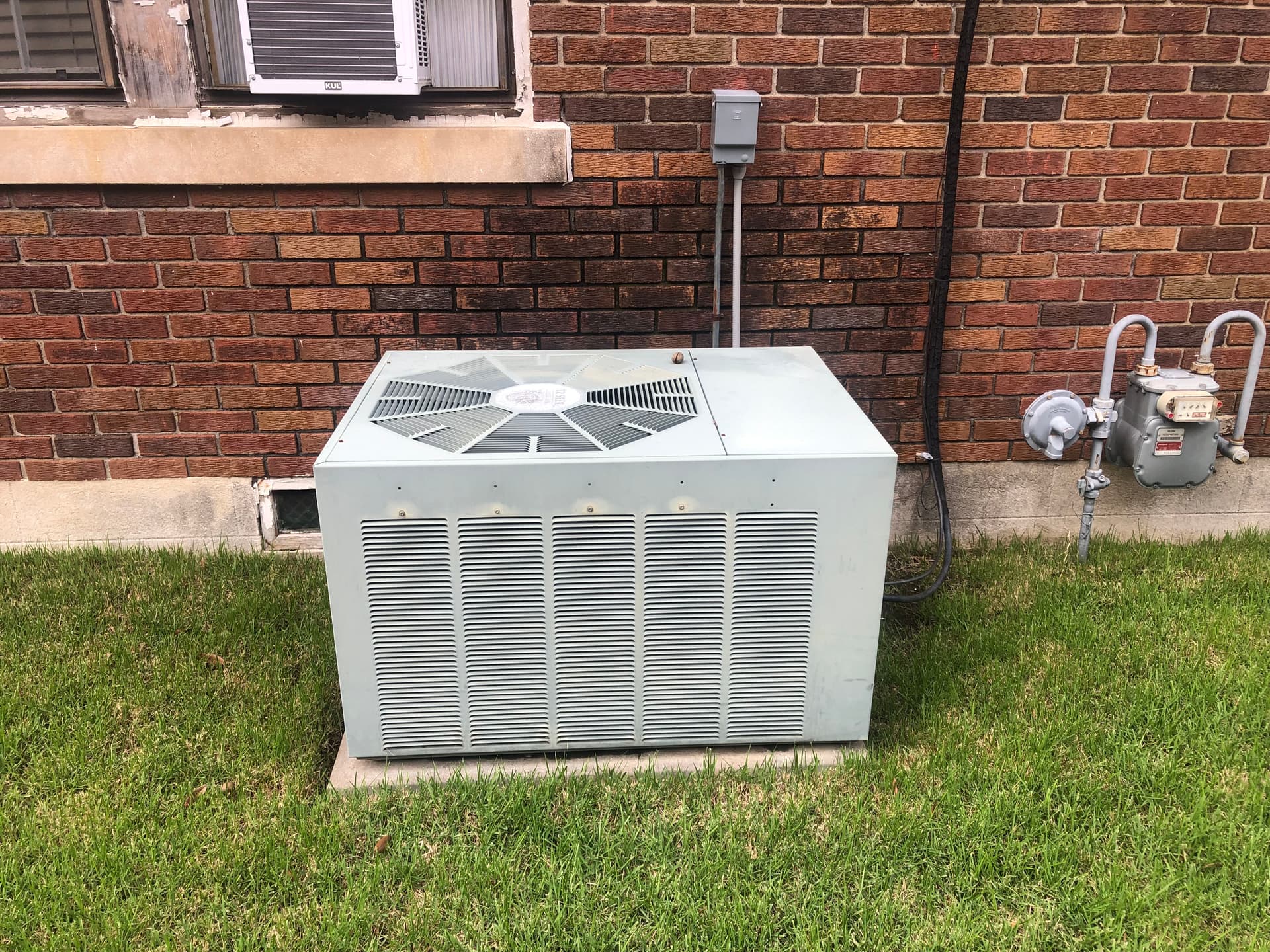
When an AC stops cooling, the easy guess is refrigerant. But that's not always the real problem. A proper no-cooling diagnostic means pulling the unit apart and actually looking - at the wiring, the compressor connections, the capacitor, all of it. That's exactly what we did here.
What we found wasn't subtle. The wiring at the compressor terminals showed serious corrosion and wear. The insulation on the leads was deteriorated, and the terminal connections themselves had taken on that green, oxidized look that tells you moisture and heat have been doing damage for a while. Left alone, that kind of electrical wear doesn't just cause a no-cooling call - it can take out the compressor entirely. That's the difference between a repair and a full replacement.
This is why HVAC system diagnostics matter. A unit can look completely fine from the outside - panels closed, fan spinning, nothing obviously wrong. But inside, the electrical side of the system can be failing in ways that only show up when you dig in with the right tools and know what you're looking at. We checked the compressor, the capacitor, the contactor compartment, and the wiring throughout.
Catching electrical issues early is almost always the cheaper path. Compressors are expensive. The wiring and components that feed them are not - as long as you find the problem before it causes a cascade failure. That's the whole point of doing this kind of thorough AC repair diagnostic work rather than just guessing and replacing parts.
If your system is running but not keeping up, or it quit cooling altogether, don't sit on it. These problems don't resolve on their own, and the longer a struggling system runs, the more stress it puts on the parts that are left.