AC Not Cooling? We Diagnosed and Fixed It Right
When an AC stops cooling, most people assume the worst - a refrigerant leak, a dead compressor, or a system that needs full replacement. A lot of the time, the real culprit is something much smaller. That's exactly what we ran into on this call.
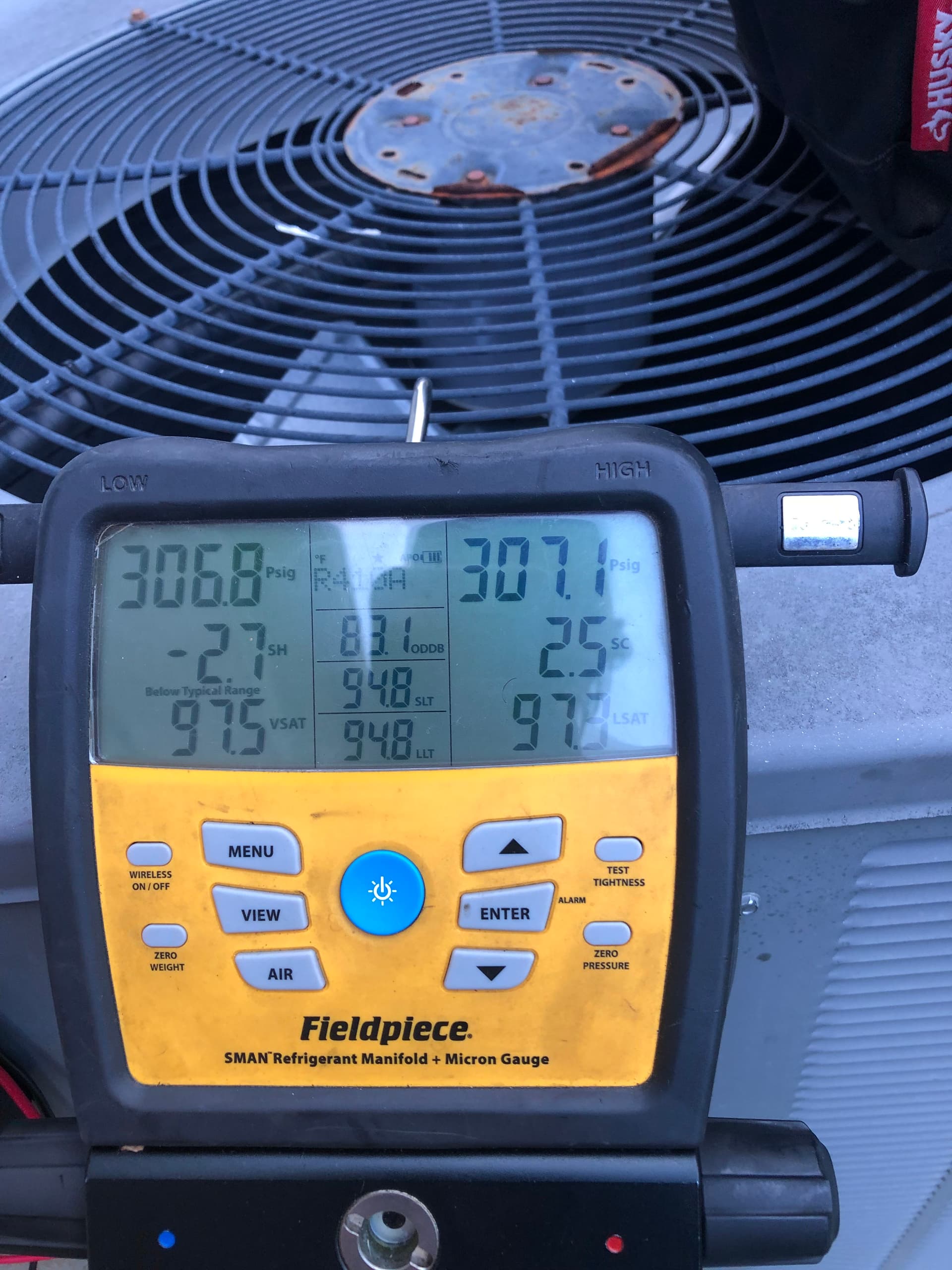
We started with a full system diagnostic. Using our Fieldpiece SMAN refrigerant manifold, we pulled pressure readings on both the high and low sides to get a clear picture of what the system was doing. The superheat and subcooling numbers told us the refrigerant charge wasn't the main issue. So we kept digging.
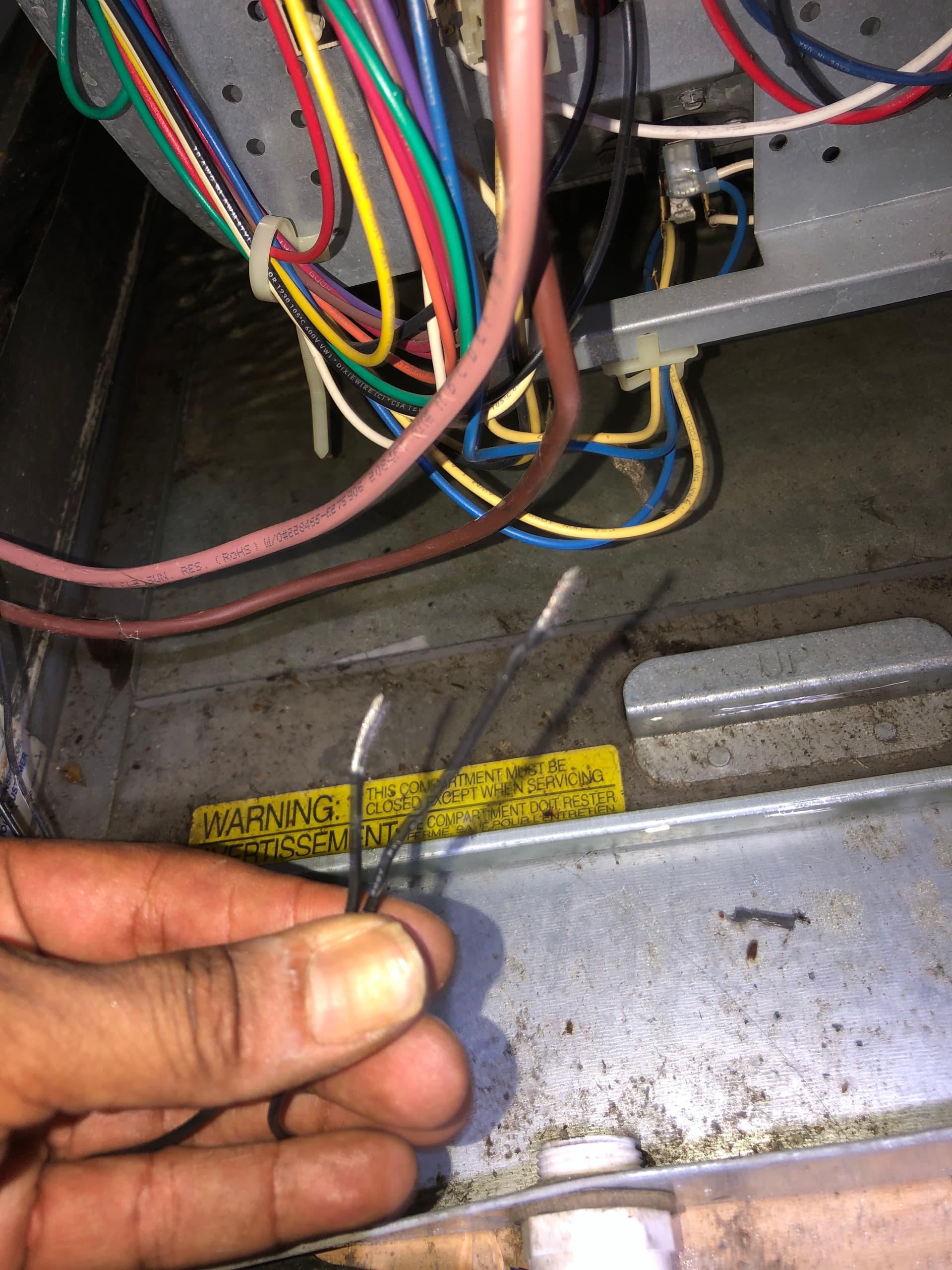
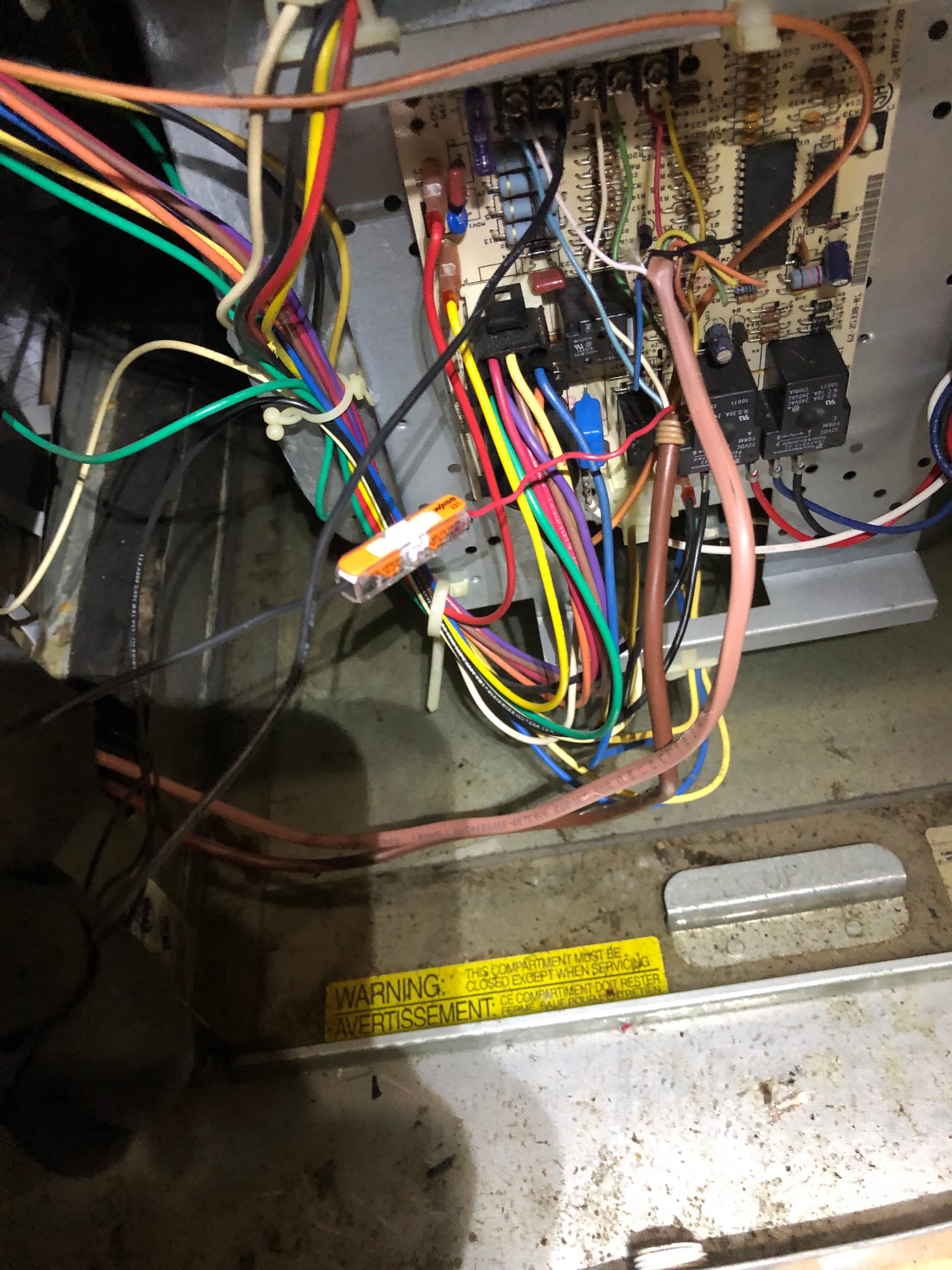
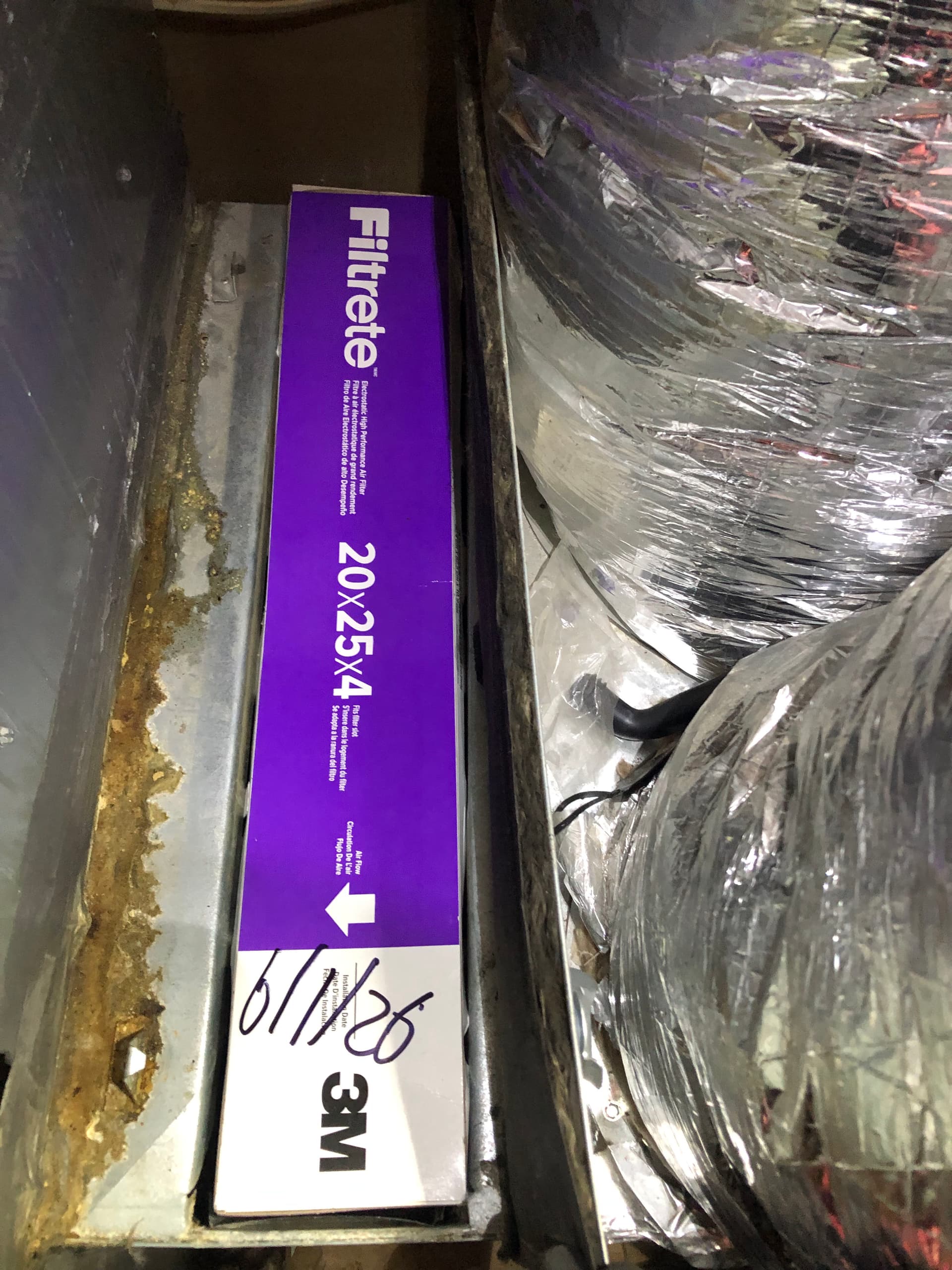
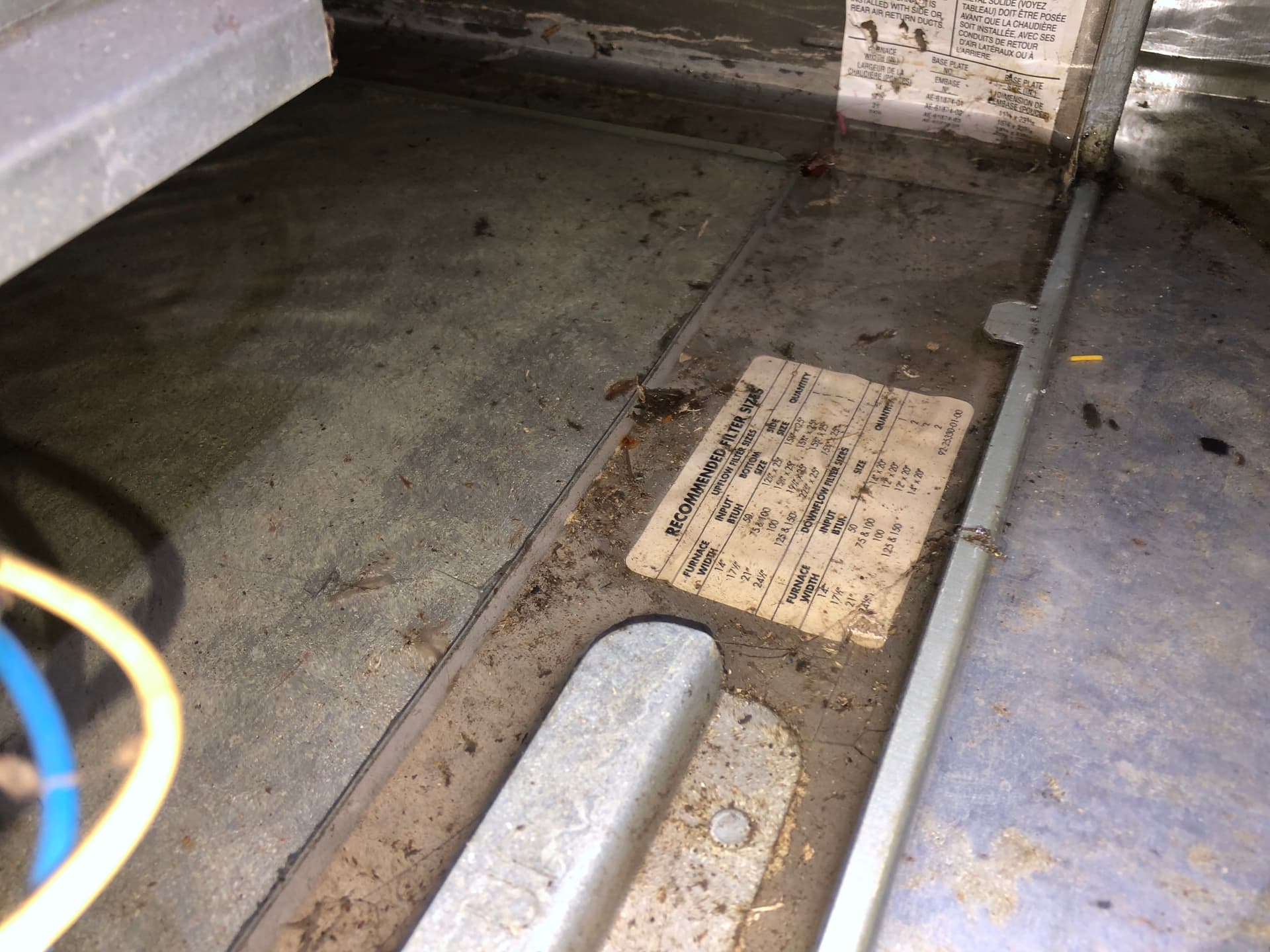
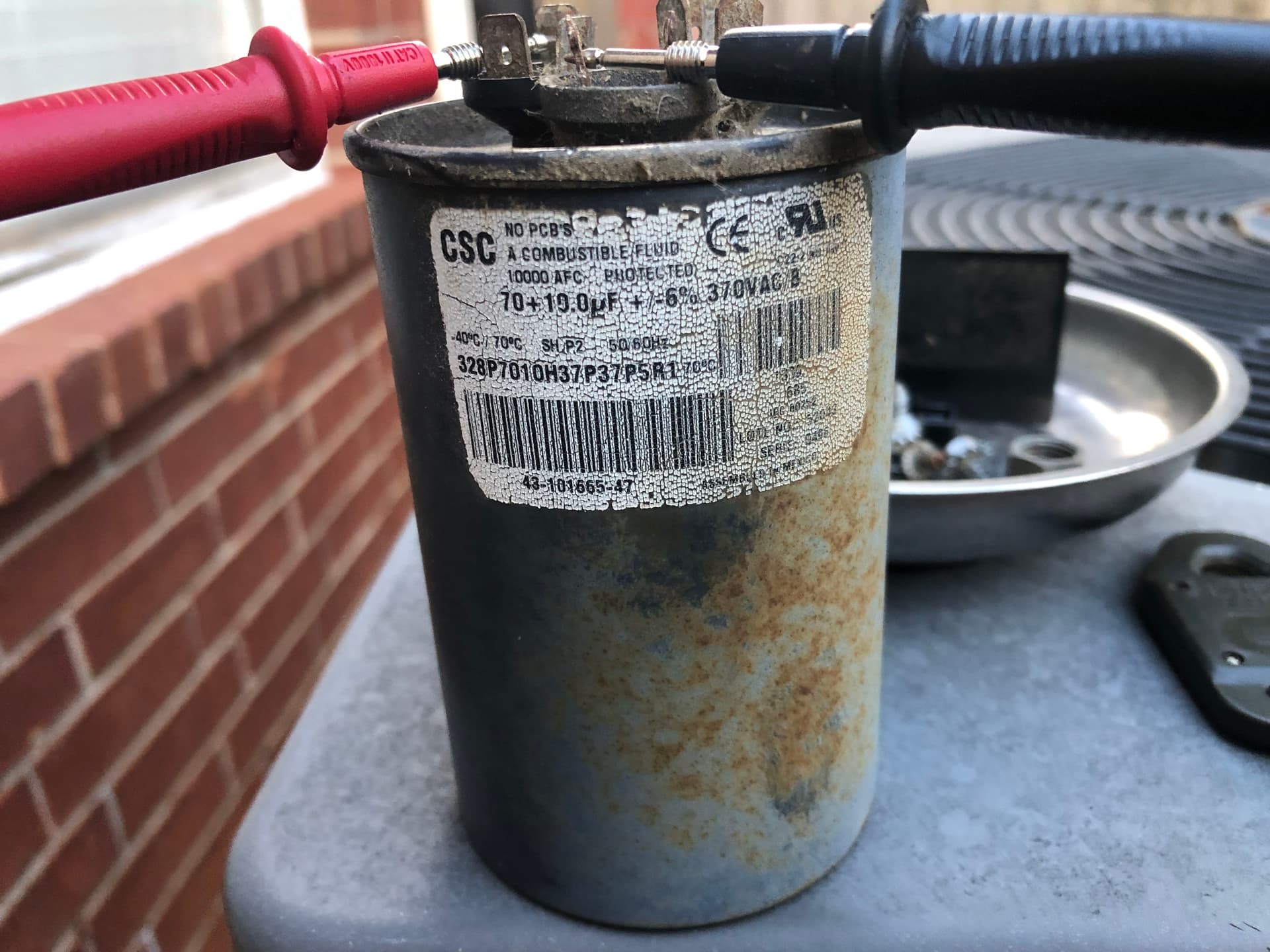
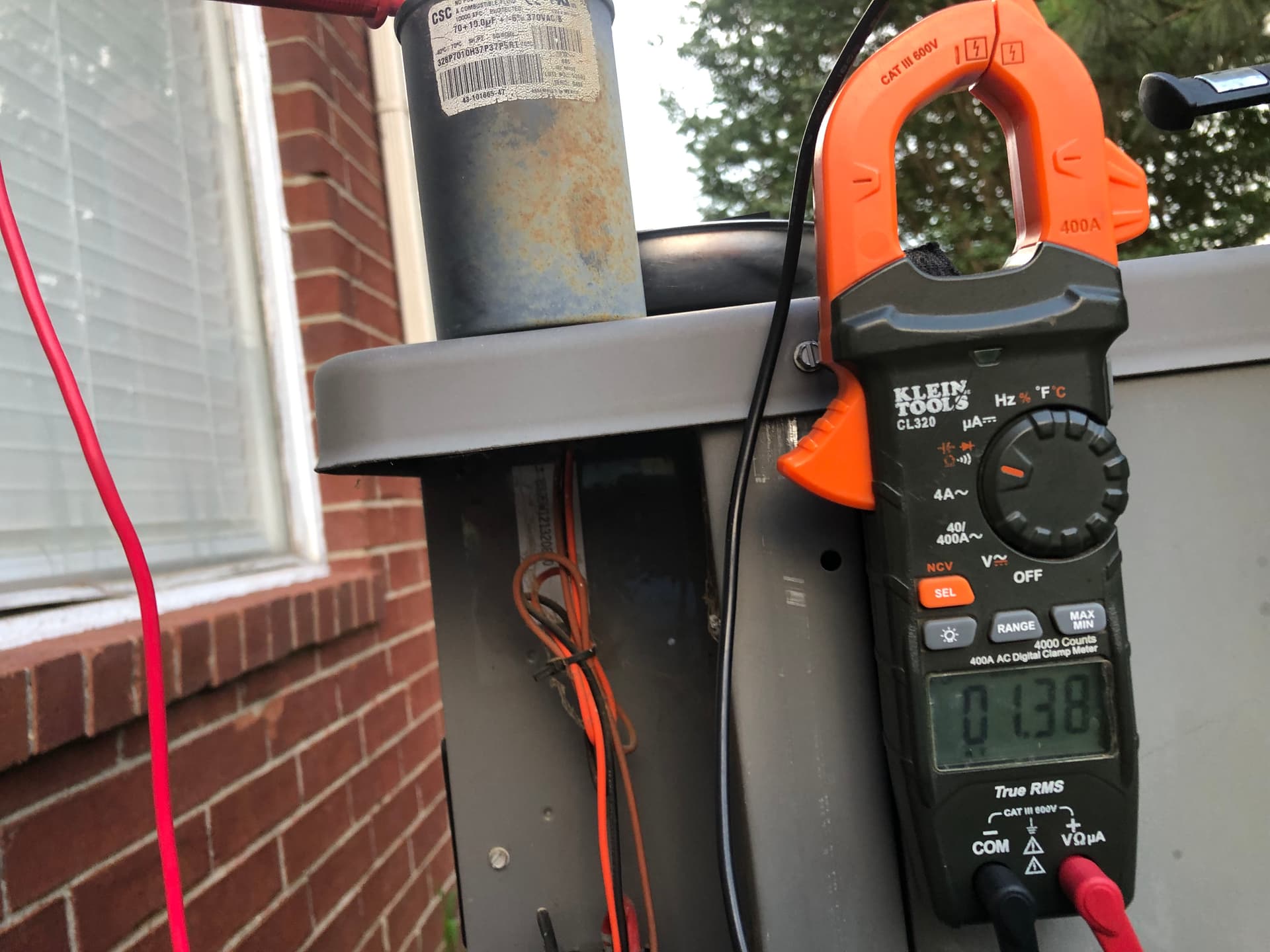
Inside the air handler, we found a low-voltage wire that had failed. That's a small wire - easy to overlook if you don't know what you're looking for - but it controls communication between the thermostat and the system. No signal, no cooling. We tracked it down, made the repair, and moved on to the outdoor unit. The capacitor was heavily corroded and worn out. A bad capacitor means the compressor and fan motor can't start properly, which kills cooling fast. We pulled it, tested it, and replaced it. We also swapped out the filter with a fresh Filtrete 20x25x4, which helps restore proper airflow through the system.
Three separate issues. One service call. The system was back up and cooling the way it should. This is what a thorough AC no-cooling diagnostic looks like - we don't just replace the first thing we find and call it done. We check the whole system until we know exactly what's going on.
Small parts like capacitors and low-voltage wires are cheap to fix when caught early. Ignored, they can take out bigger, more expensive components over time. If your AC is running but not keeping up, or if it's completely stopped cooling, that's the system telling you something needs attention.