AC Refrigerant Leak Found Fixed and Recharged Right
When an AC system stops keeping up, most people assume it just needs refrigerant topped off. But adding refrigerant to a leaking system without fixing the leak first is like filling a flat tire with air and driving away. It buys you maybe a week - then you're right back to a hot house and a struggling system.
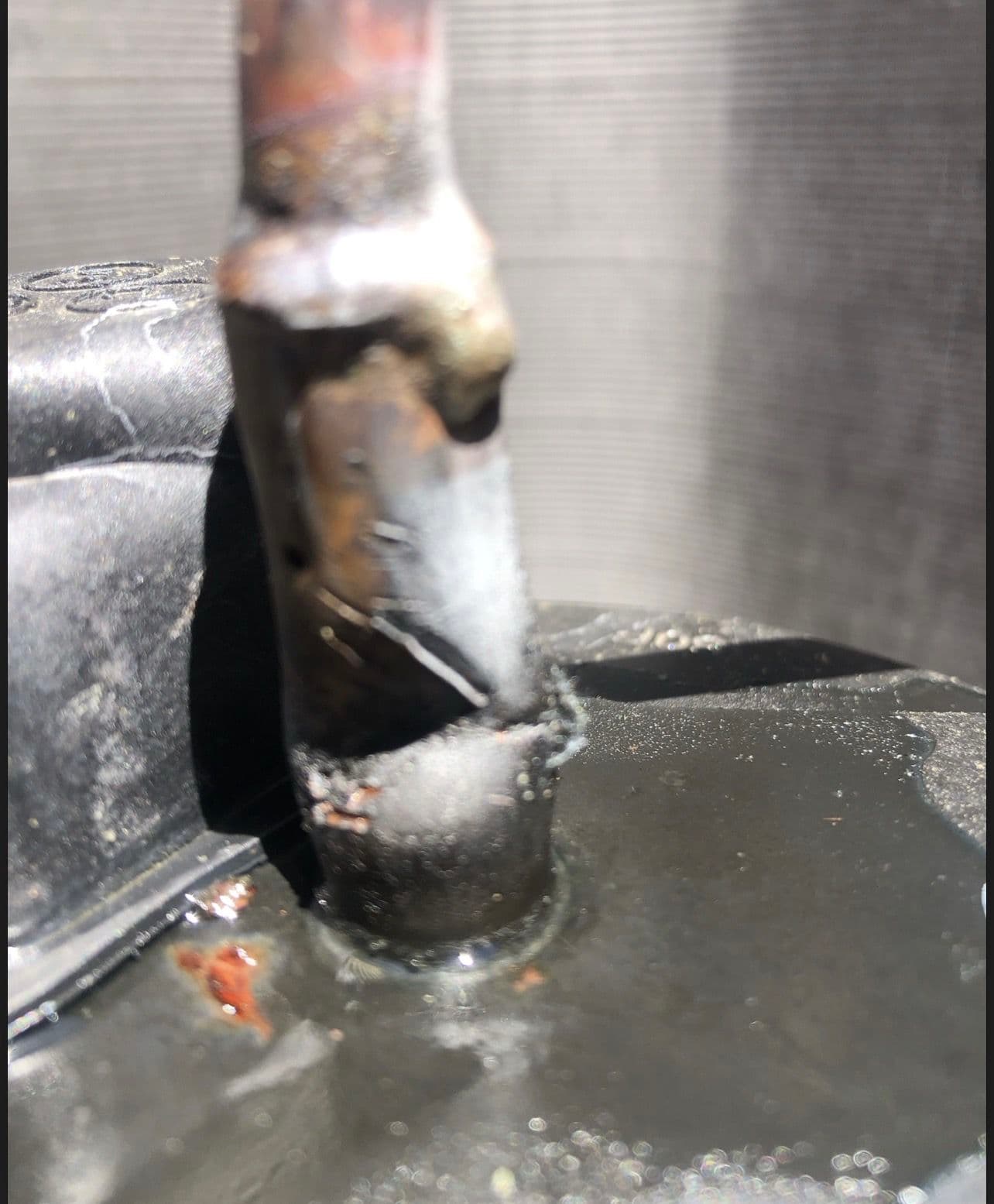
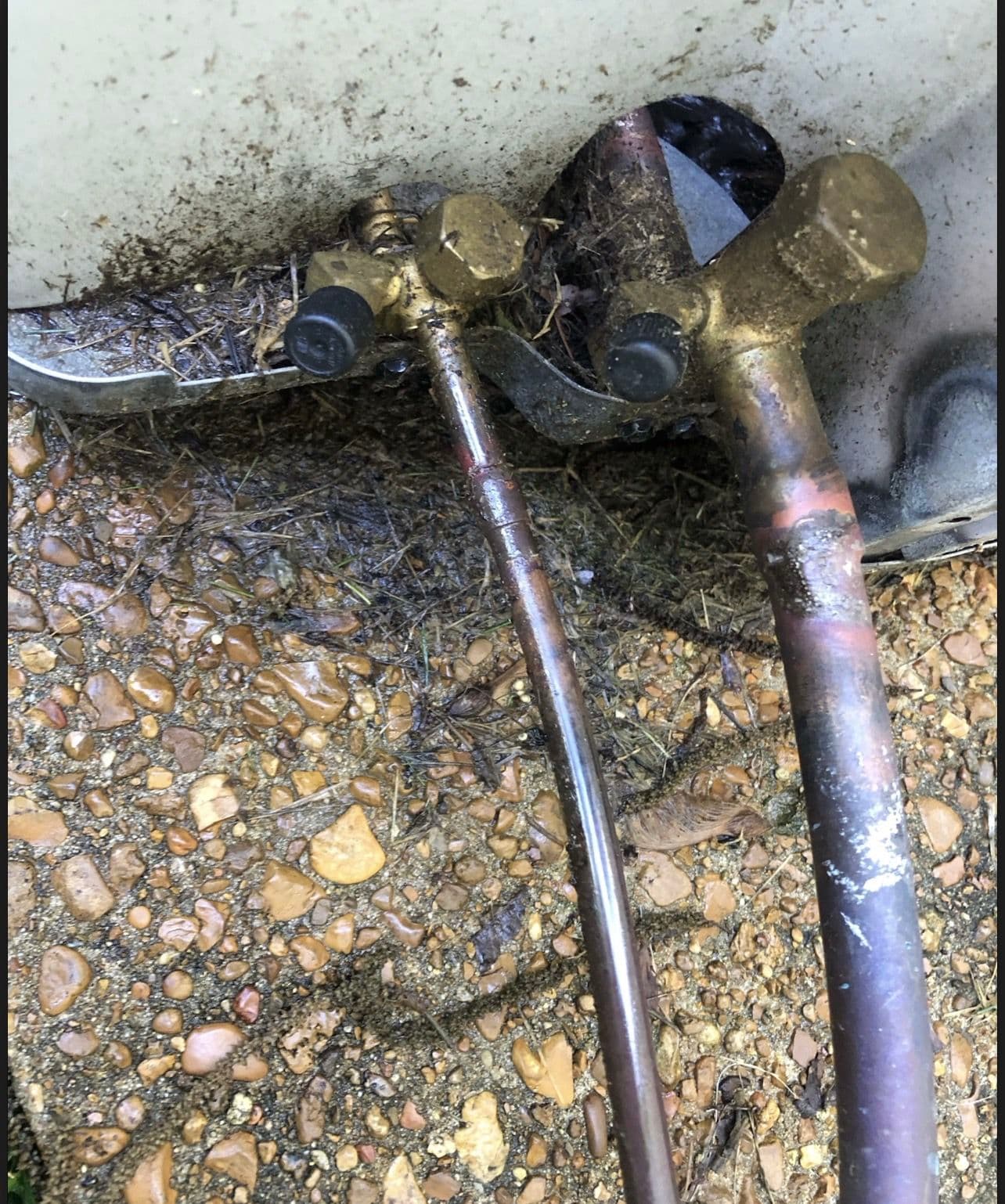
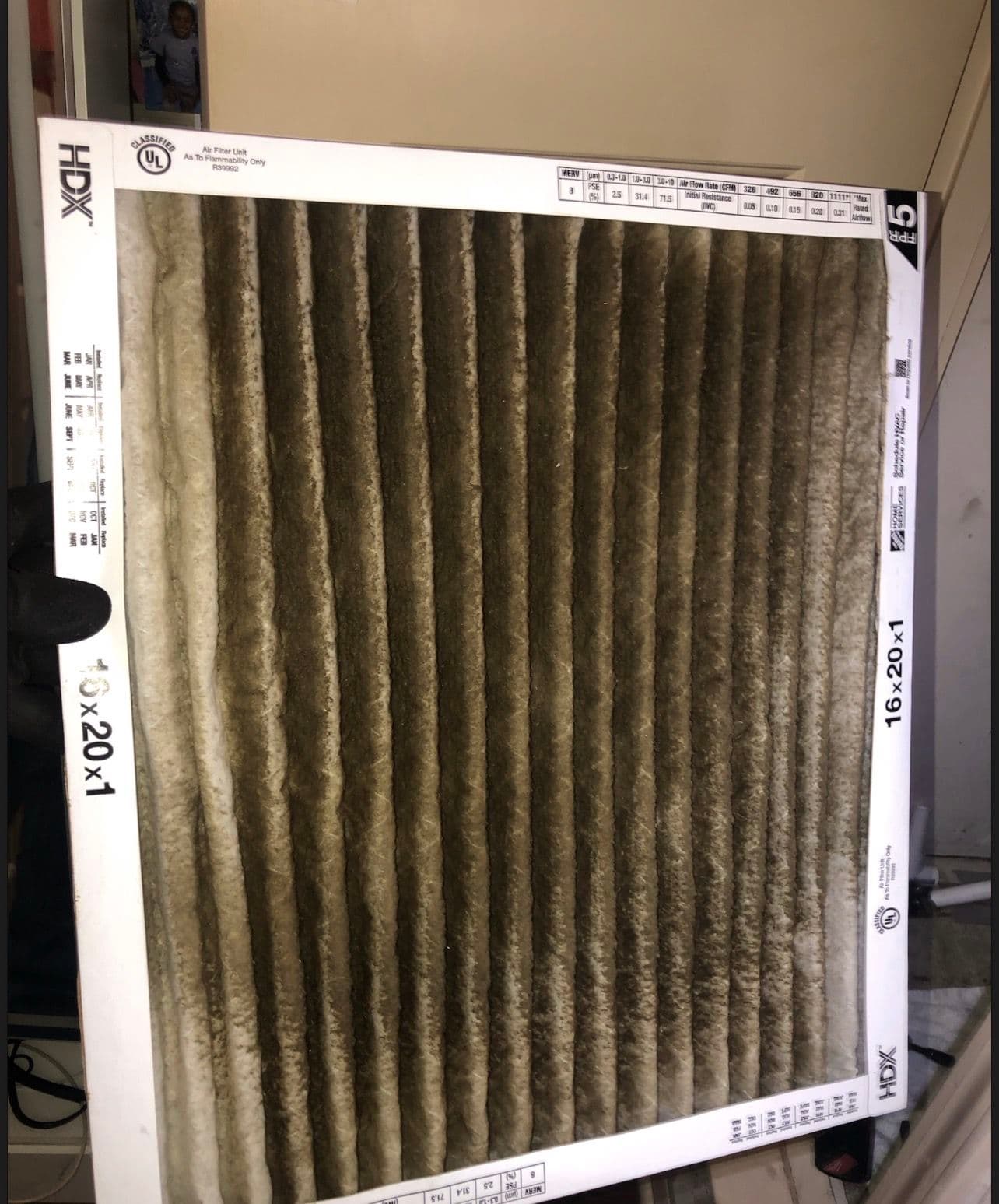
Here's what we were working with on this one. The refrigerant line connection showed clear signs of a leak - oil residue, frosting, and corrosion right at the joint. That kind of buildup doesn't happen overnight. The system had likely been running low for a while, working harder than it should and never quite hitting the temps on the thermostat. We also pulled a 16x20 filter that was completely choked with dust and debris - that kind of restriction strangles airflow and makes a refrigerant problem even worse.
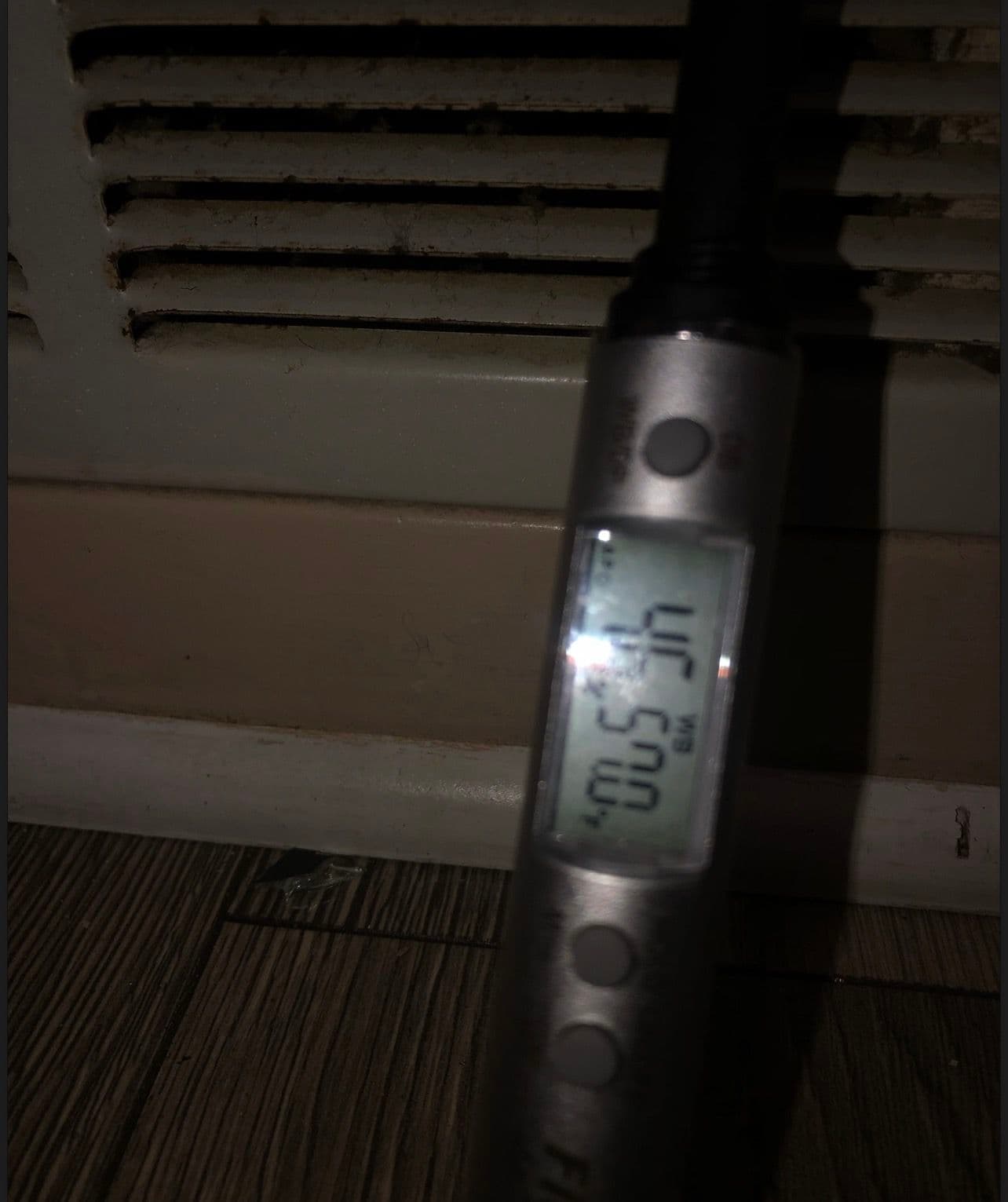
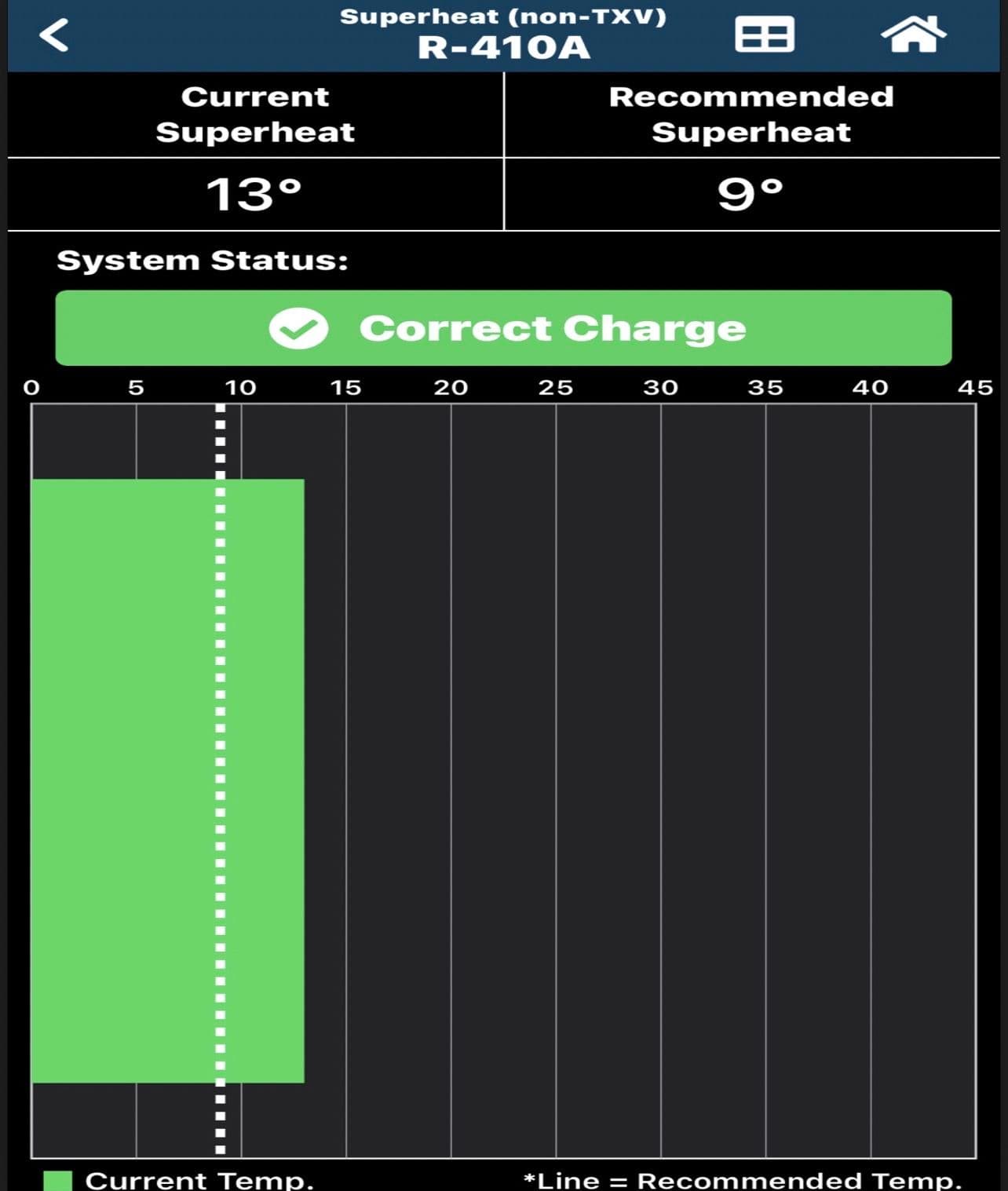
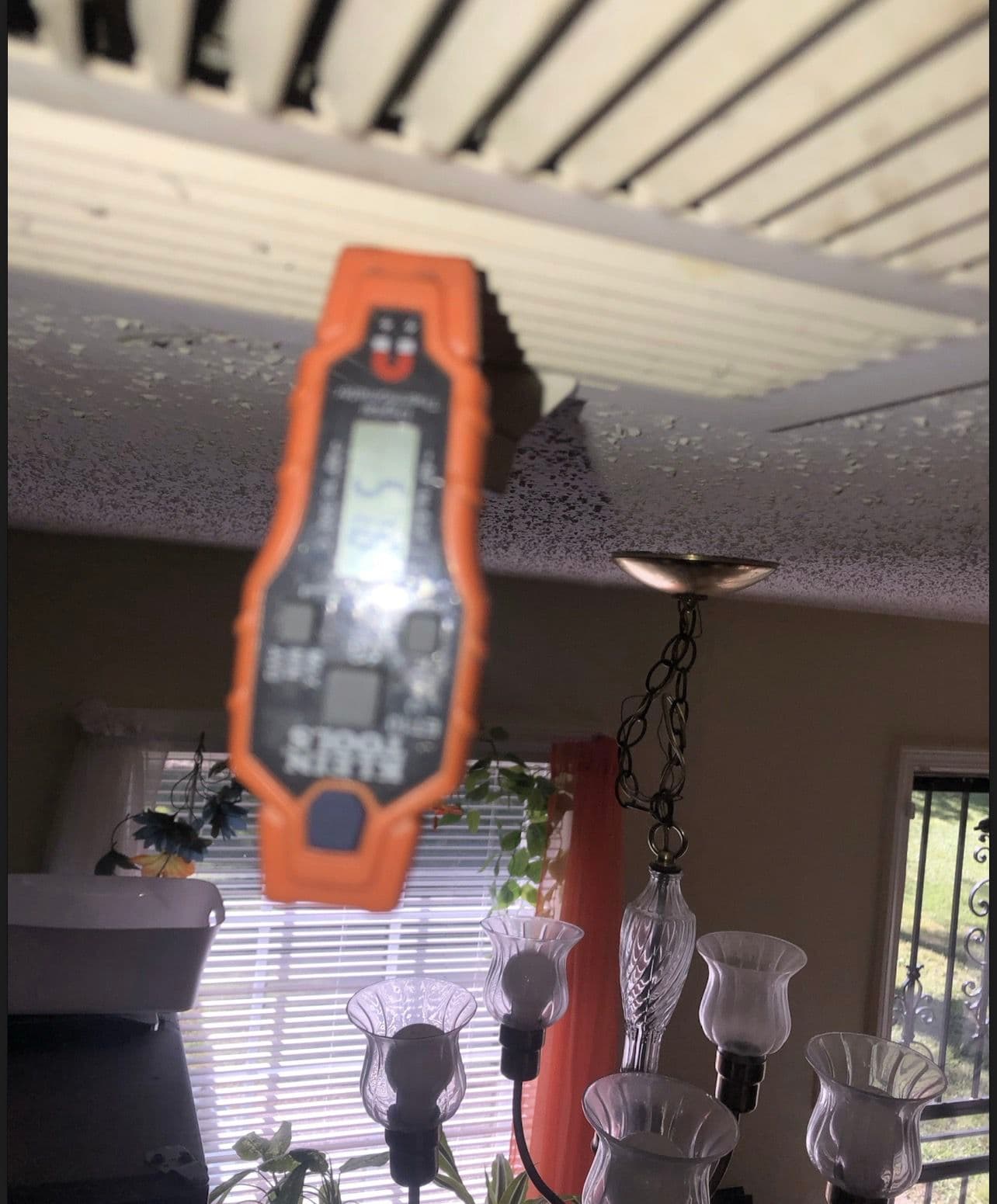
Once we tracked down the leak and made the repair, we recharged the system and verified the charge using superheat readings for the R-410A refrigerant. Our diagnostic tools confirmed the system hit correct charge status, with the superheat landing right where it needed to be. That's not a guess - that's a verified result. We also used a refrigerant leak detector at the ceiling registers inside to make sure nothing else was escaping into the living space.
A low refrigerant situation is one of the sneakier HVAC problems out there. The system runs, the air feels somewhat cool, and it's easy to chalk it up to a hot day. But the compressor is taking on extra stress every single time it cycles. Left alone, that kind of wear adds up fast and can turn a repair call into a full replacement conversation.
This is exactly the kind of job where a thorough AC diagnostic makes the difference. Finding the leak, fixing it properly, verifying the charge - that's the full picture. If your system is running constantly but your home just won't cool down, that's a sign worth paying attention to.