AC Repair on an Older American Standard That Stopped Cooling
When a home's AC stops keeping up, the first thing we do is run a full diagnostic. No guessing. We go straight to the source - checking the electrical components, wiring connections, and the overall condition of the unit before anything else.
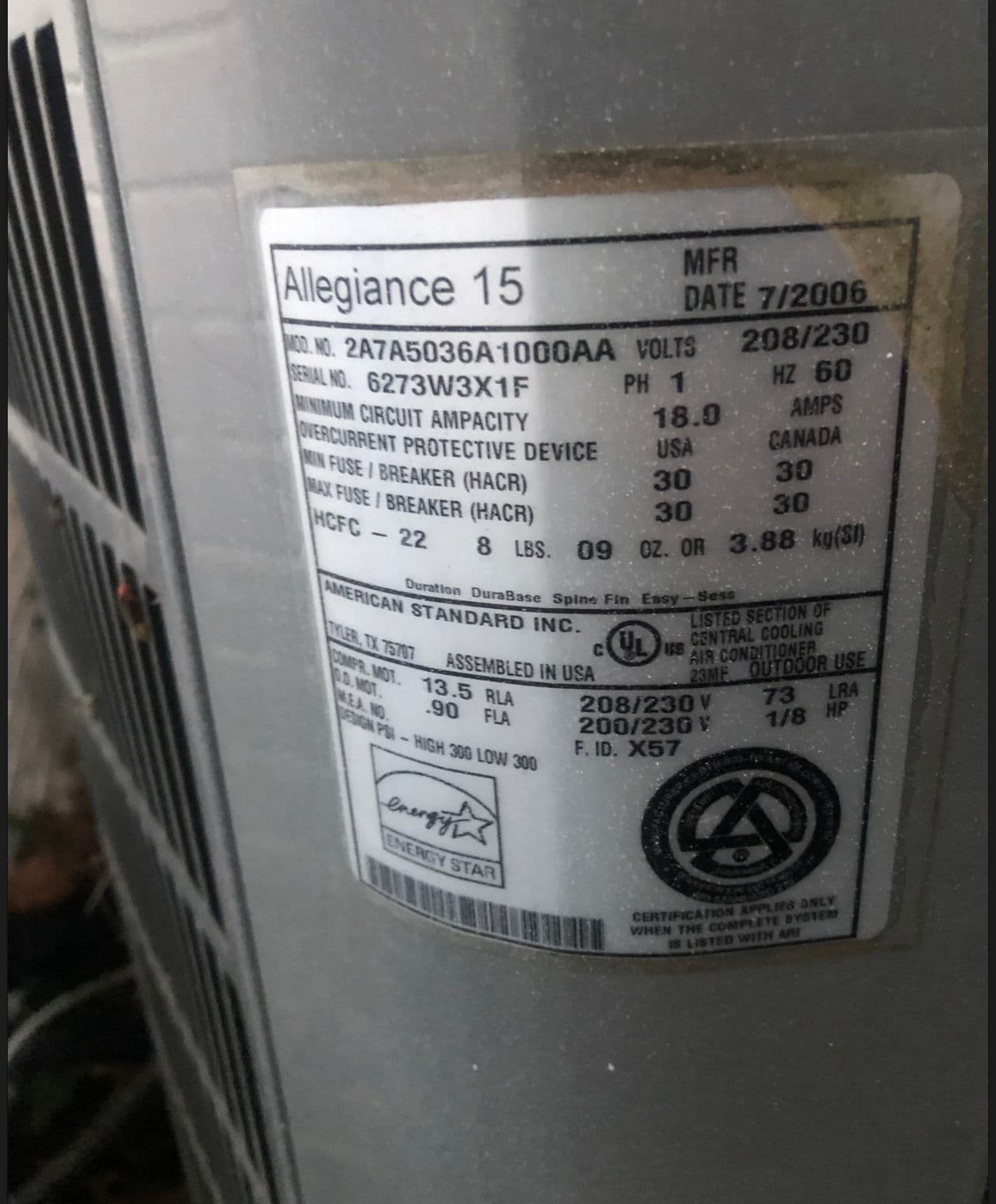
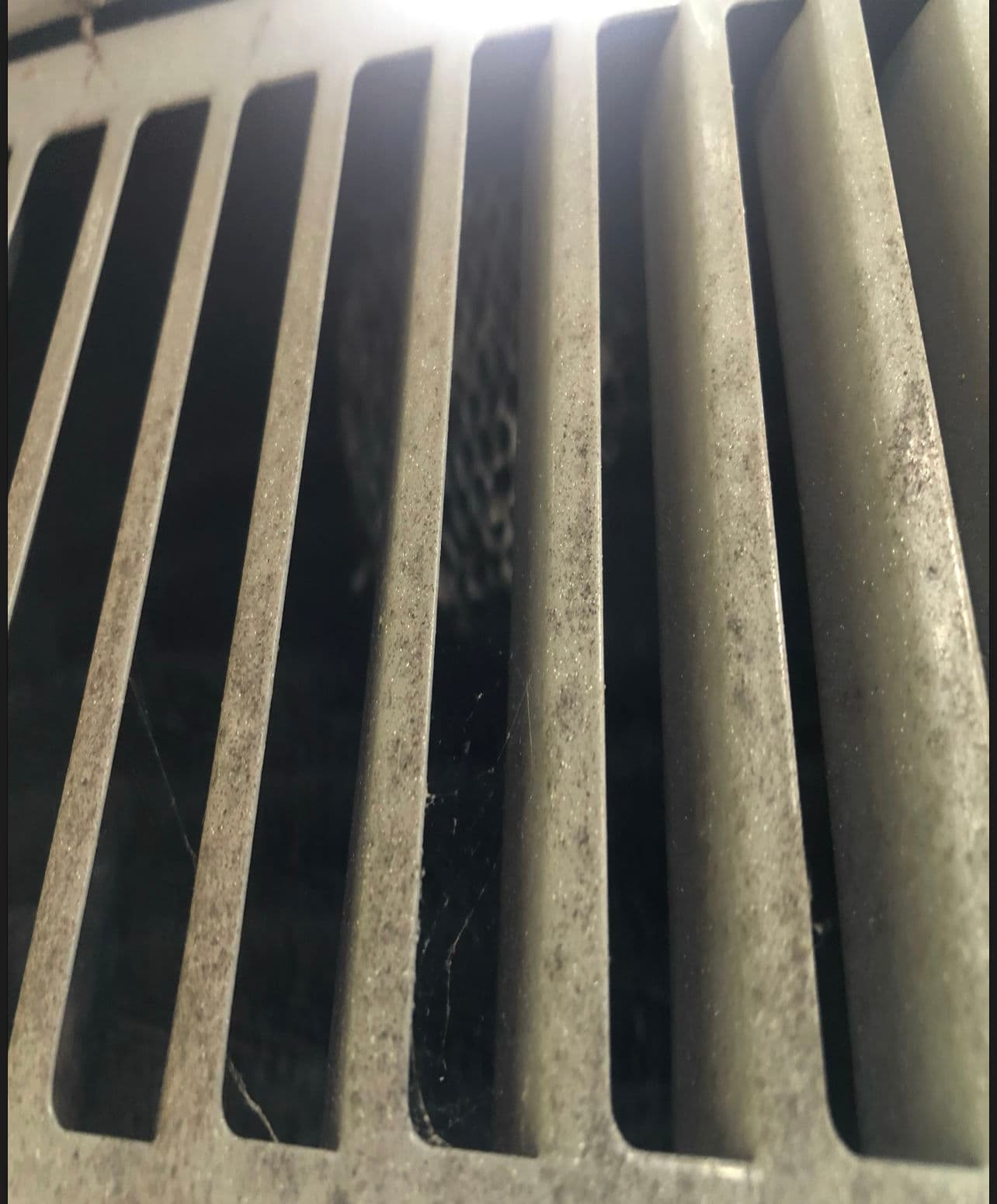
This was an older American Standard Allegiance 15 unit. Systems like this can still run reliably with the right attention, but when something goes wrong inside the electrical panel of the outdoor unit, it tends to show up fast. Warm air, the system short-cycling, or just not responding the way it should - those are the signs that something inside needs a closer look.
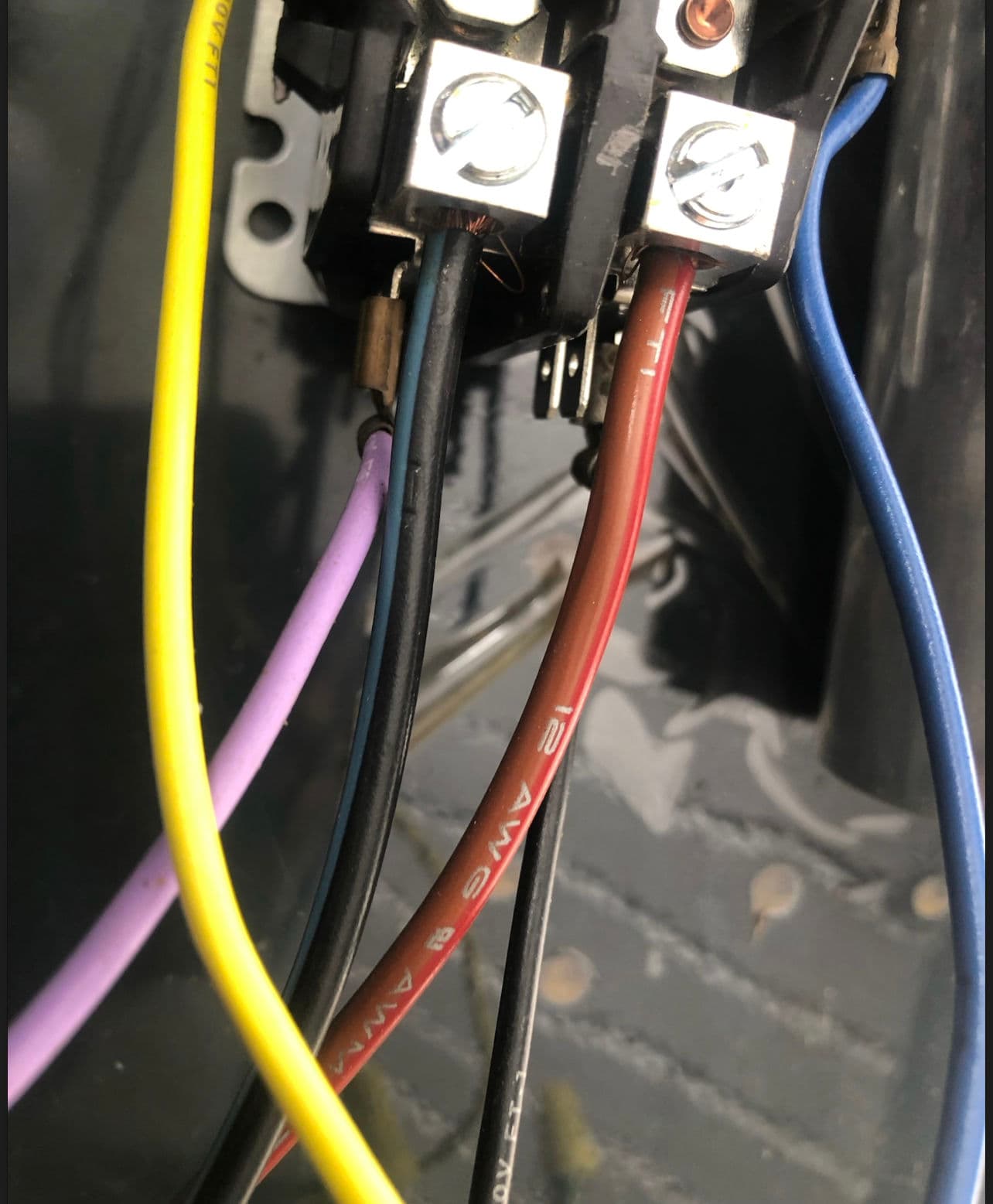
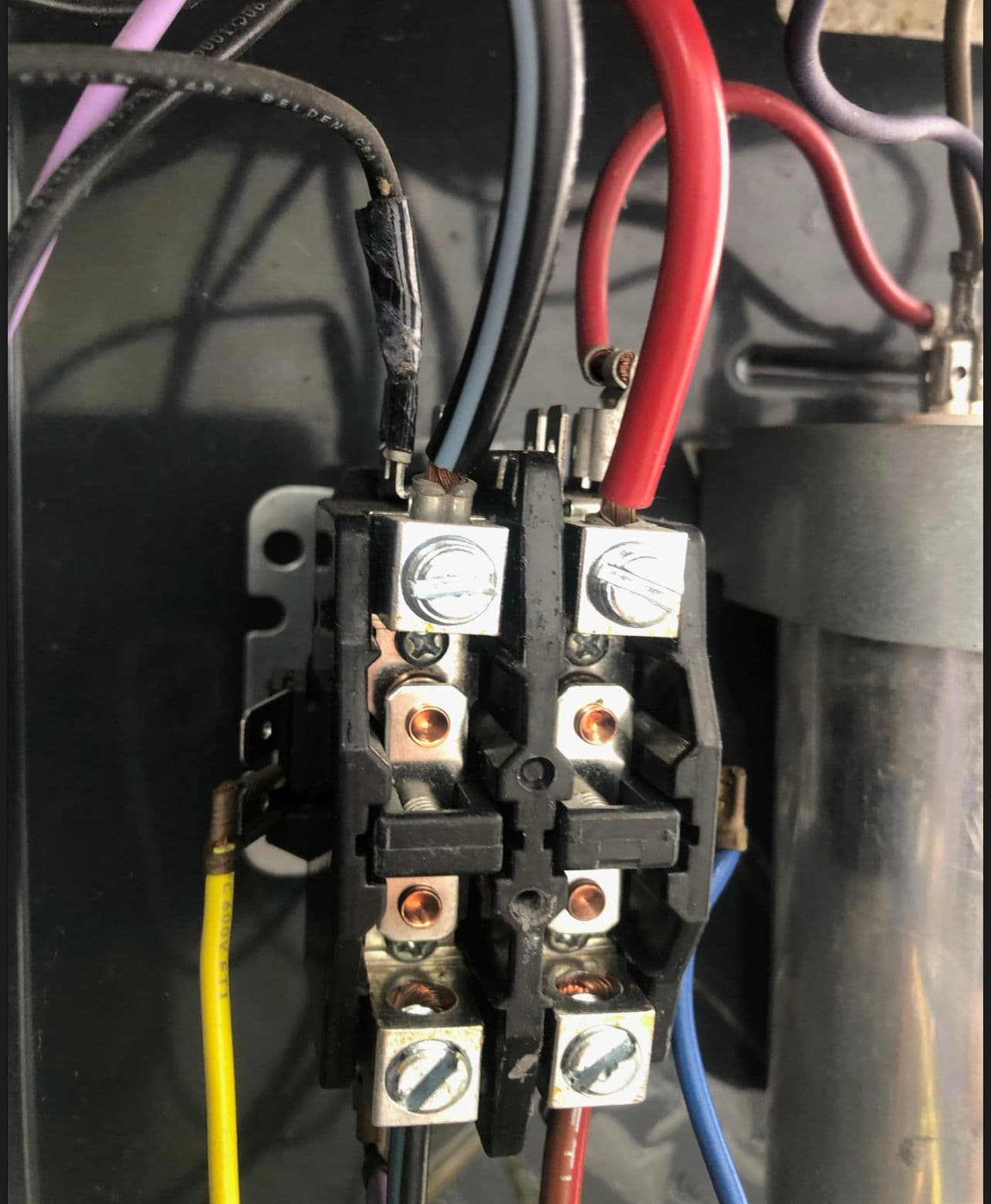
What we found was a contactor issue. The contactor is basically the switch that tells your compressor and condenser fan to kick on when the thermostat calls for cooling. When it starts to fail, the system can't complete the circuit it needs to run properly. That's a common culprit on units that have been running for several years, and it's exactly the kind of thing our AC no-cooling diagnostic is designed to catch quickly.
Once we identified the problem, the repair was straightforward. We got the wiring sorted out and the system back up and running so the home could start cooling down again. Catching something like this early - before it takes out a compressor or causes more serious damage - is always the better outcome for the homeowner.
Older units need a trained eye. If your AC is acting up and you're not sure what's going on, the worst move is to let it sit. The longer a struggling system runs without a fix, the more it risks turning a simple repair into a much bigger expense.