- Home
- Projects
- AC Tune-Up Done Right - Return Plenum Cleaning, Coil Cleaning and Refrigerant Check in Memphis
AC Tune-Up Done Right - Return Plenum Cleaning, Coil Cleaning and Refrigerant Check in Memphis
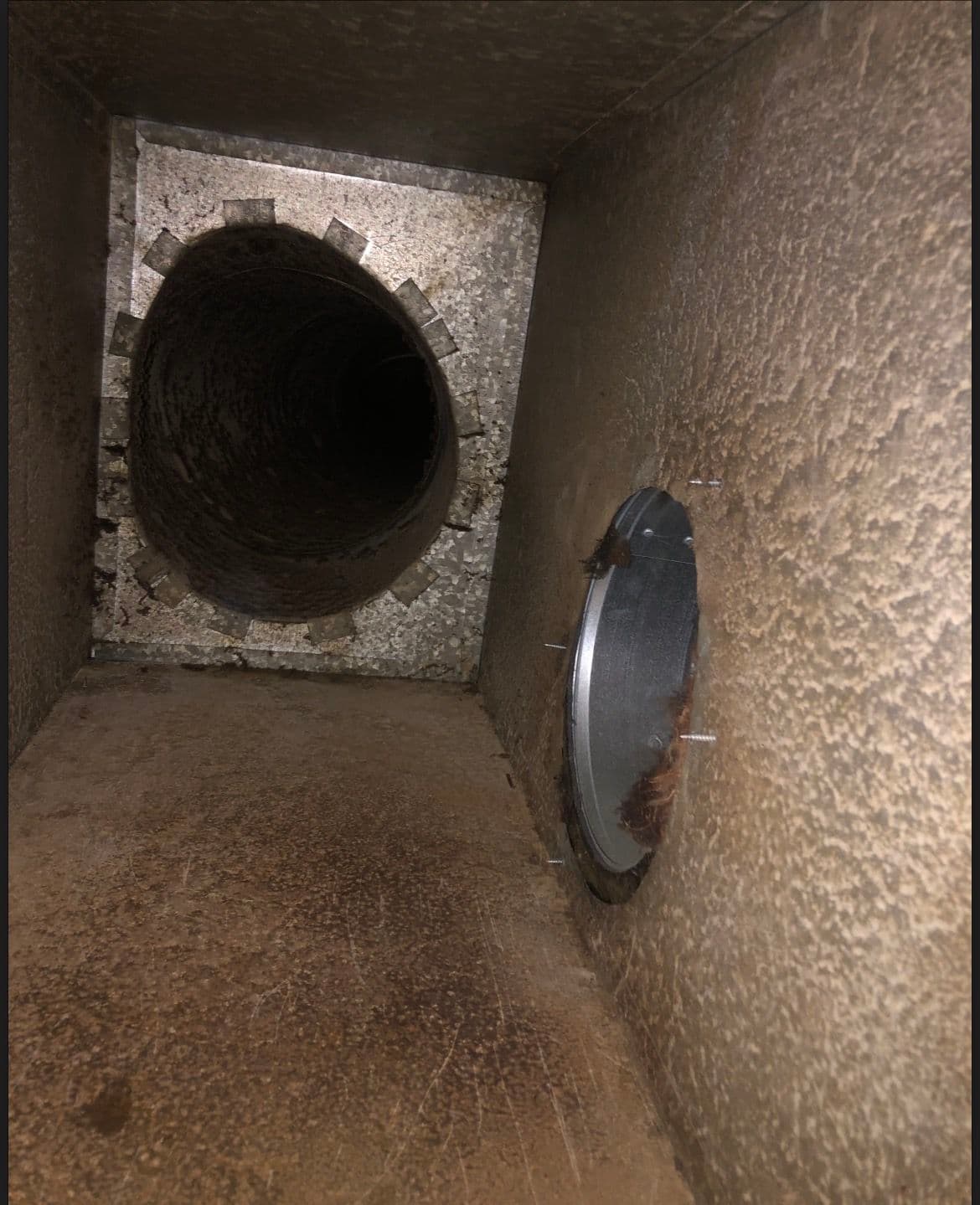
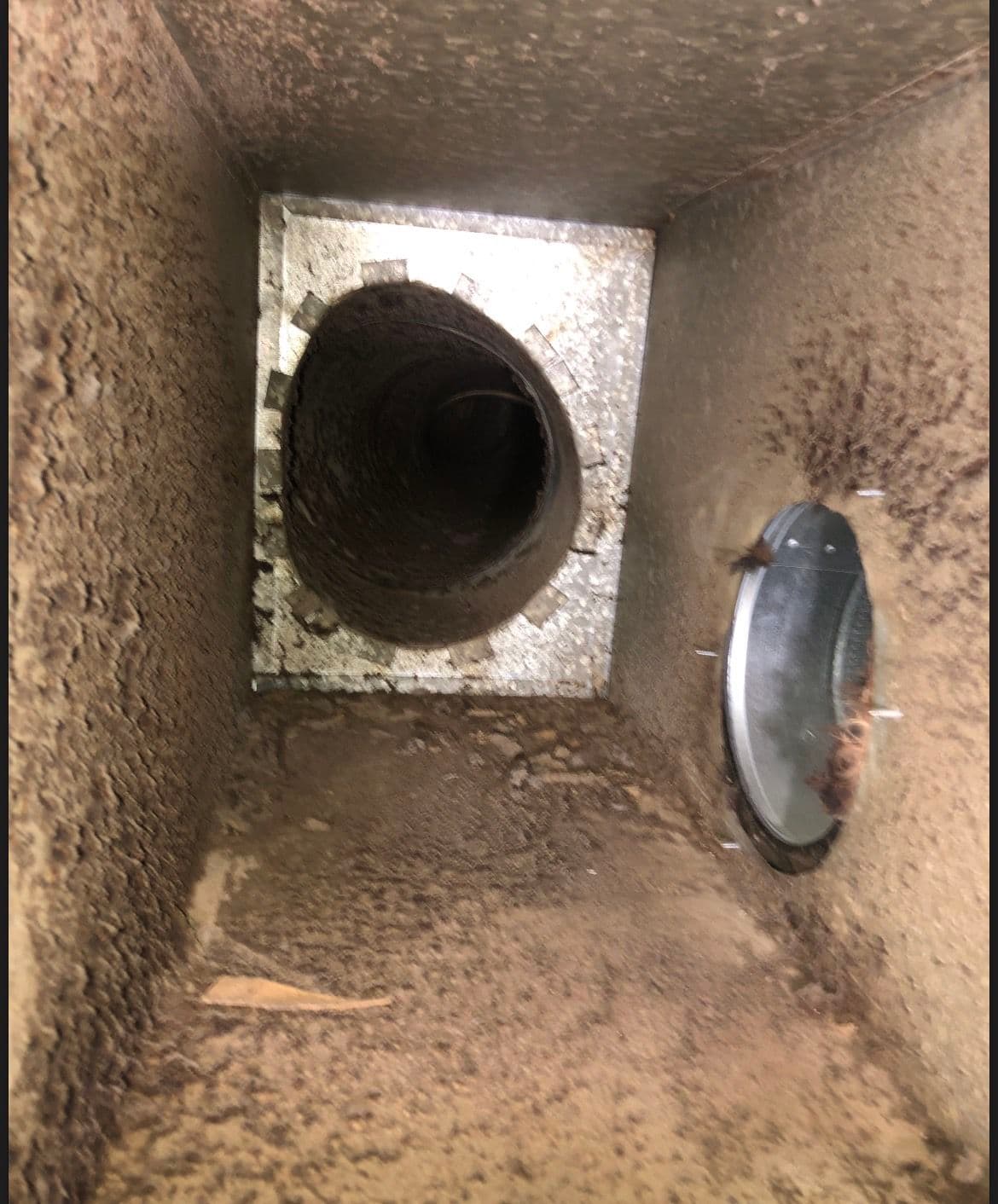
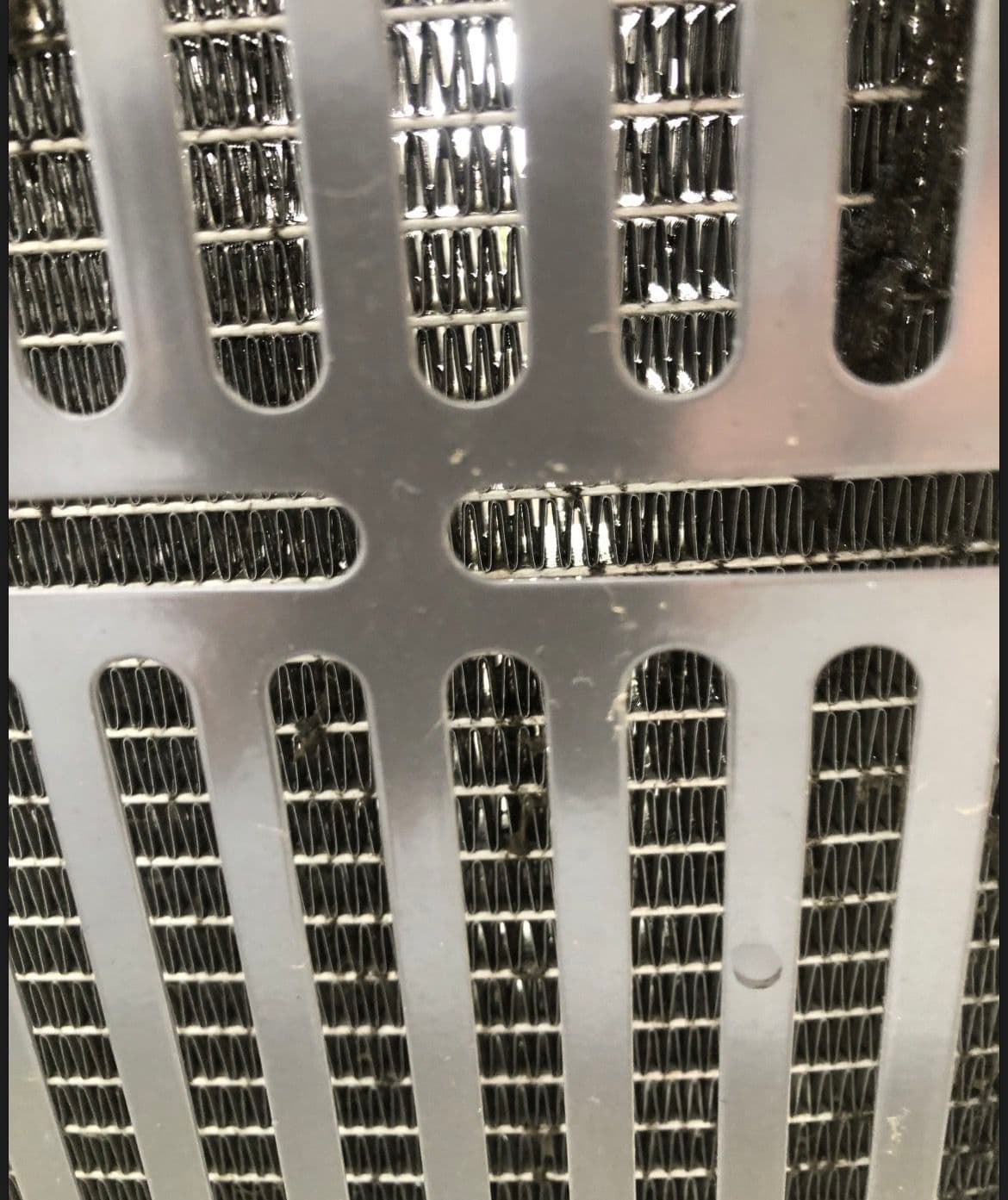
Most AC systems that aren't cooling well don't have a broken part - they just haven't been maintained. Dust and debris build up over time in places most people never think to check, and the system ends up working twice as hard to do half the job. That's exactly what we were dealing with here.
We started with the return plenum. The amount of buildup packed inside the walls of that duct was significant. That kind of debris restricts airflow before it even reaches the air handler, which means the whole system is already fighting an uphill battle. Getting that cleaned out is one of the highest-impact steps you can take for both comfort and efficiency.
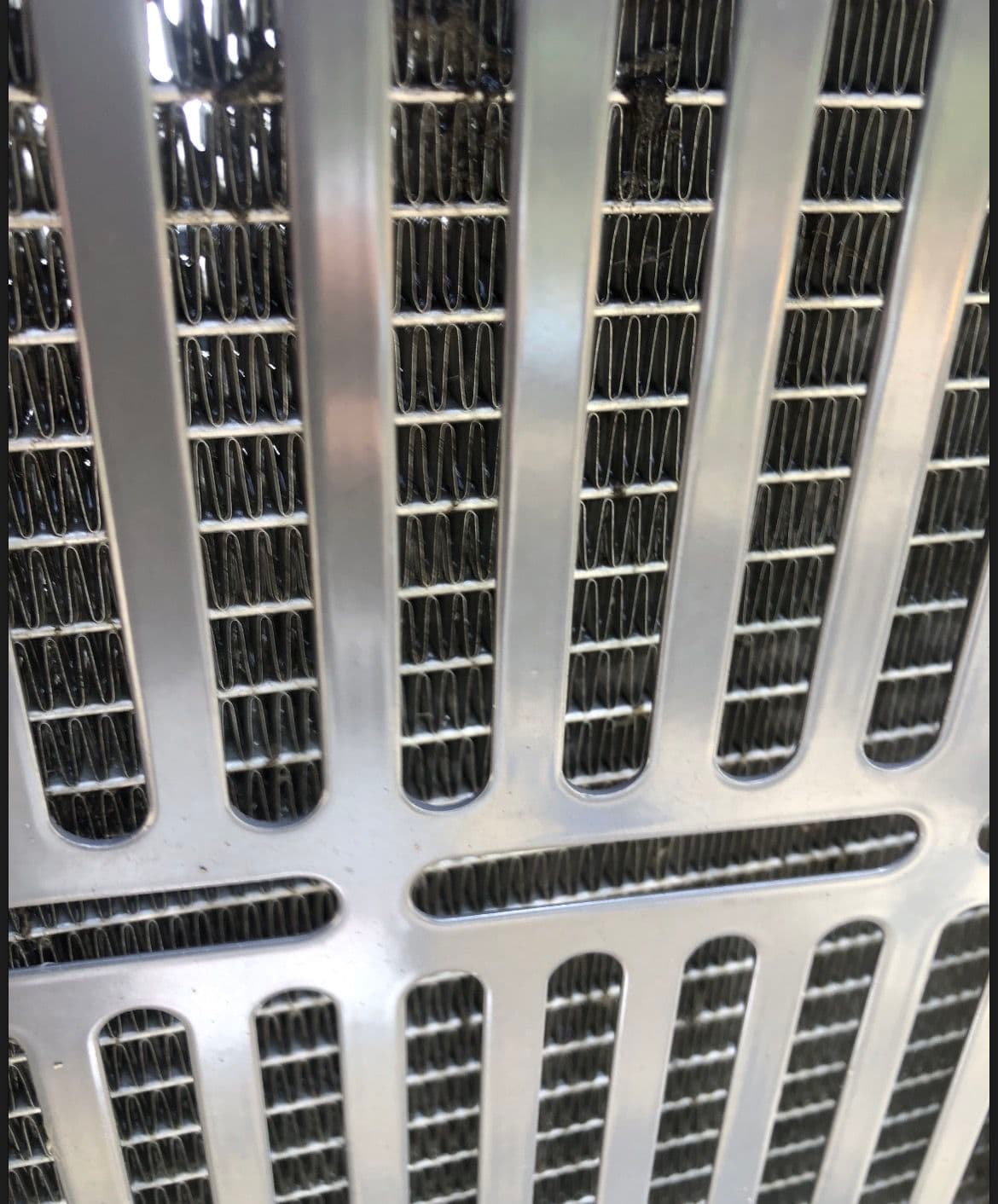
Next was the condenser coil. The before-and-after speaks for itself - thick grime caked into the fins, blocking the coil's ability to release heat. A dirty condenser coil doesn't just hurt efficiency, it puts real strain on the compressor. Once we cleaned it down, the coil could breathe again and do its job the way it's designed to.
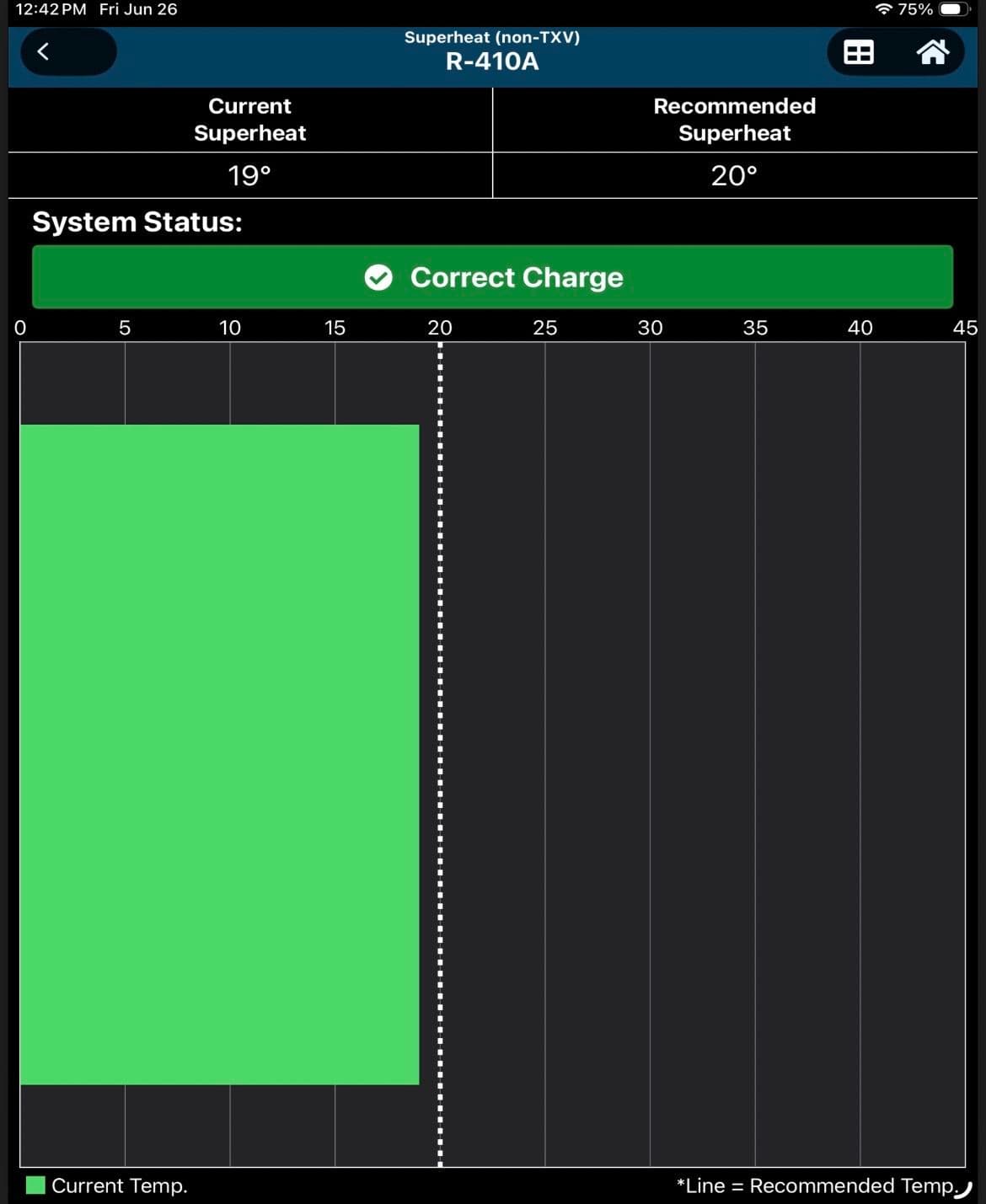
After the cleaning was done, we ran a full diagnostic on the refrigerant charge. The system is running R-410A, and our superheat reading came in at 19 degrees against a recommended target of 20 degrees - essentially dialed in. That kind of precision matters. Even a slightly off refrigerant charge can cause the system to short-cycle, freeze up, or wear out components ahead of schedule.
A good tune-up isn't glamorous, but it's the difference between a system that coasts through summer and one that breaks down when you need it most. If yours hasn't been looked at in a while, this is exactly the kind of service that keeps small problems from turning into expensive ones.