Dirty Condenser Coils and a Weak Capacitor Are Killing Your AC
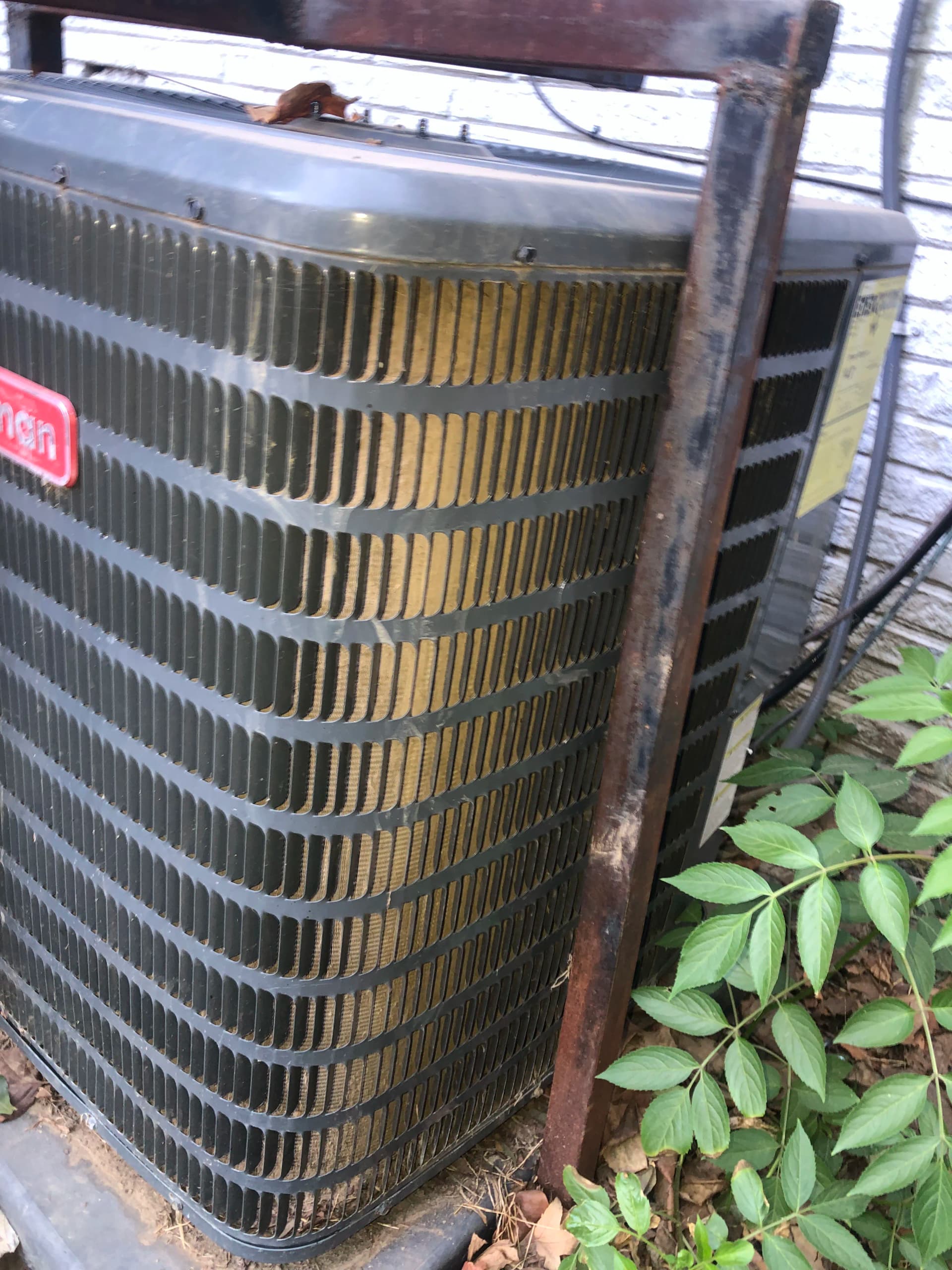
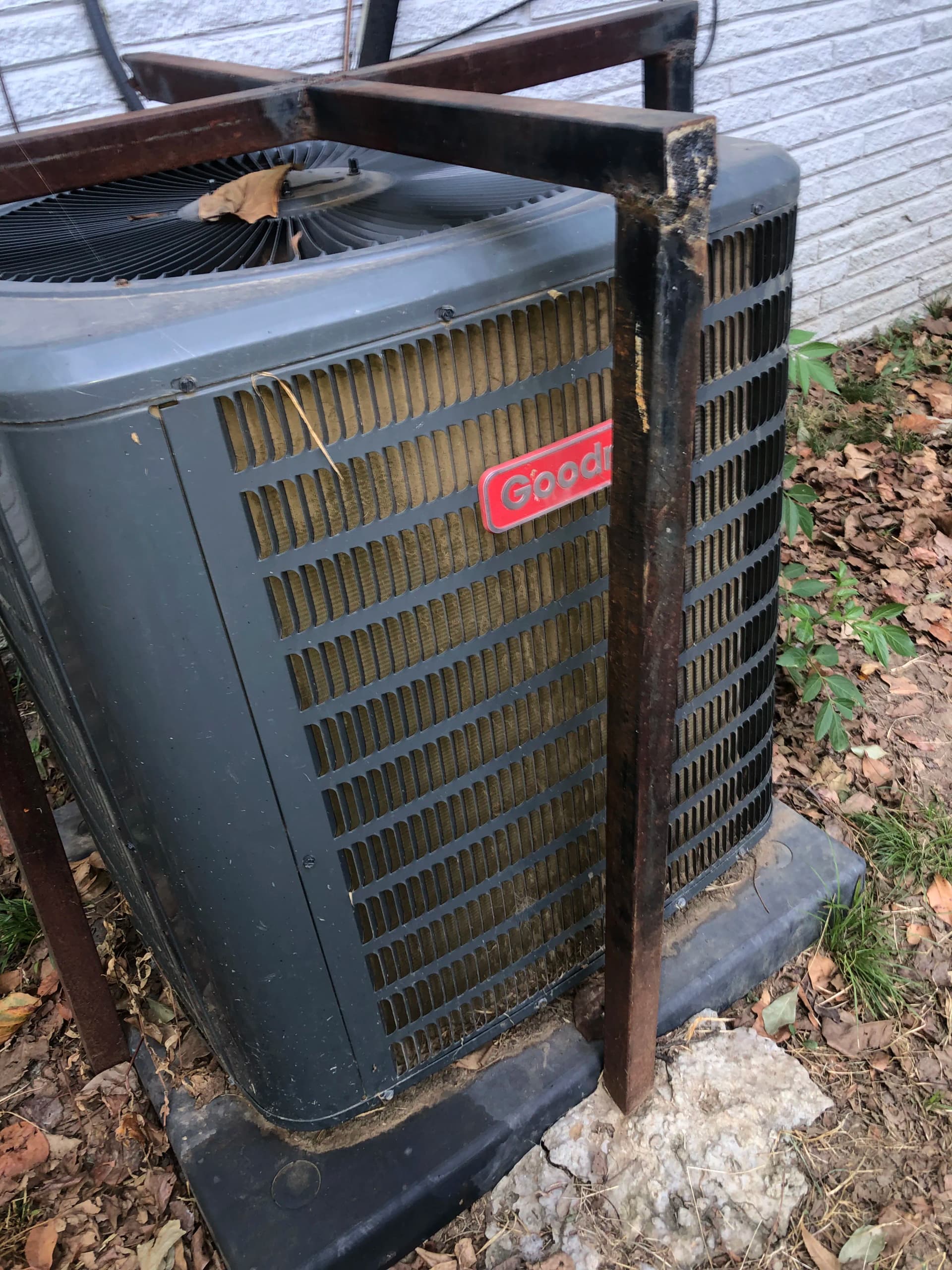
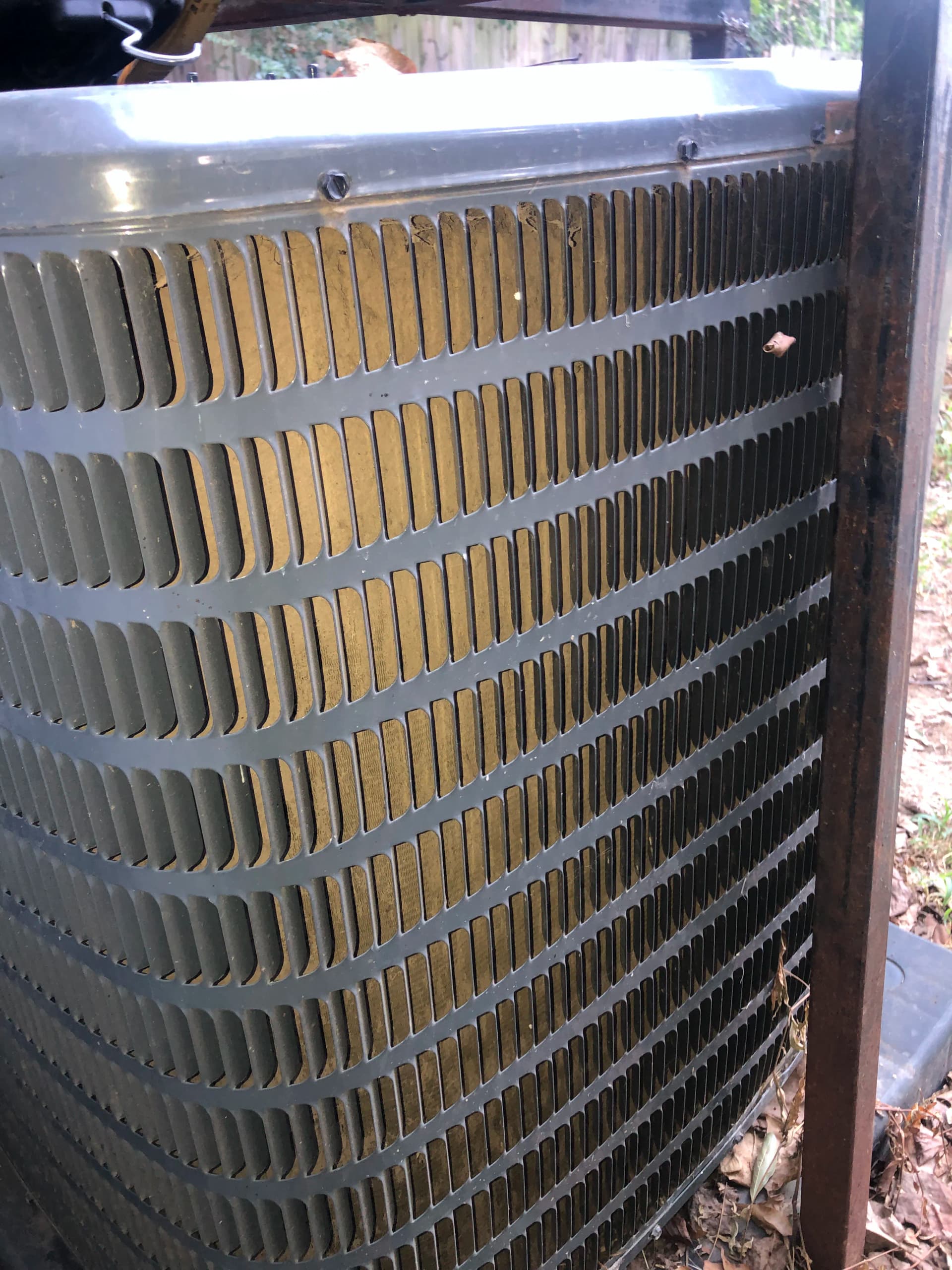
Most people never think about their outdoor AC unit until something goes wrong. Out of sight, out of mind. But what's happening outside - inside those coils and components - directly affects how comfortable your home is and how much you're paying to keep it that way.
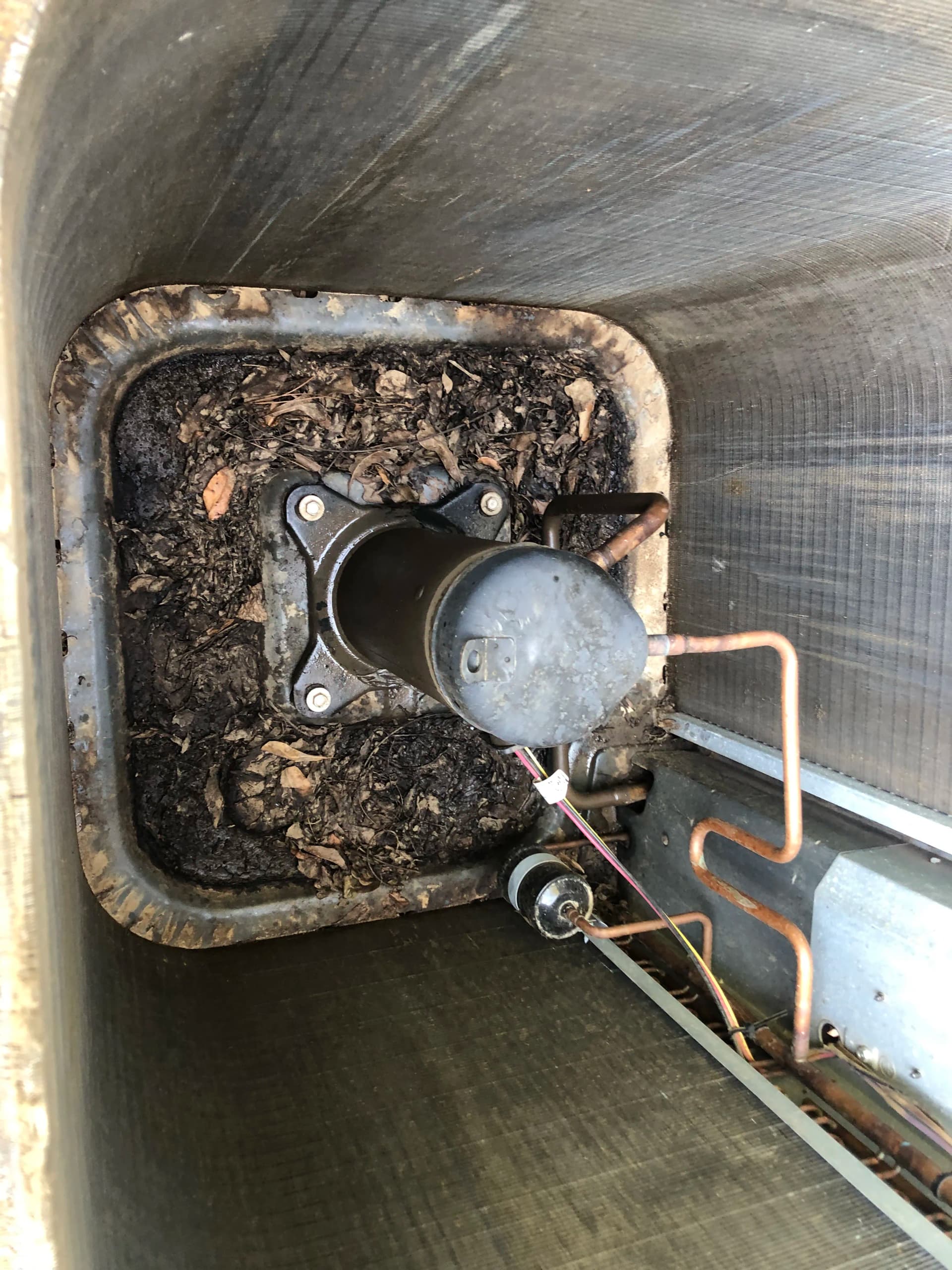
Here's what we were working with: condenser coils packed with dirt, dust, and debris across both units. When coils get that clogged, the system can't release heat properly. So it runs longer, works harder, and still can't keep up. That's not just uncomfortable - it's expensive. A dirty condenser is one of the most common reasons we see high energy bills and weak cooling complaints.
On top of the coil buildup, the dual capacitor was weak. The capacitor is what gives the compressor and fan motor the jolt they need to start and keep running. When it starts to fail, the system strains every single time it cycles on. Left unchecked, that kind of stress leads to compressor failure - and that's a much bigger bill. Catching a bad capacitor during a routine AC maintenance visit is exactly the kind of thing that saves homeowners from a major repair down the road.
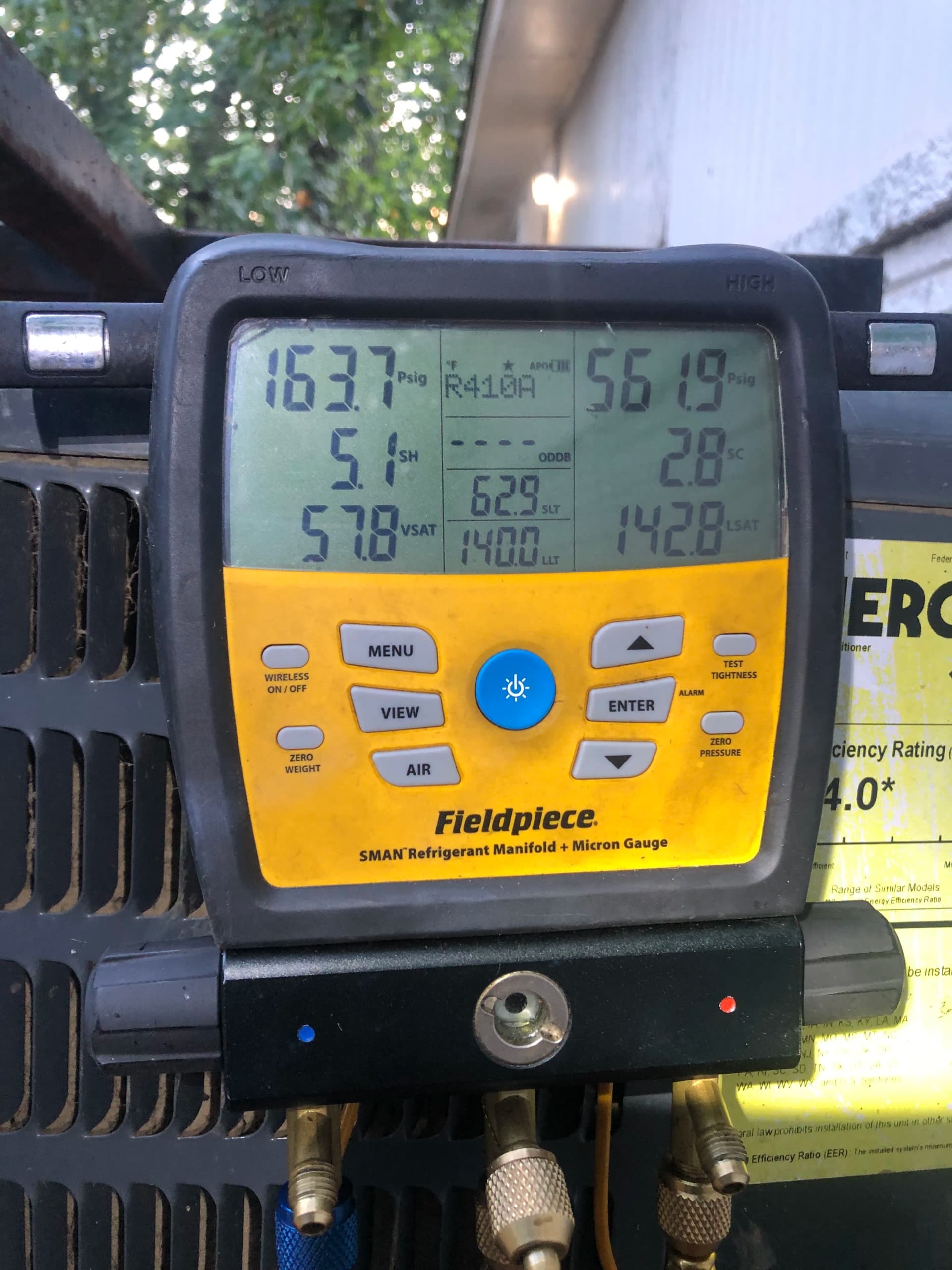
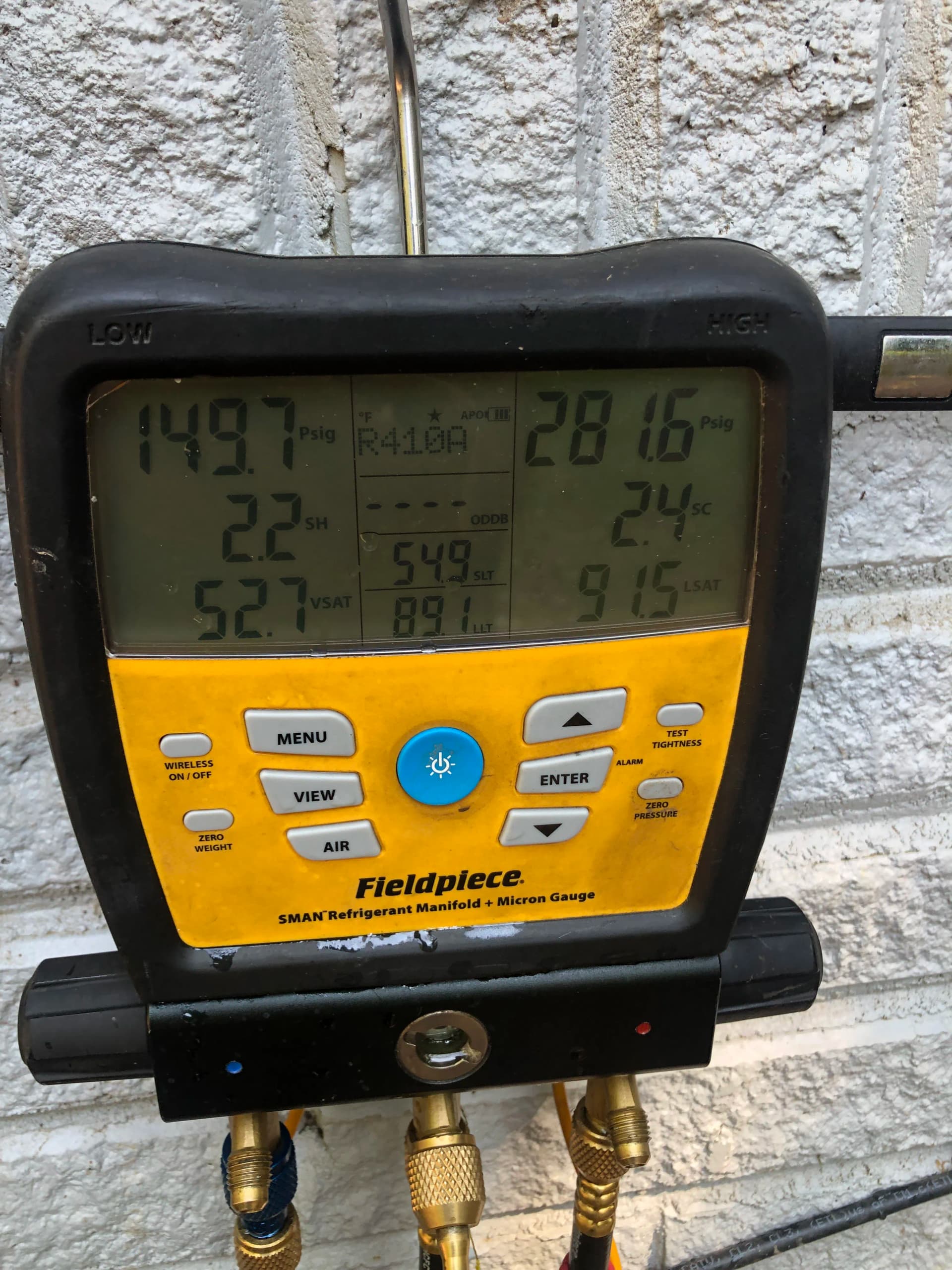
We also pulled refrigerant readings using our Fieldpiece SMAN manifold gauge on both units. This tool gives us precise pressure and temperature data so we're not guessing - we know exactly what the system is doing. It's part of doing a thorough HVAC system diagnostic instead of just a quick visual check and calling it done. The numbers tell the full story.
The inside of one unit told another story too - debris had built up around the fan motor housing at the base of the unit. That kind of accumulation traps moisture and accelerates wear. A little maintenance now goes a long way toward avoiding a no-cooling emergency later. These are the things we look for so your system isn't slowly working itself to death without you knowing it.