Frozen Lines, Dirty Coils and Low Refrigerant Fixed
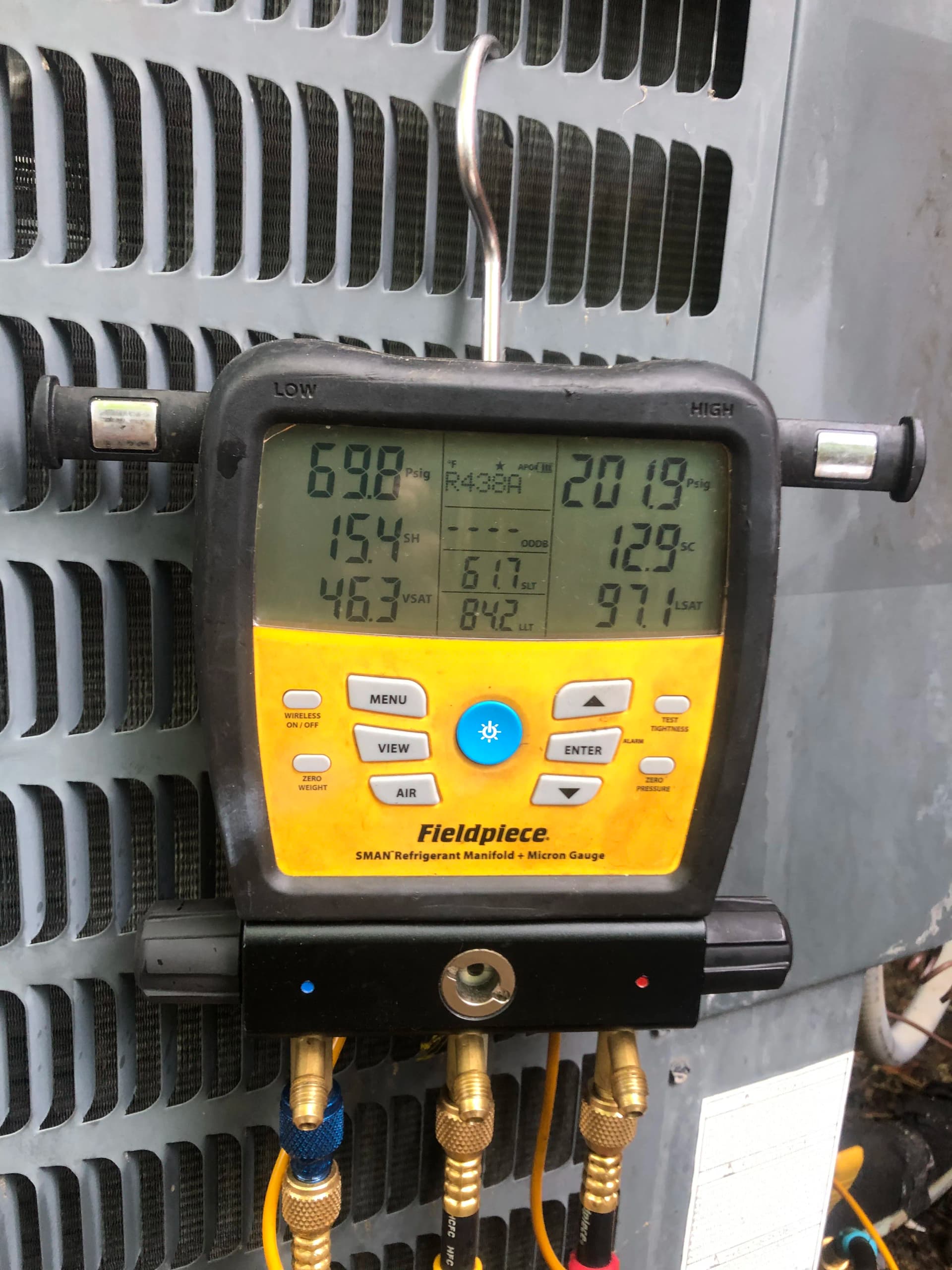
When your AC is running but not actually cooling, there are usually a few culprits worth checking - and they tend to show up together. Dirty condenser coils, low refrigerant, and frozen lines are a classic combination that pushes a system into survival mode. It runs constantly, struggles to keep up, and your energy bill climbs while your house stays warm.
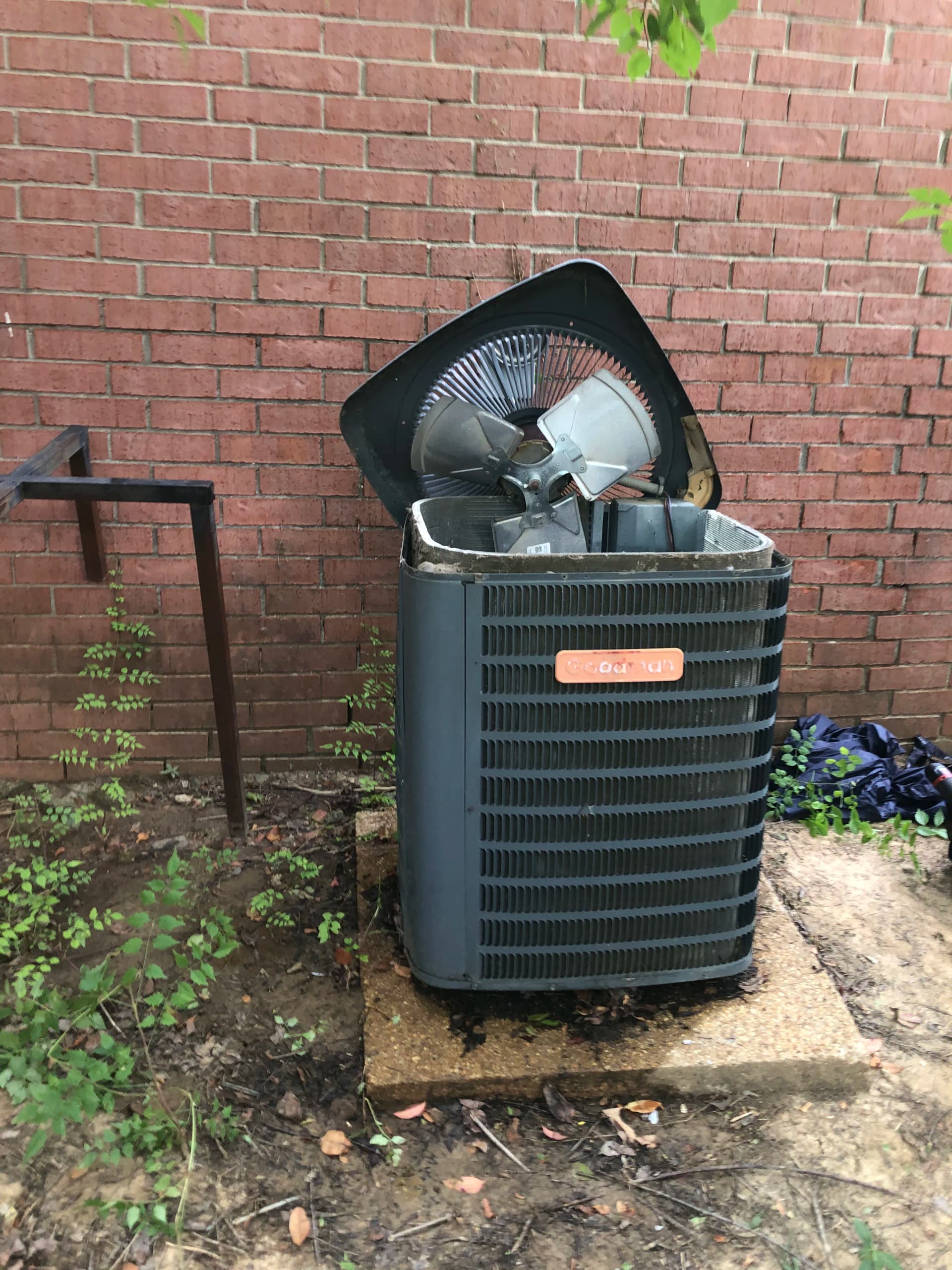
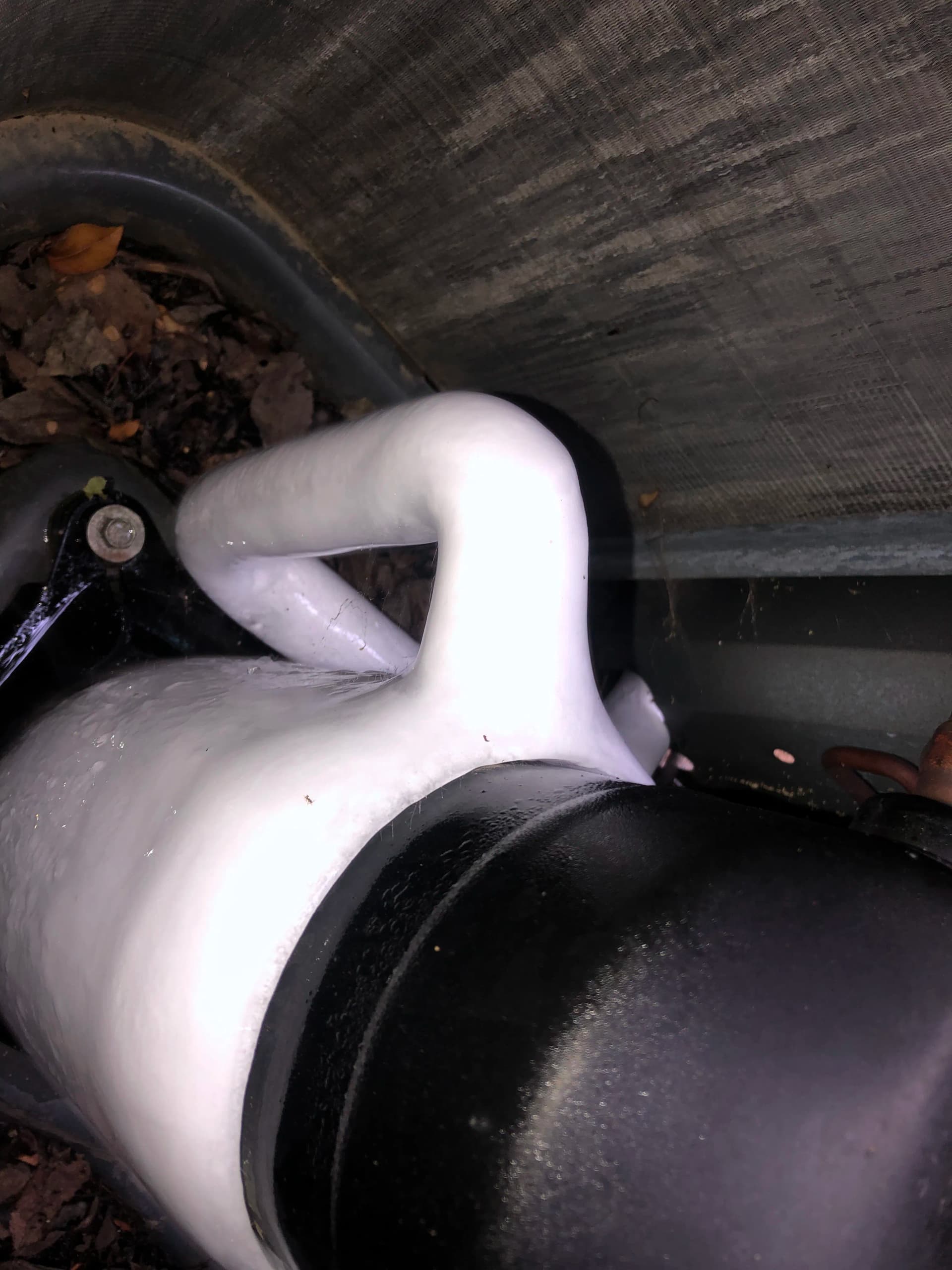
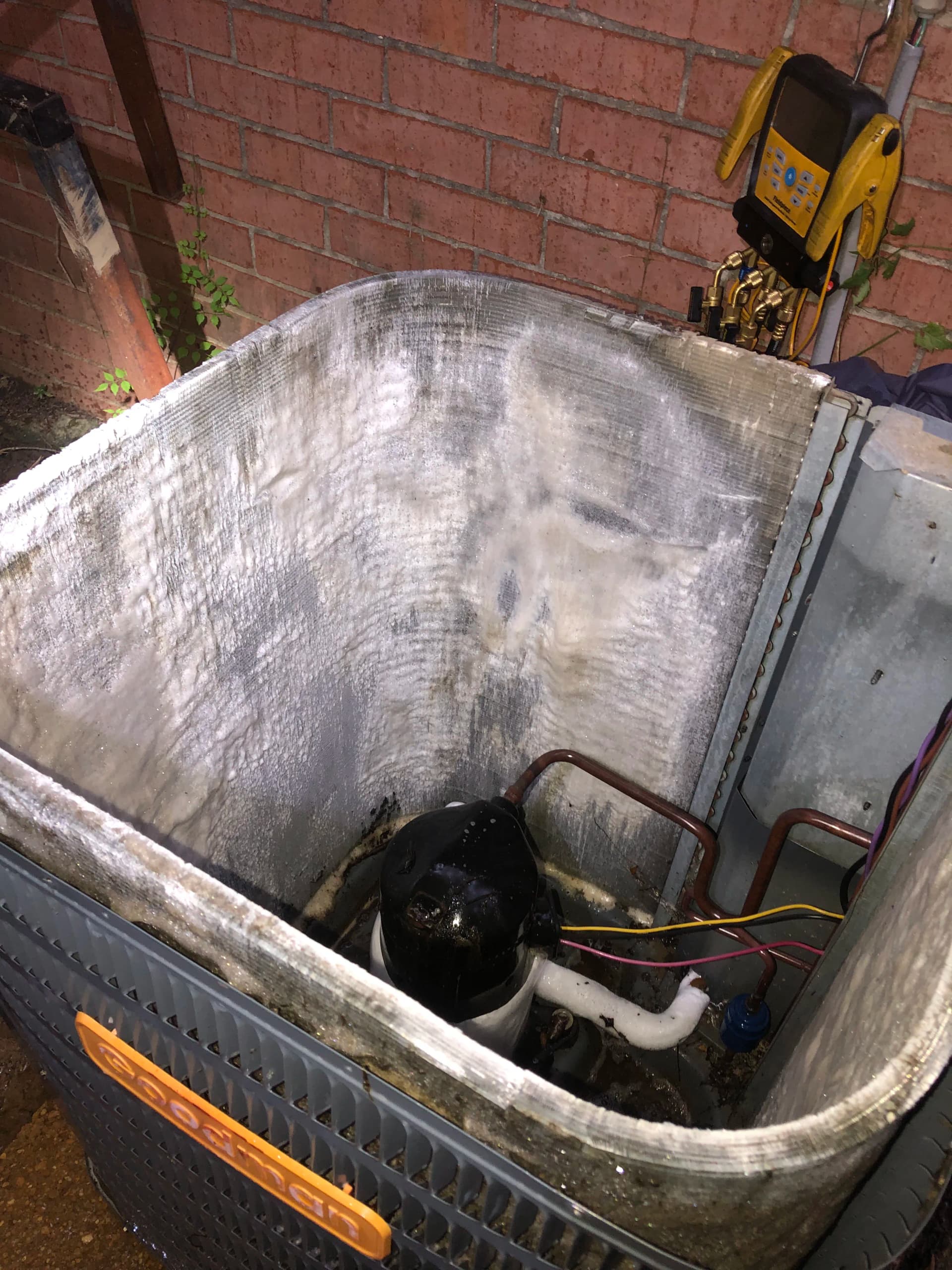
Here's what we were working with on this one. The condenser coils were caked with buildup, which forces the system to work harder just to reject heat. On top of that, the refrigerant was low - which is exactly what causes those lines to freeze over. When refrigerant is short, the pressure drops, temperatures plunge in the wrong places, and moisture in the air turns to ice right on the copper lines. The system basically chokes itself out.
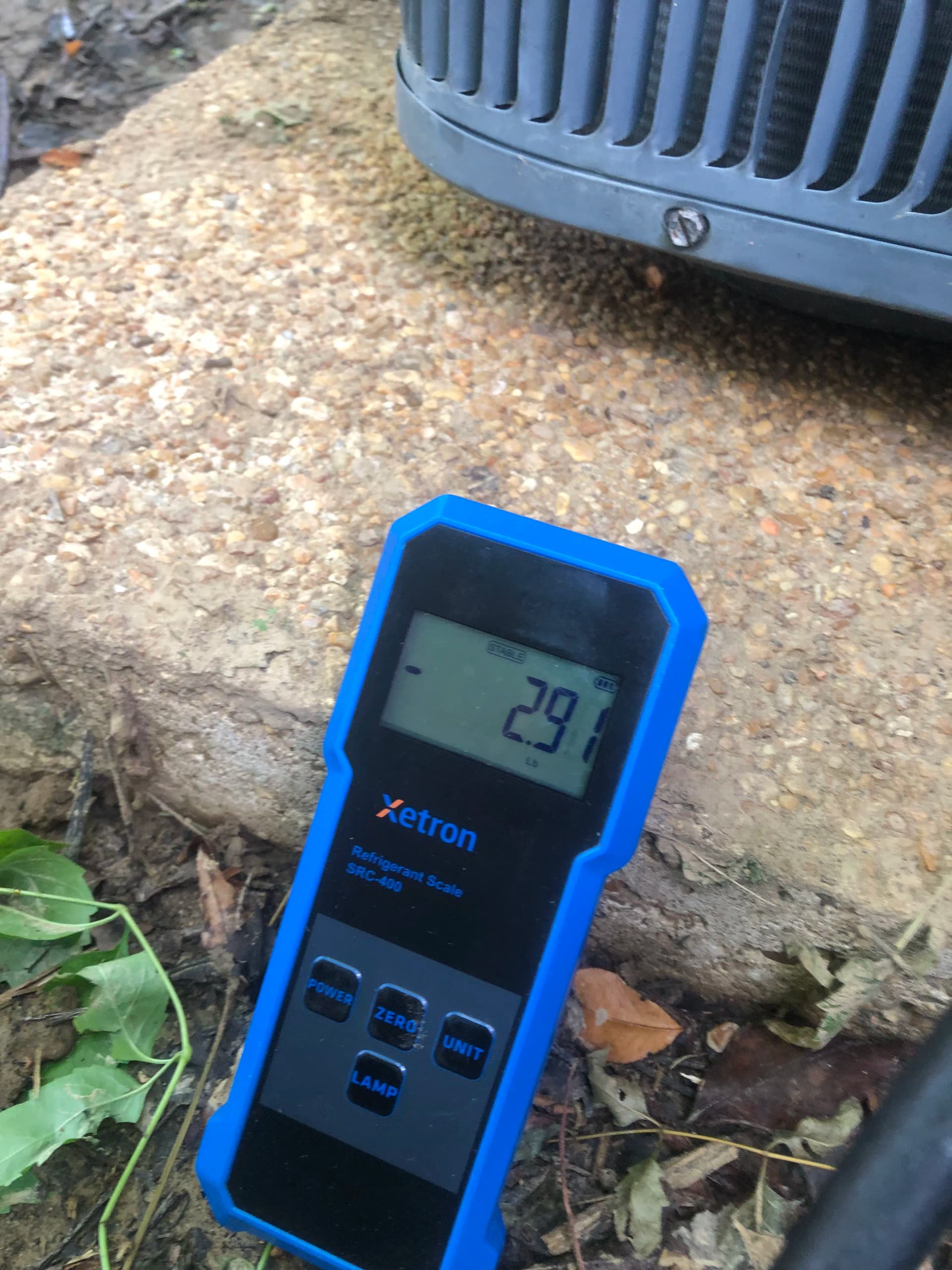
We pulled the top off the unit, got the coils cleaned out properly, and used our Fieldpiece manifold gauge to pull accurate system readings on the R438A refrigerant. The Xetron refrigerant scale lets us charge by weight so we're not guessing - we know exactly how much went in. That matters. Overcharging is just as bad as undercharging, and sloppy refrigerant work can damage a compressor fast.
Once the coil was clean and the refrigerant was back where it needed to be, the system could actually breathe again. Heat transfer improved, pressures came up to where they should sit, and the freeze-up cleared. This is the kind of AC repair that gets your system back to running efficiently instead of just limping along.
Most systems don't fail all at once. They degrade gradually - a little dirt here, a slow refrigerant leak there - until one day it just stops keeping up. Catching these issues with a proper no-cooling diagnostic instead of waiting for a full breakdown saves a lot of money and a lot of sweating.