High Voltage HVAC Wire Repair Done the Right Way
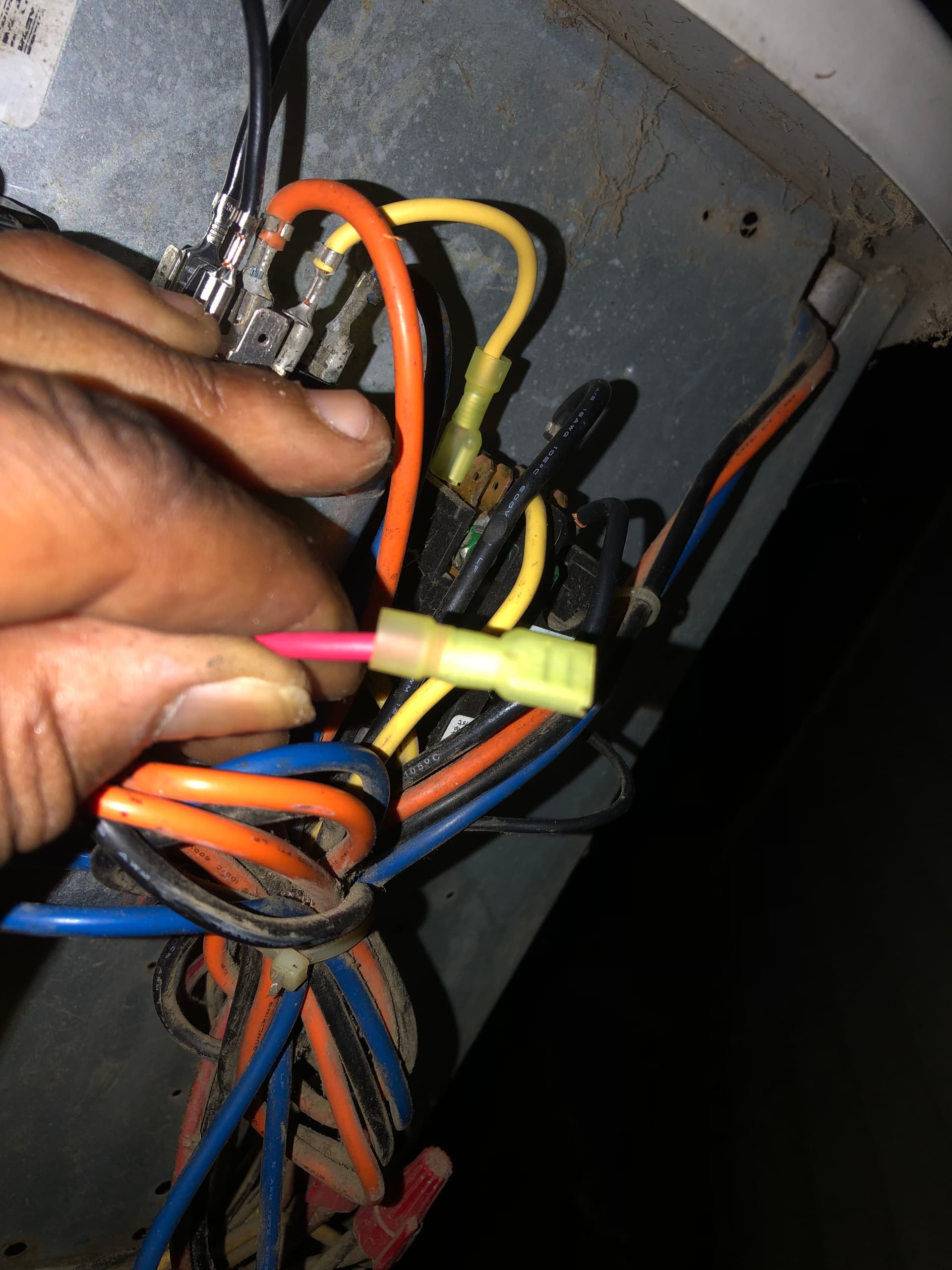
Bad wiring inside an HVAC system is one of those problems that sneaks up on you. The system might run fine for a while, then start acting up - short cycling, not cooling properly, or just shutting off for no obvious reason. Most homeowners assume it's the refrigerant or the compressor. A lot of times, it comes back to the wiring.
When we get into these units and start tracing the electrical, we know exactly what to look for. Damaged insulation, loose connections, corroded terminals - any of those can cause a system to behave unpredictably. And with high voltage involved, "unpredictable" isn't something you want to leave alone. That's where our HVAC system diagnostics comes in. We don't just replace the part that looks bad and call it a day. We check the whole picture.
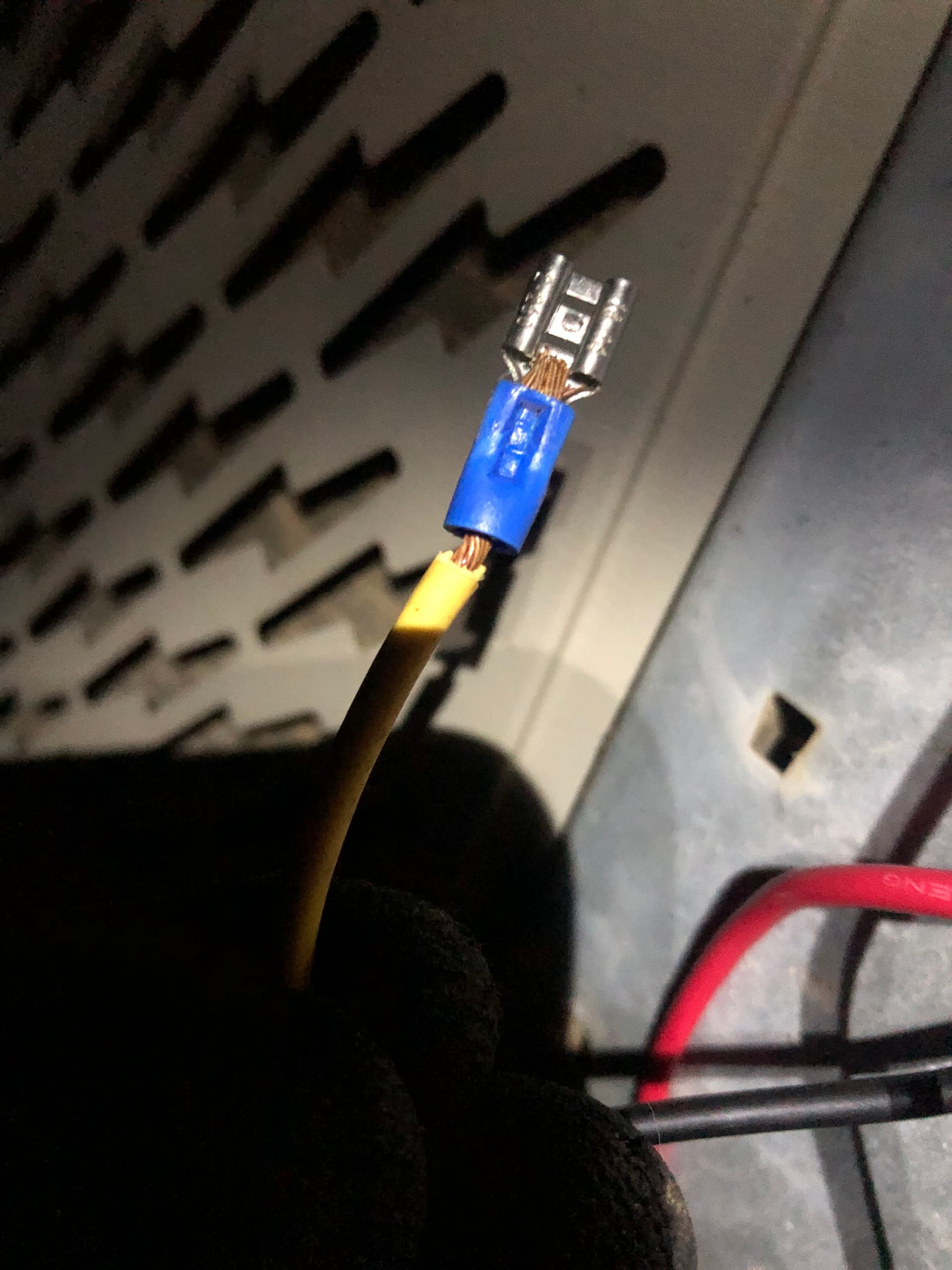
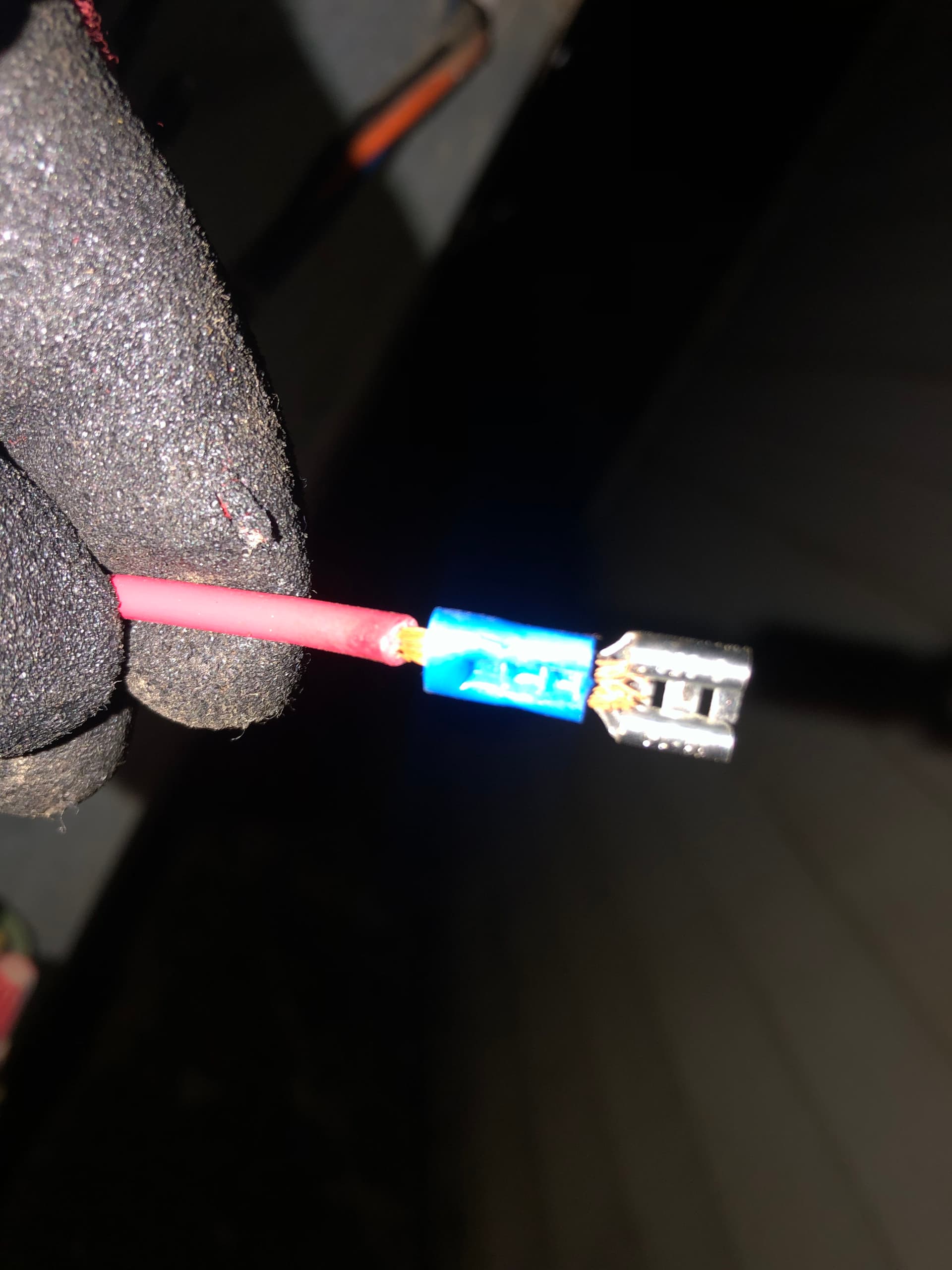
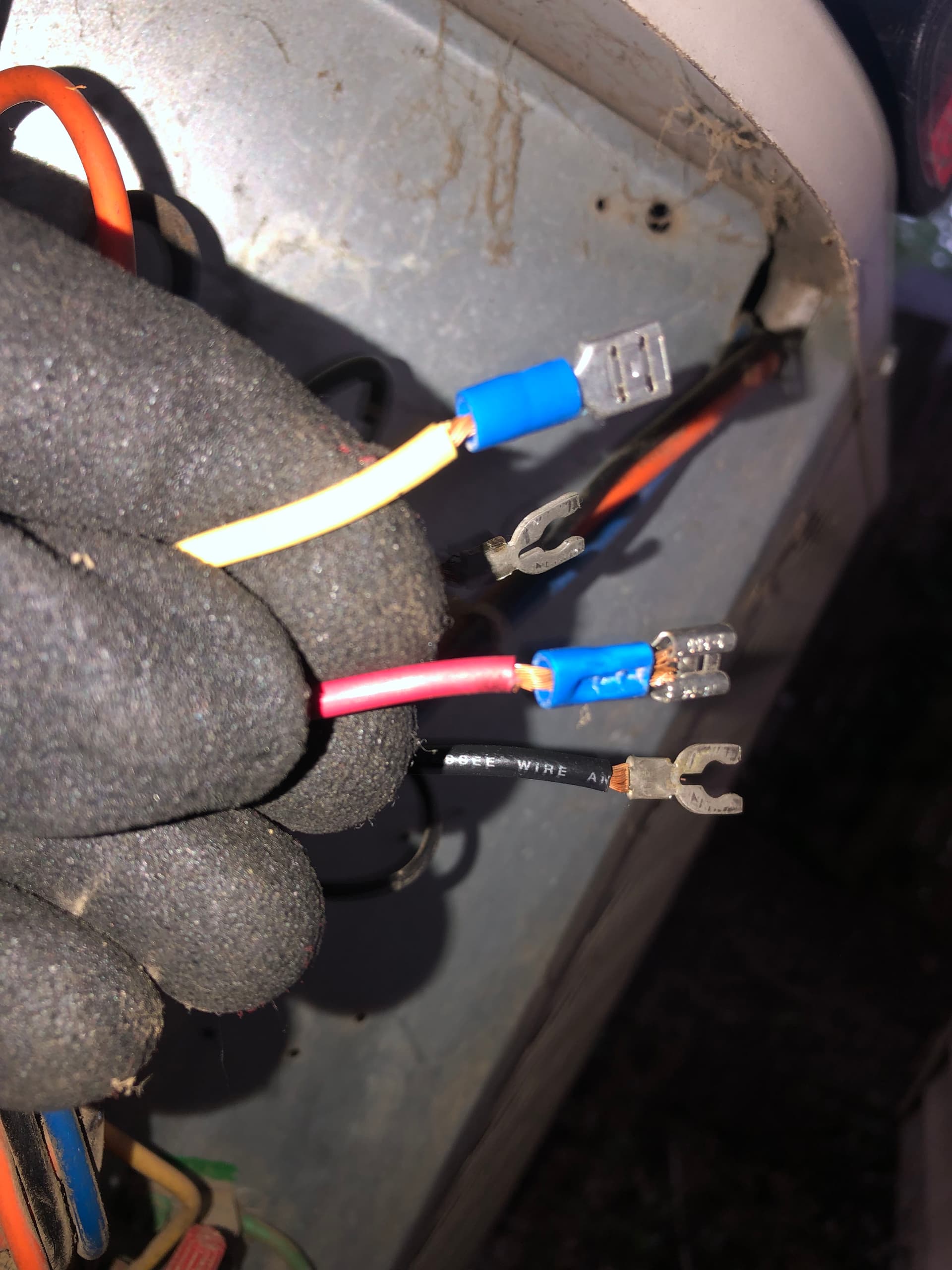
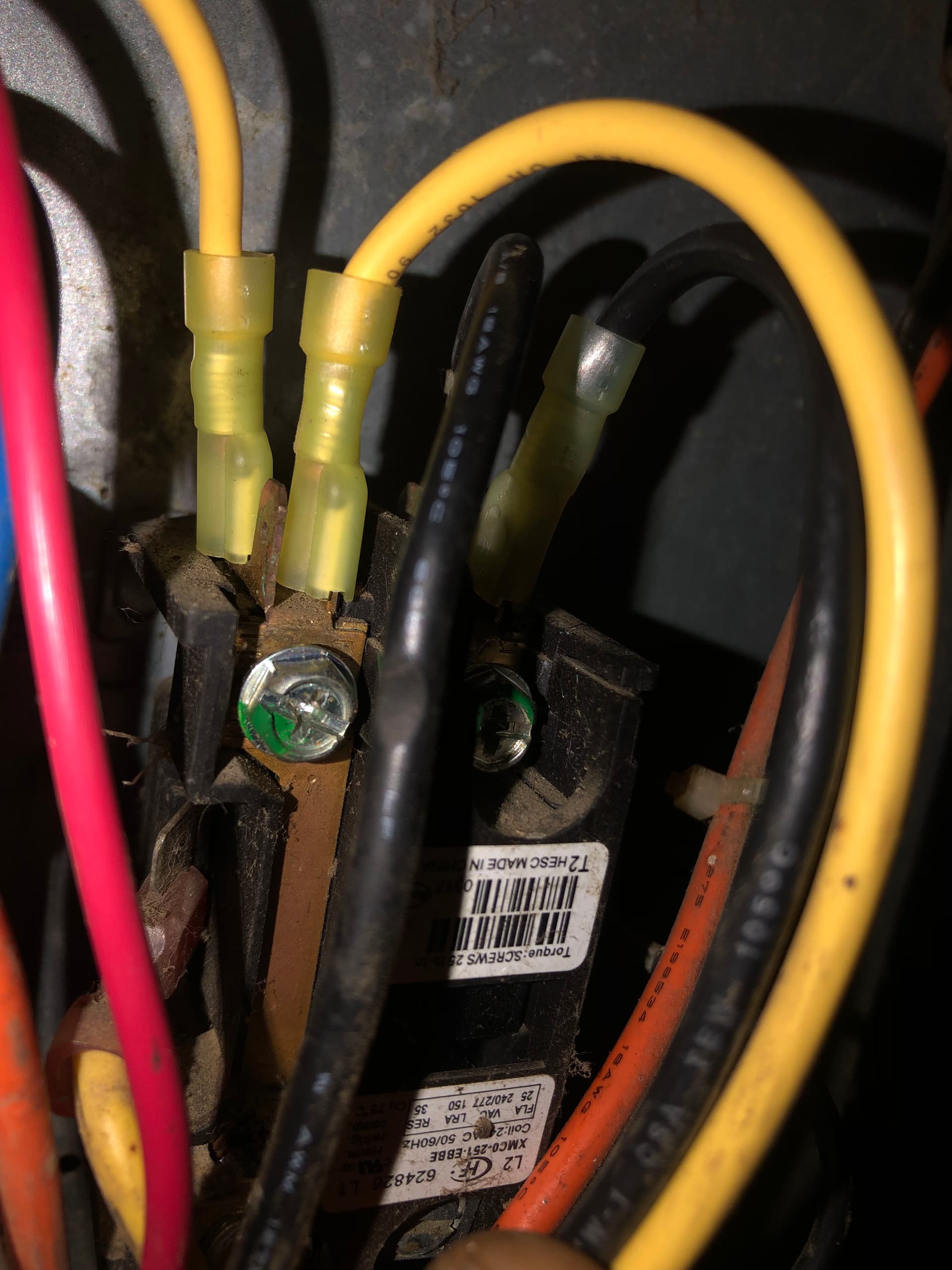
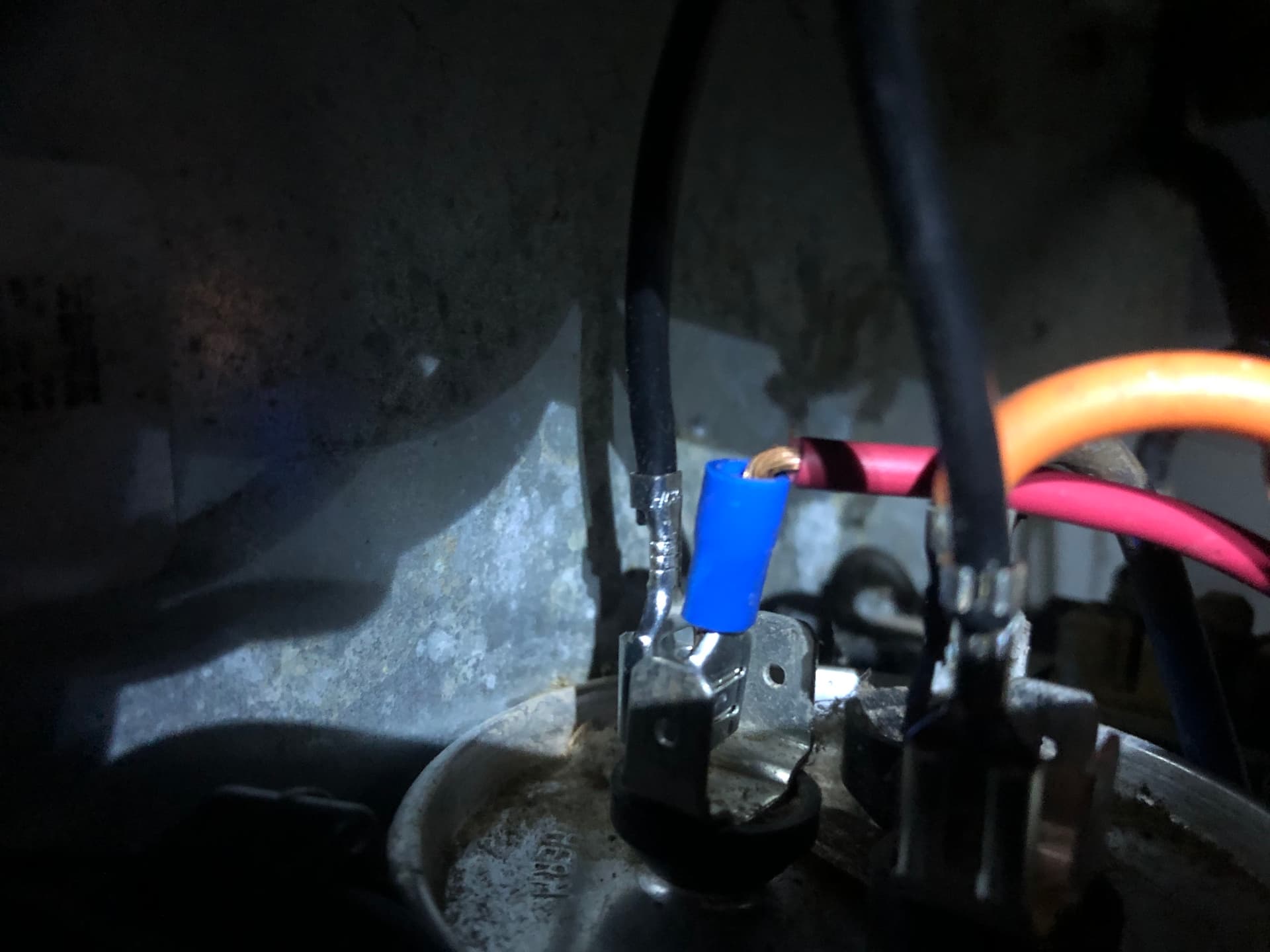
The repair itself has to be done carefully. We use properly rated connectors and terminals matched to the wire gauge - blue butt connectors on the right wires, spade terminals seated fully, connections that are solid and won't work themselves loose over time. It's not glamorous work, but it matters. A sloppy connection in a high voltage environment can cause arcing, overheating, or a full system failure down the road.
Once everything is repaired and reconnected, the system can actually do its job again. That's the goal - get it running reliably, the right way, so you're not dealing with the same issue two weeks later. If your system has been acting up and you can't figure out why, it's worth having someone come take a look at the electrical side of things. Sometimes that's exactly where the answer is.