What a Full HVAC System Inspection Actually Looks Like
Most homeowners have no idea what's going on inside their HVAC system until something breaks. By then, a small issue has turned into an expensive repair - or worse, a full system failure on the hottest day of the year. A thorough inspection is how we catch those problems early.
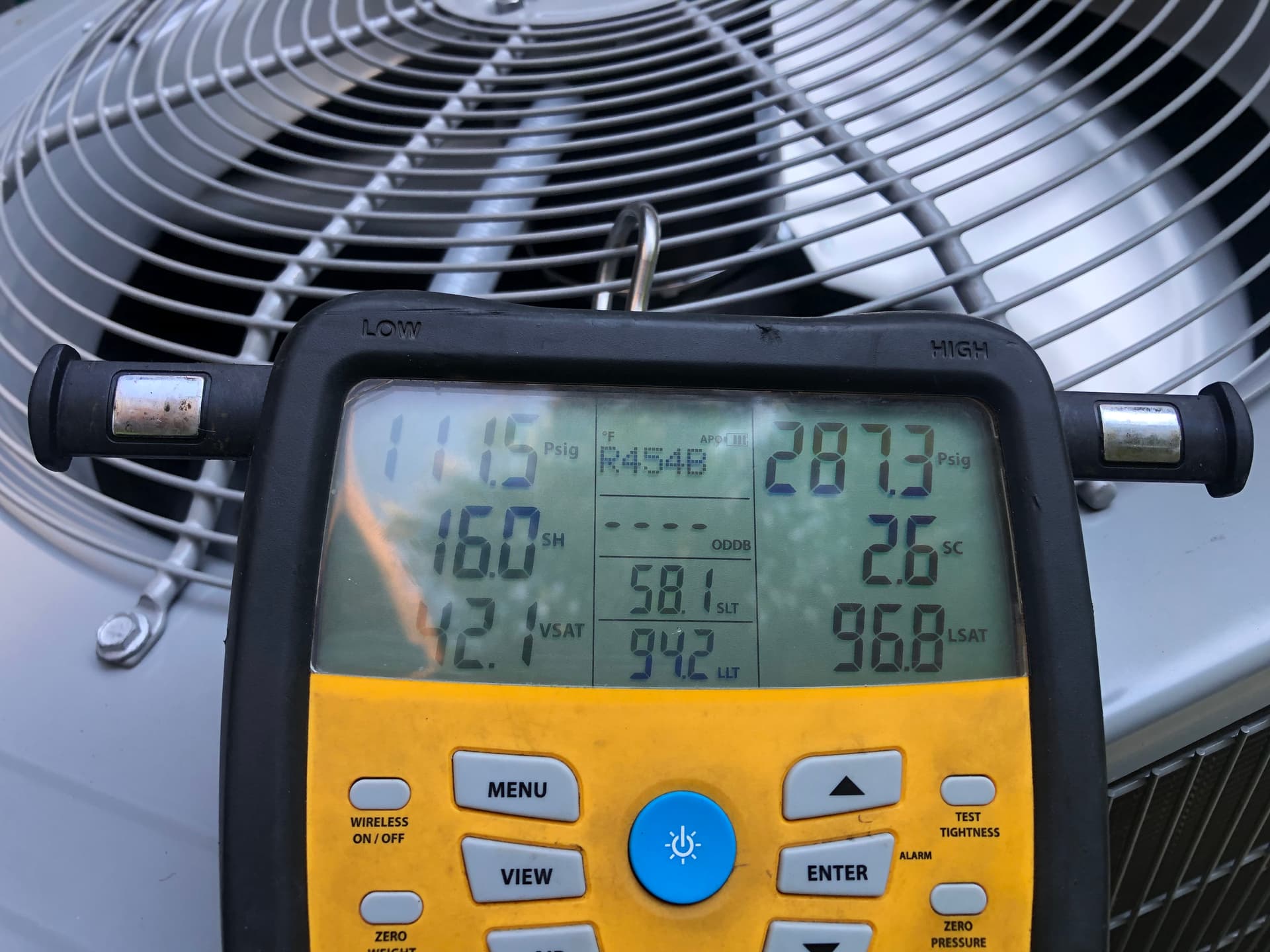
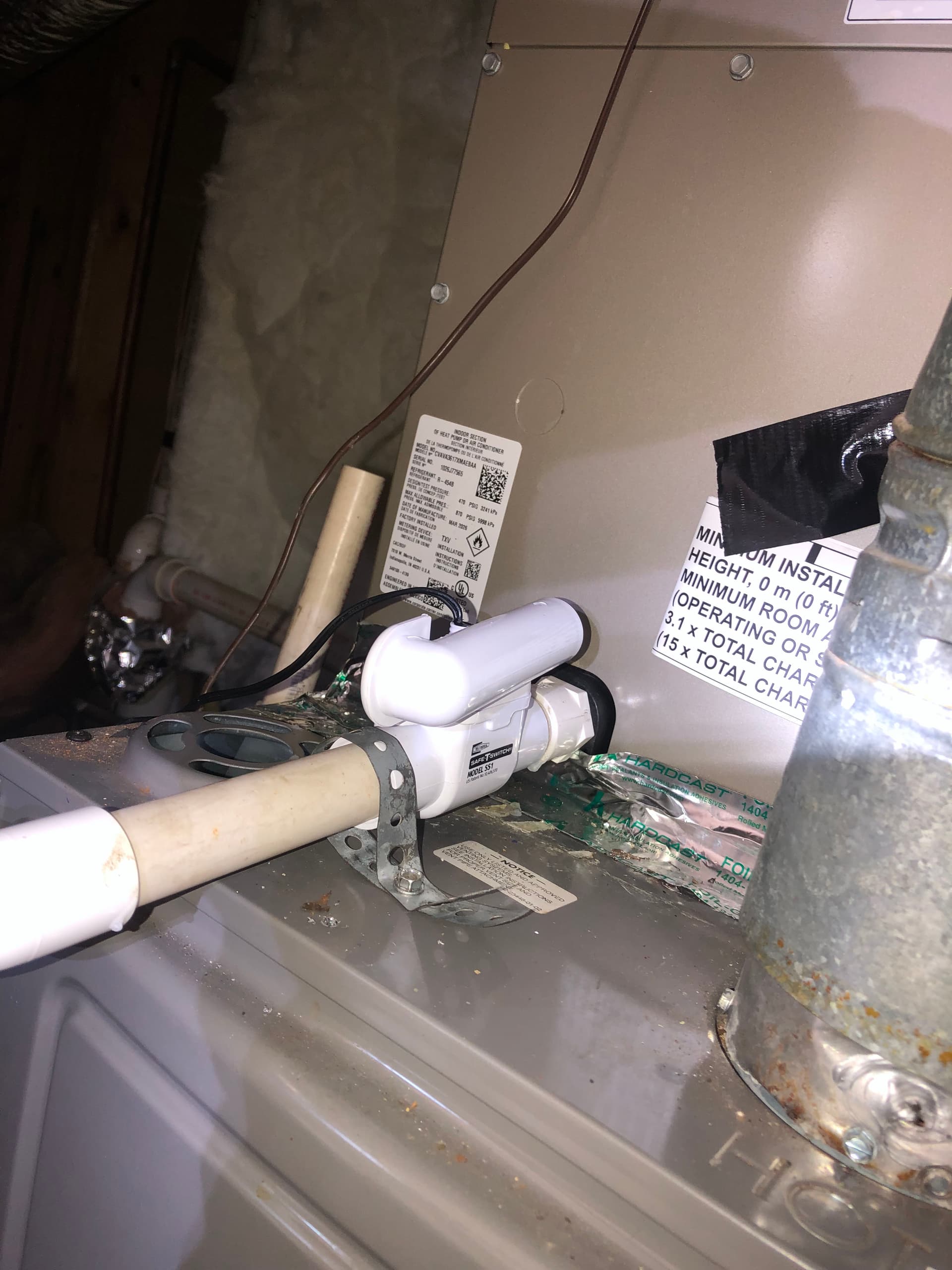
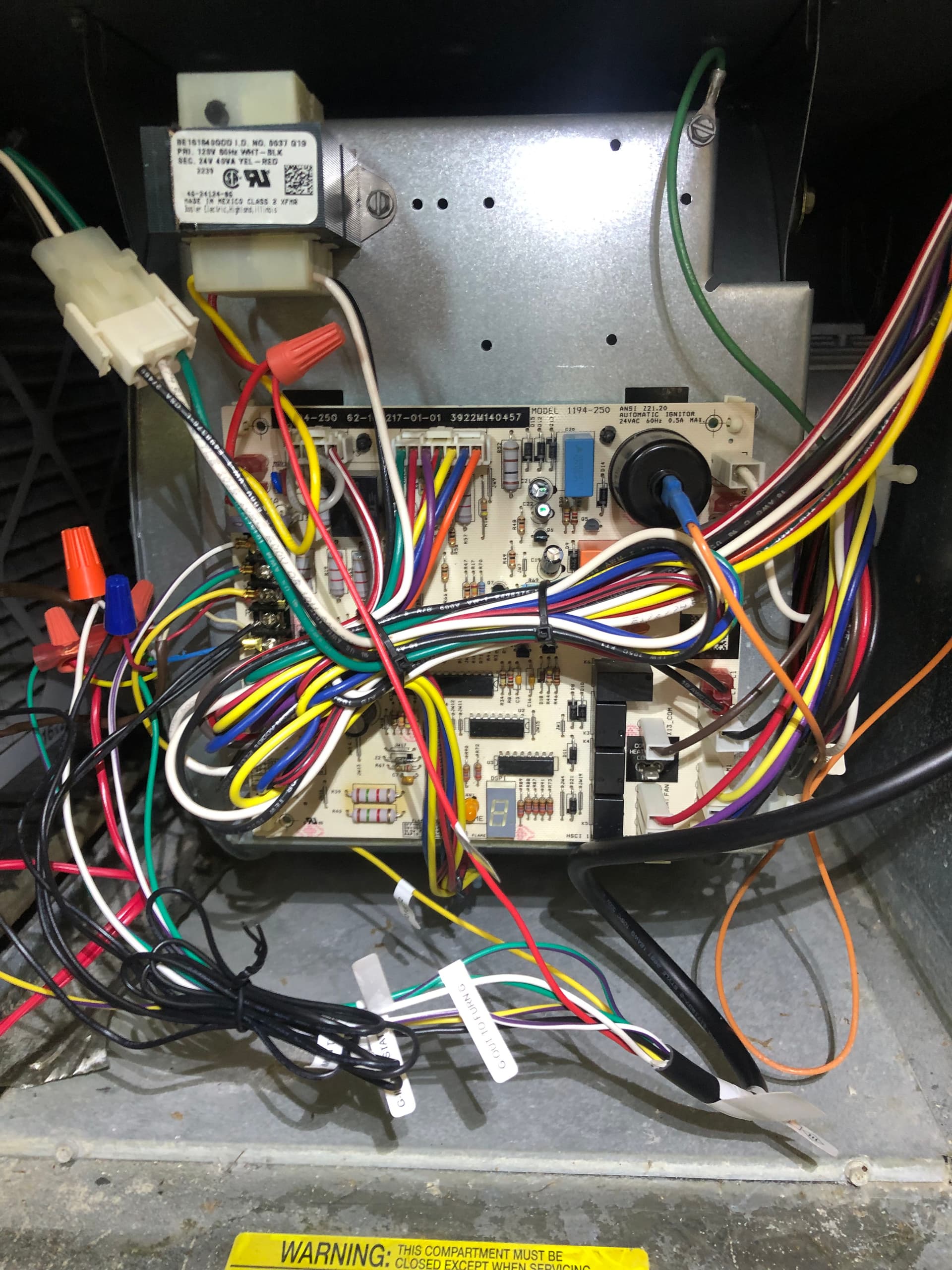
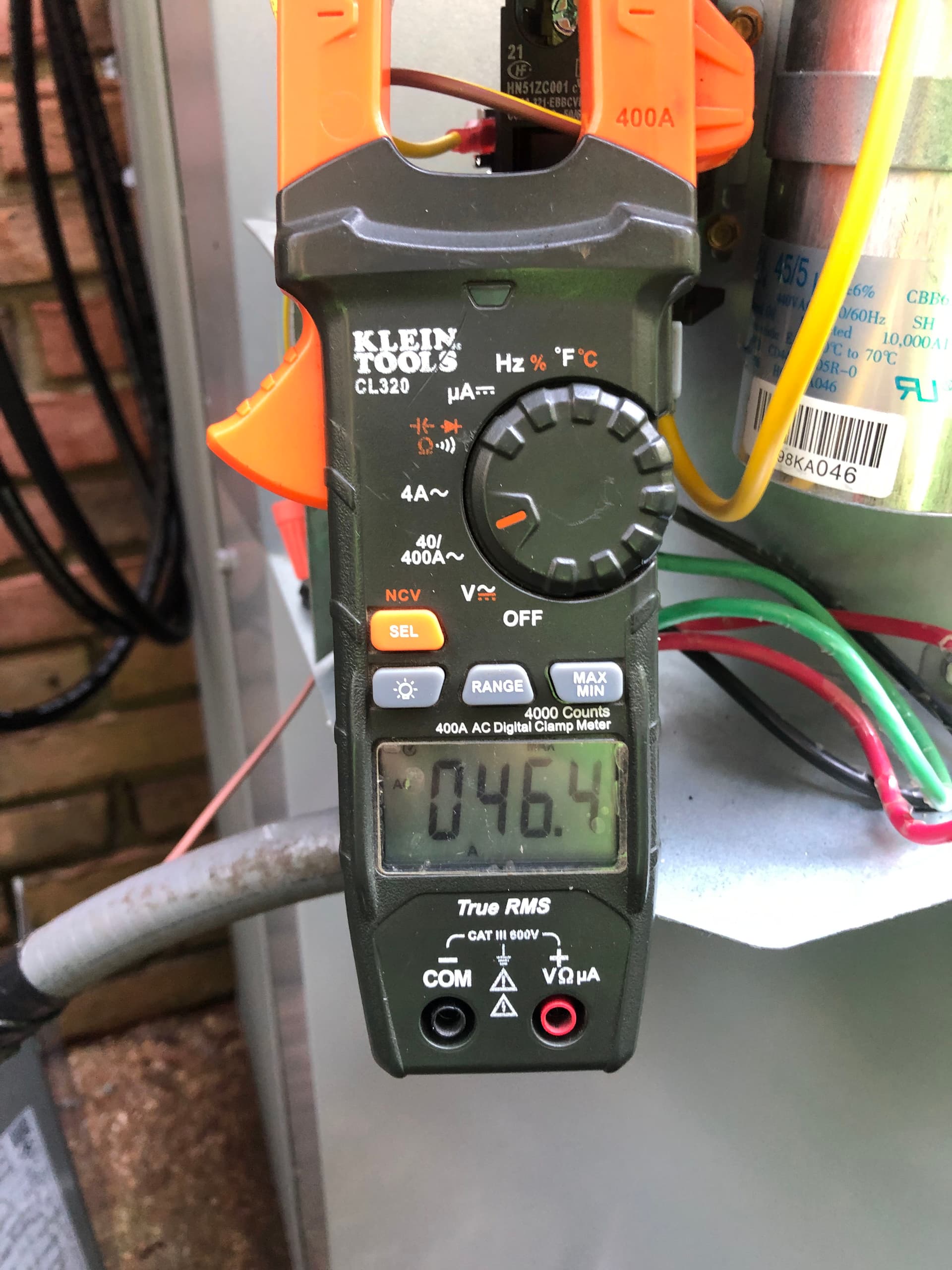
When we do a full system diagnostic, we're checking everything. Refrigerant pressures and temperatures on the outdoor unit, amp draws at the electrical components, the control board and wiring, the contactor, the capacitor, and even the condensate drain line safety switch. Nothing gets skipped. Every reading tells us something about how the system is performing.
The refrigerant side is one of the most telling parts of the inspection. We use a digital manifold gauge set to pull live pressure and temperature readings on the refrigerant circuit. Those numbers show us whether the system is charged correctly, whether there's a restriction somewhere, and whether the unit is actually moving heat the way it should be. Off readings here can point to a slow leak, a failing component, or an airflow problem - things you'd never notice just by walking past the thermostat.
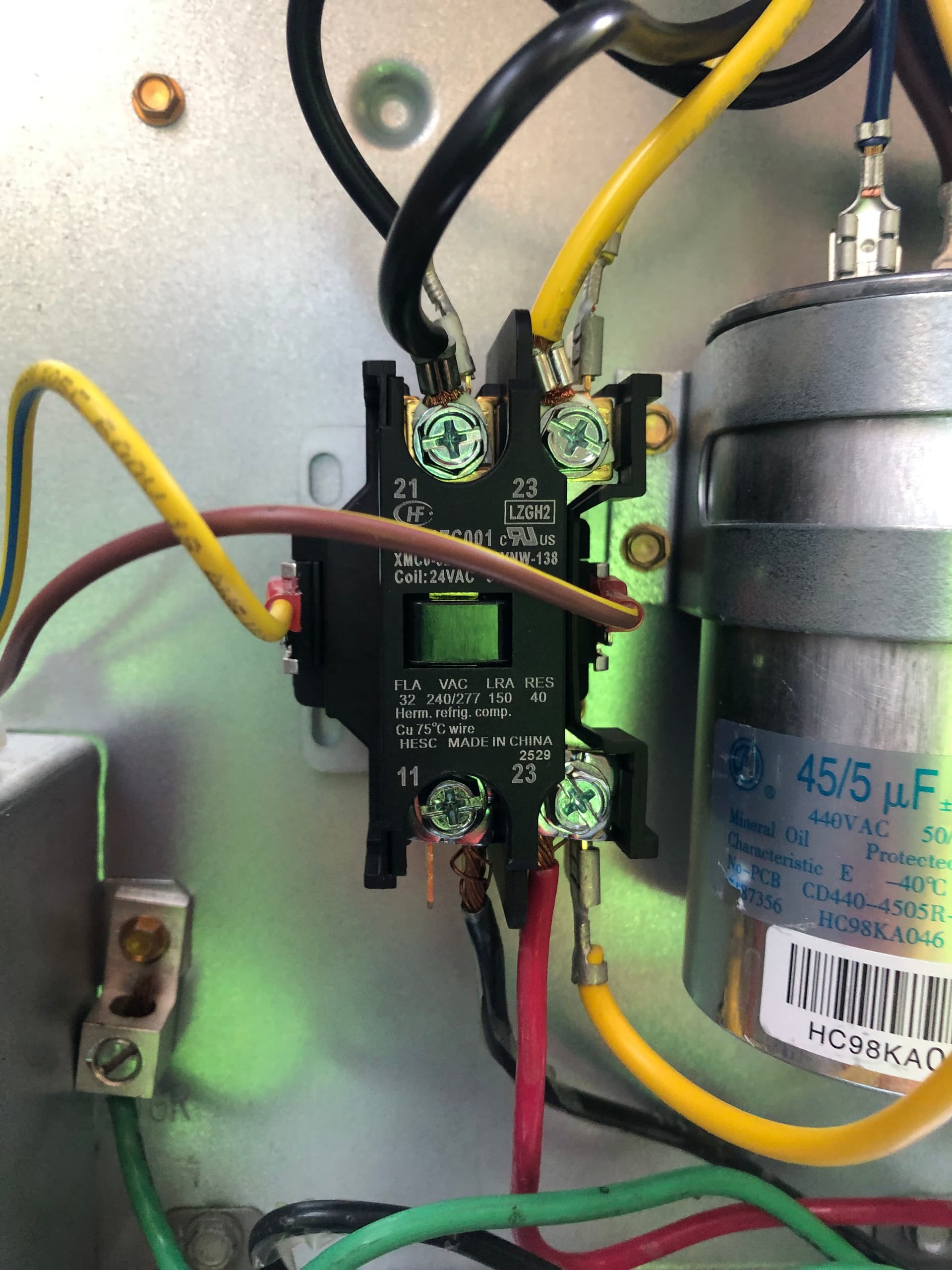
On the electrical side, we're pulling amp draws with a clamp meter on the compressor and fan motor circuits, and visually inspecting the contactor and capacitor for wear or burn marks. The control board also gets a close look - it's the brain of the system, and problems there can cause all kinds of erratic behavior that looks like something else entirely. We also check the float switch on the drain line, which is a small safety device that shuts the system down if the drain starts to back up. It's a simple component that prevents a lot of water damage.
This is the kind of thorough, systematic approach that separates a real diagnostic from a quick glance-and-guess. When we leave, you know exactly what condition your system is in - not just whether it's blowing cold air right now, but whether it's going to keep doing that when you need it most.