Worn Contactor Relay Replaced to Get the AC Running Again
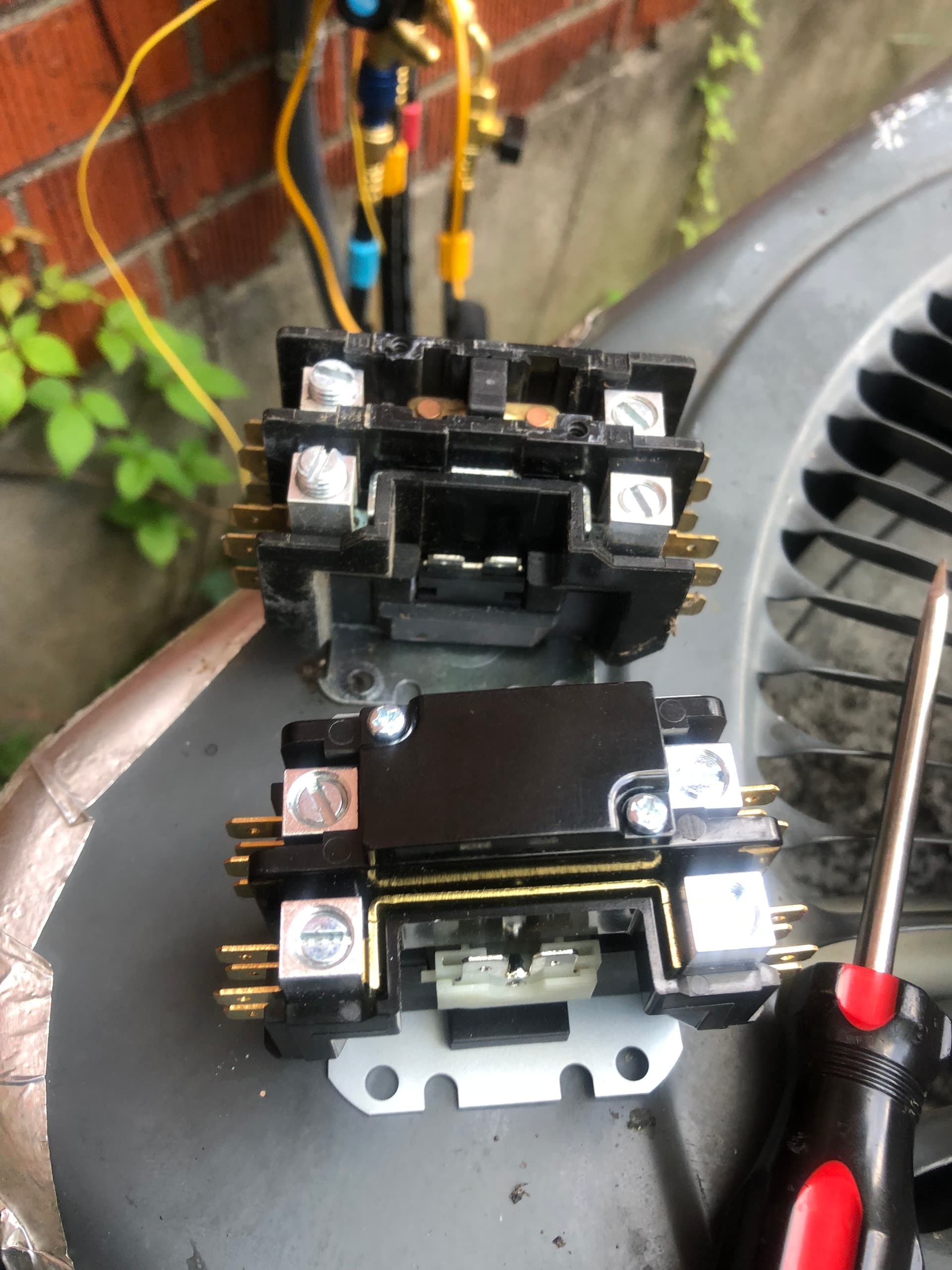
A contactor relay is one of those parts most homeowners never think about - until the AC stops working. It's basically the switch that tells your outdoor unit to kick on when the thermostat calls for cooling. When the contacts wear down or get pitted, the system can't complete the circuit. You get clicking sounds, a unit that struggles to start, or nothing at all.
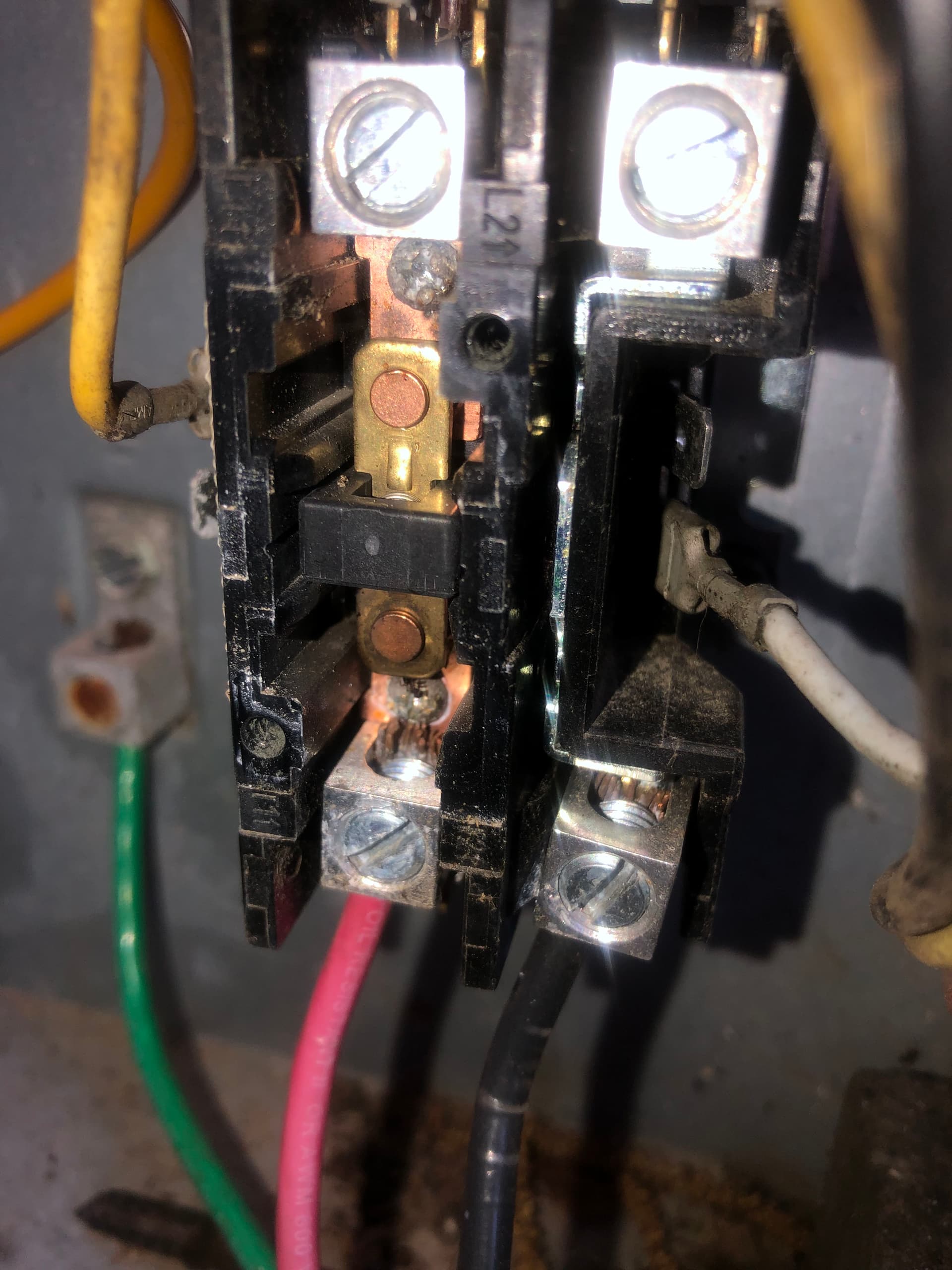
That's exactly what we were dealing with here. The old contactor had clearly seen better days - the contacts were heavily worn and corroded, which is a textbook sign it had been working overtime for too long. A part like this doesn't fix itself, and the longer it stays in that condition, the more strain it puts on other components in the system.
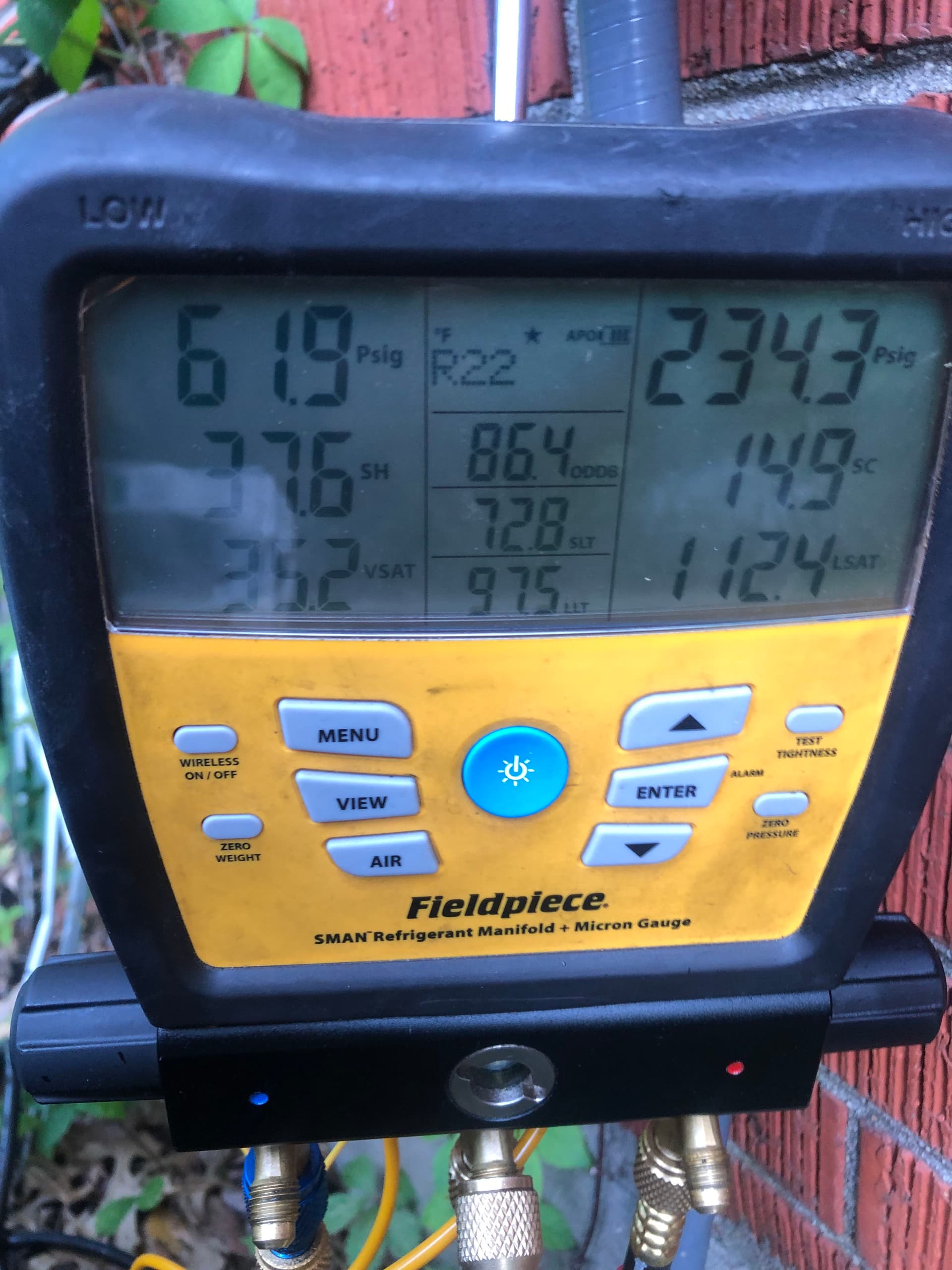
We swapped it out with a fresh contactor and then got to work on a full system performance check. We hooked up our Fieldpiece SMAN refrigerant manifold to pull live pressure readings on the refrigerant circuit. This tool gives us a real-time snapshot of how the system is performing - suction pressure, head pressure, superheat, subcooling - everything we need to know that the system is actually doing its job correctly, not just running.
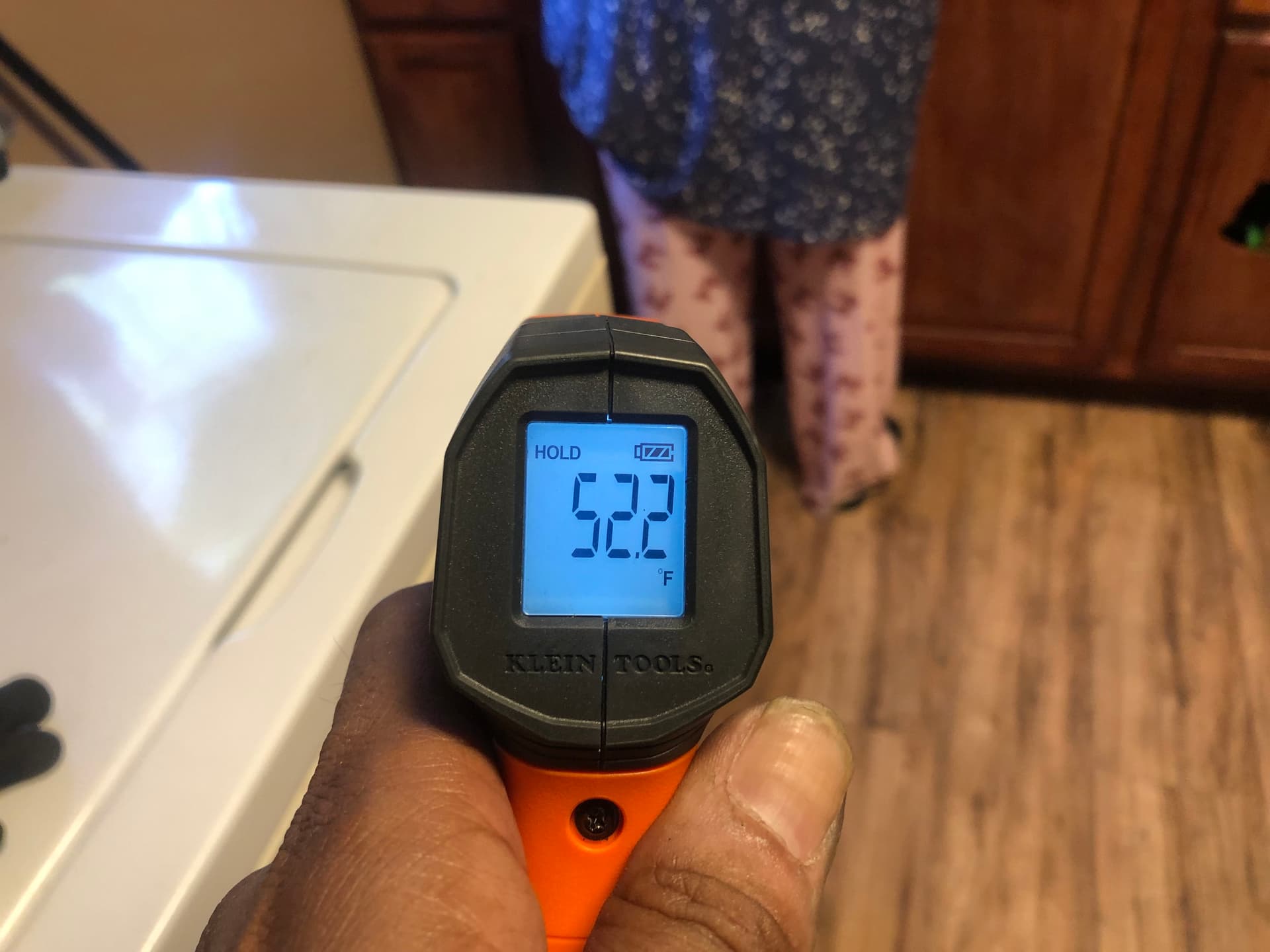
After the repair, we verified airflow performance at the supply vent and confirmed the system was putting out cold air right where it needed to be. That's what a proper AC diagnostic looks like - not just fixing the part that failed, but making sure the whole system is healthy before we close things up. That's how we approach every call, whether it's a no-cooling diagnostic, a full air conditioner maintenance visit, or an HVAC system diagnostic.
If your AC is clicking, short-cycling, or just not keeping up like it used to, a worn contactor is one of the first things worth checking. These parts are relatively inexpensive to replace - but catching them early before they fail completely can save you from a much bigger headache down the road.